What Actually Causes a Slice
A slice happens when the ball has clockwise sidespin (for a right-handed golfer). That sidespin comes from the clubface being open relative to the swing path at impact. There are two ways this happens: an out-to-in swing path combined with a square face, or a face that is open relative to whatever path you're swinging on.
The key insight is that sidespin is a function of face-to-path relationship, not just face angle alone. That is why draw-bias drivers help: they close the face slightly and shift weight toward the heel, both of which encourage a more closed face at impact. Neither change fixes the swing path, but both reduce the face-to-path gap that produces the sidespin.
What to Look for in a Draw-Bias Driver
Heel-Biased Center of Gravity
When the CG is positioned closer to the heel, the clubface has a tendency to close through impact due to gear effect. This is the primary mechanism behind draw-bias drivers. All of the options below use heel CG as a core design feature.
Closed Face Angle
A driver with a slightly closed face angle (measuring where the face points at address) gives slicers a head start. The Ping G440 SFT and Cleveland Launcher XL Draw both have visibly closed faces. This is different from CG positioning: face angle affects your starting aim line, while CG affects the sidespin.
High MOI
Slicers often also miss the sweet spot. A high Moment of Inertia (MOI) driver resists twisting on off-center hits, reducing the additional slice spin that typically comes from a heel or toe strike. Maximum forgiveness and draw bias are complementary features, not competing ones.
Adjustability
Drivers with adjustable hosels and weight cartridges let you fine-tune the draw bias to your swing. As your swing improves and you naturally draw the ball more, you can gradually move the weighting toward neutral. This extends the life of the driver considerably.
Which Driver Fits Your Slice?
Not every slice is the same. A severe slicer and an occasional fader need different equipment. Here is the fastest way to find your pick before reading the full reviews below.
Severe slicer
Ball curves 20+ yards right on most drives
→ Ping G440 SFT
Maximum draw bias and a closed face — the most corrective driver available at any price
Moderate slicer
Ball fades 10–20 yards right consistently
→ Cobra OPTM Max-D or TaylorMade Qi10 Max D
Strong draw bias with adjustability to dial it in as your swing improves
Occasional fader
Ball curves 5–10 yards right, sometimes straight
→ Callaway Elyte
Adjustable weights let you add draw bias without committing to a pure draw driver
On a budget
Want draw correction without a $500 price tag
→ Cobra Aerojet Max (~$180 used) or Cleveland XL Lite Draw (~$100 used)
Heel-biased CG and high forgiveness at a fraction of the current-model price
The Best Drivers for Slicers in 2026
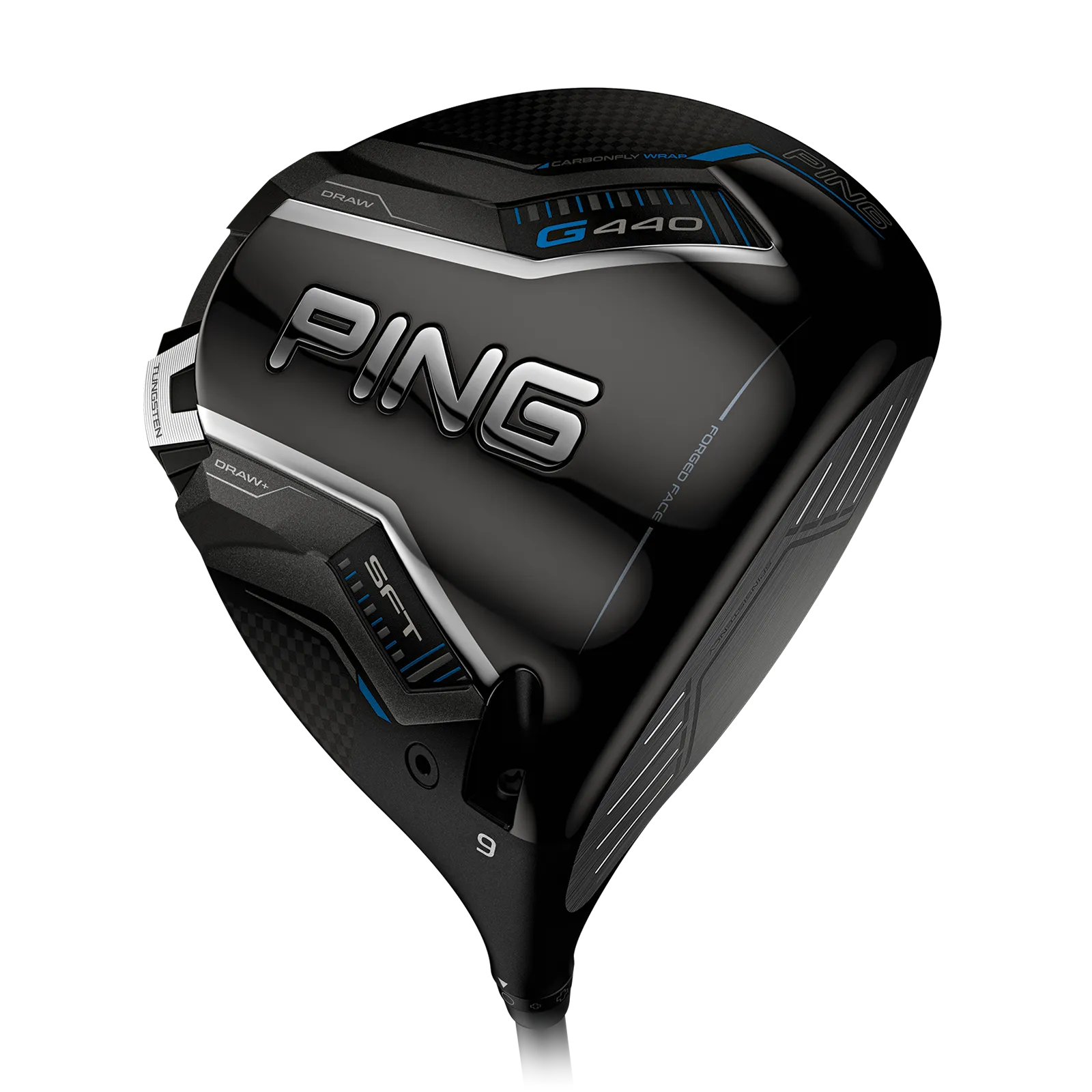
Ping G440 SFT
2024
Best for: Golfers with a consistent slice who want maximum draw bias and forgiveness
Standard Loft
10.5 degrees standard
Face Angle
Closed (draw bias)
Forgiveness
Extremely high
Adjustability
Hosel: +/- 1.5 degrees
SFT stands for Straight Flight Technology, and Ping means it. The G440 SFT moves the center of gravity significantly toward the heel compared to the standard G440, which promotes a right-to-left draw bias without requiring any swing change. The face angle is closed at address, another draw-promoting feature. Combined with Ping's tungsten-toe weighting and high-MOI construction, this is simultaneously the most draw-biased and most forgiving driver you can buy. It will not fix a severe swing-path problem, but it will keep a consistent fader in the fairway more often.
Pros
- +Most draw bias of any driver in its class
- +Closed face angle promotes right-to-left flight at address
- +Extremely high MOI forgives off-center hits
- +Ping quality and durability
Cons
- -Less adjustability than some competitors
- -Can over-correct for golfers with only a slight fade
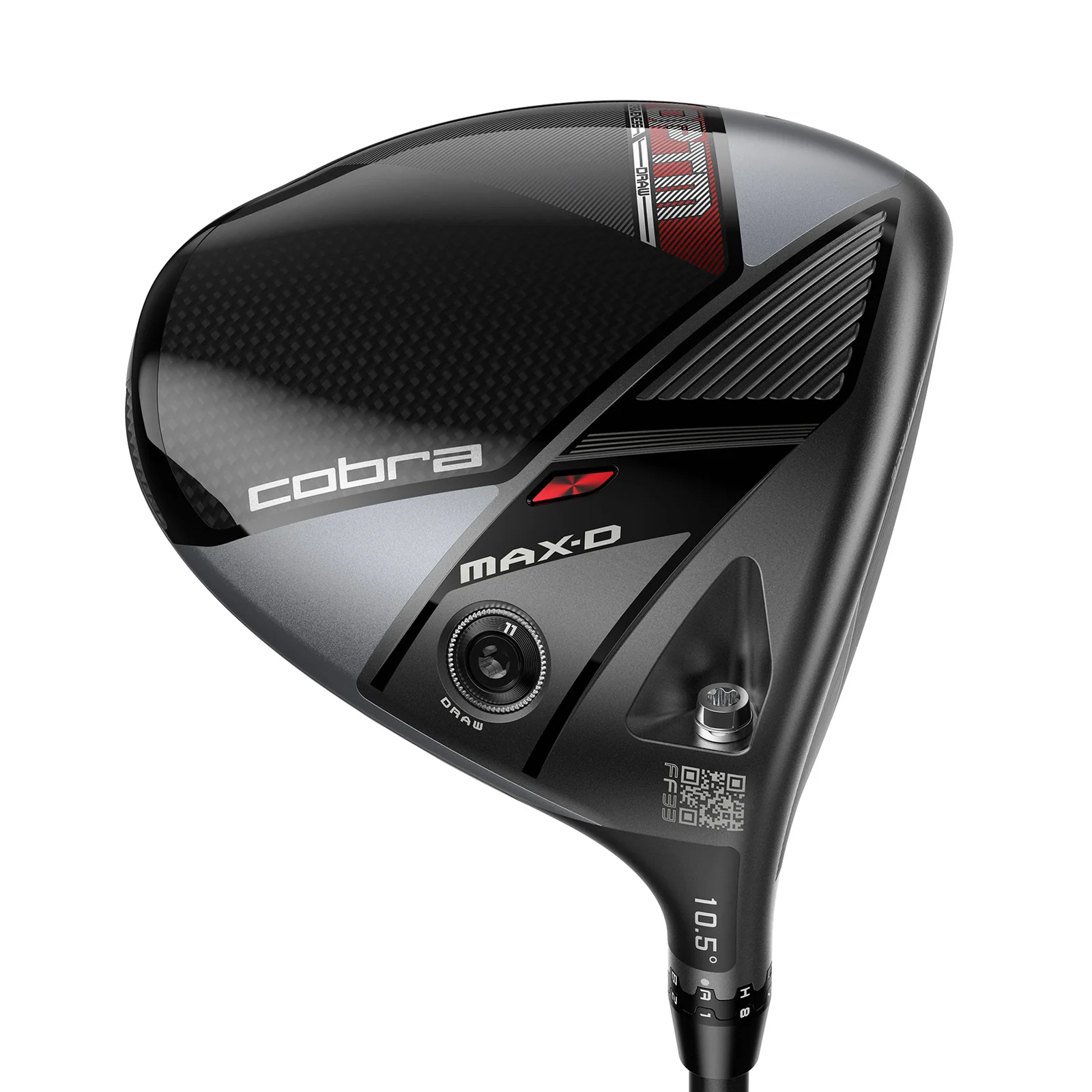
Cobra OPTM Max-D
2026
Best for: Slicers who want the most current draw-bias technology at a competitive price
Standard Loft
9, 10.5, 12 degrees
Face Angle
Closed (draw bias)
Forgiveness
Very high
Adjustability
Adjustable hosel: +/- 2 degrees
The OPTM Max-D is Cobra's dedicated 2026 draw-bias driver — the first purpose-built draw model in the OPTM lineup. Where earlier Cobra draw options were adaptations of a neutral head, the Max-D was designed from the start around slice correction. The closed face angle and heel-biased CG work together to close the face through impact, and the OPTM's carbon chassis keeps MOI high enough to forgive mis-hits. At roughly $499 new, it undercuts the G440 SFT and Qi10 Max D while offering genuinely current technology. If you want the newest draw-bias driver on the market at a competitive price, the OPTM Max-D is the 2026 pick.
Pros
- +Purpose-built draw bias in Cobra's current 2026 lineup
- +Closed face angle and heel CG work together to reduce slice
- +High MOI for a draw-bias model — forgiving on off-center hits
- +Competitive pricing versus Ping and TaylorMade equivalents
Cons
- -Less established than the G440 SFT's multi-year track record
- -Pre-owned availability limited as a new 2026 model
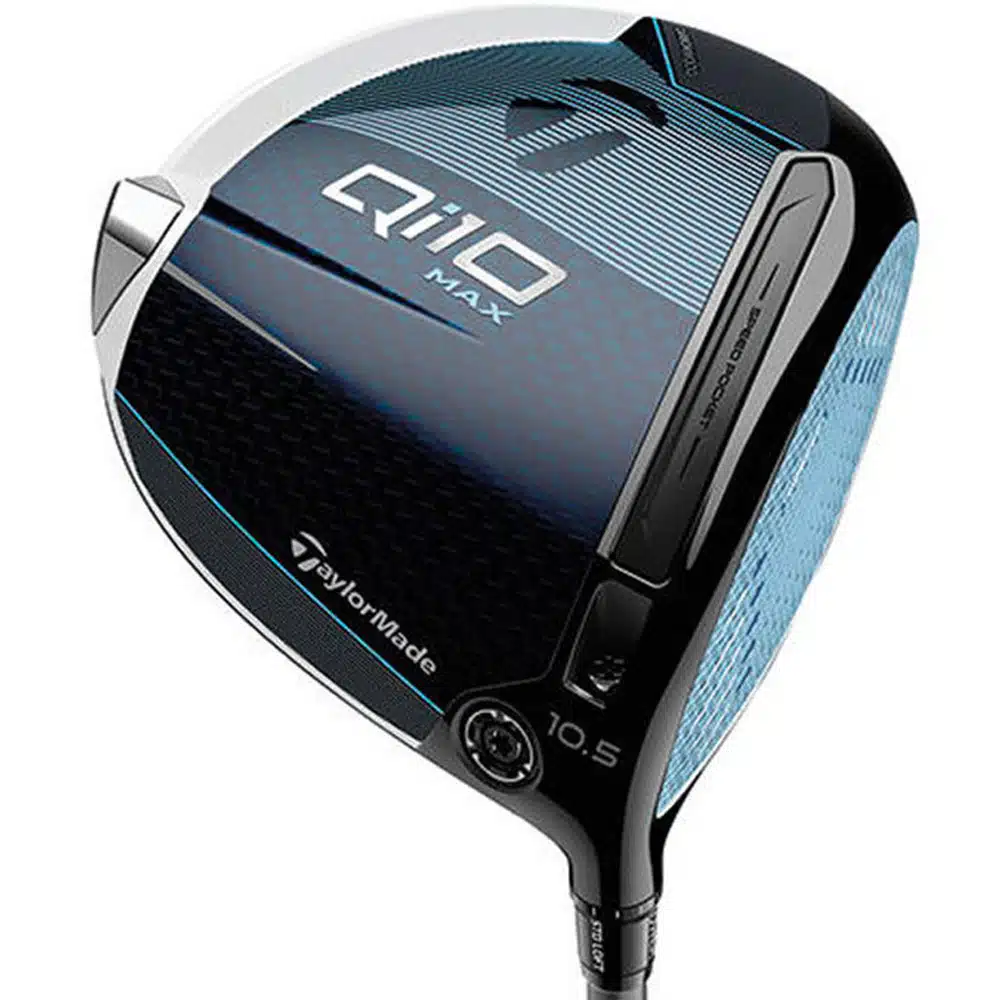
TaylorMade Qi10 Max D
2024
Best for: Slicers who want draw bias without sacrificing distance
Standard Loft
9, 10.5, 12 degrees
Face Angle
Closed
Forgiveness
Very high
Adjustability
Loft sleeve: +/- 2 degrees
The Qi10 Max D is TaylorMade's draw-bias version of their flagship forgiveness driver, and it combines distance with correction in a way few competitors can match. The 60-gram carbon fiber sole shifts weight toward the heel and promotes the right-to-left bias, while TaylorMade's Twist Face technology corrects the ball flight on off-center hits. The result is a driver that is both corrective and genuinely long. If you are losing distance because your slice is sending the ball offline, the Qi10 Max D addresses both problems at once.
Pros
- +Draw-bias construction paired with Twist Face technology
- +Very long for a draw-bias driver
- +Adjustable loft sleeve adds fitting flexibility
- +Deep CG promotes high, straight launch
Cons
- -Expensive at full retail
- -Larger head shape may not suit better players
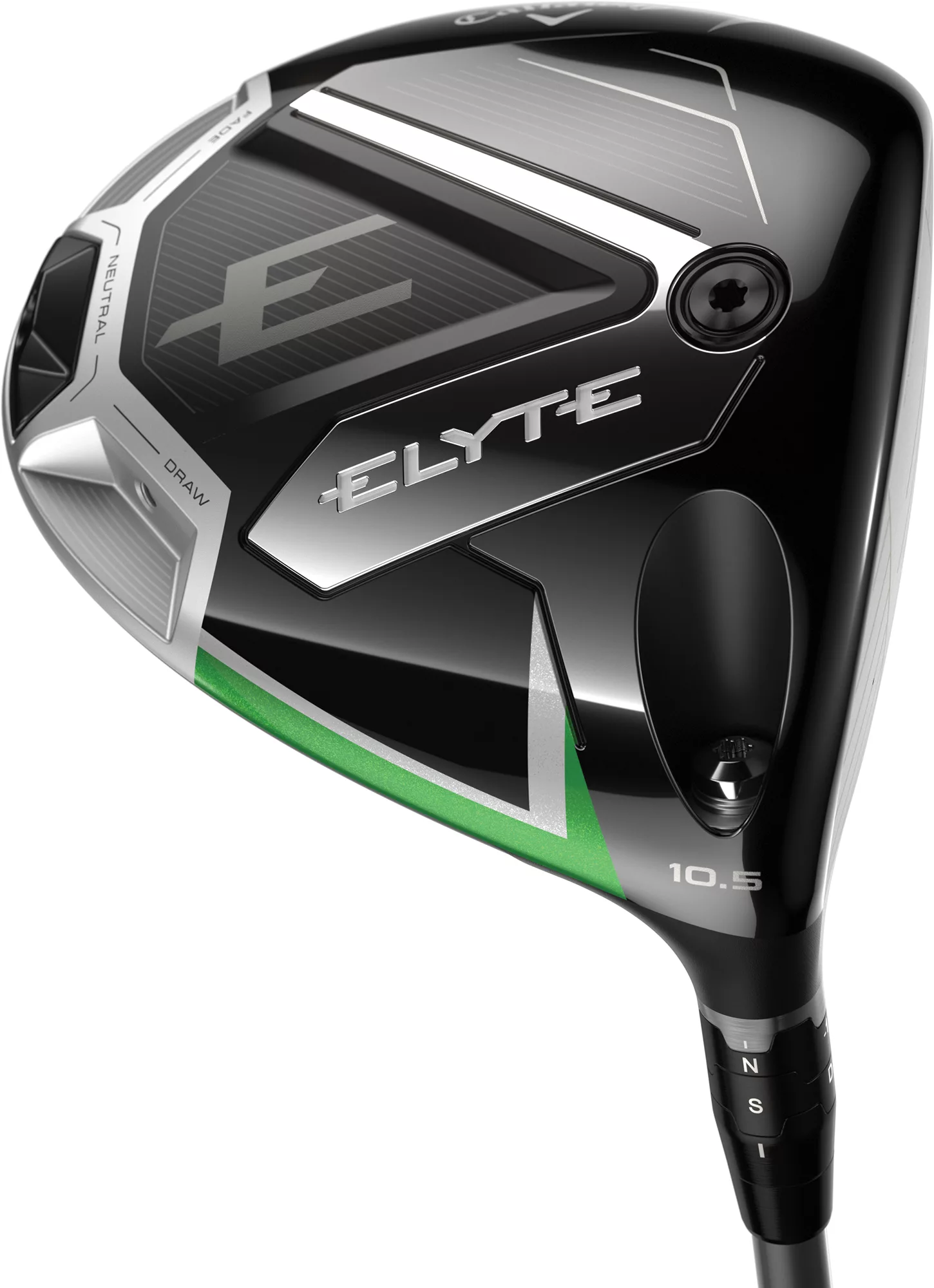
Callaway Elyte
2025
Best for: Callaway loyalists and slicers who want the latest technology
Standard Loft
9, 10.5, 12 degrees
Face Angle
Neutral to slightly closed
Forgiveness
High
Adjustability
OptiFit 4 hosel, adjustable weights
The Elyte is Callaway's 2025 flagship and one of the most technologically advanced drivers they have built. The 360 Carbon Chassis is the most carbon-intensive construction in any Callaway driver, reducing weight and allowing precise CG placement. For slicers, the key is the adjustable weight system: move the draw weight cartridge toward the heel and you get meaningful draw bias. It is more of a fade-correction driver than a full draw-bias model like the G440 SFT, but it offers more adjustability and performance versatility.
Pros
- +Adjustable weight system creates custom draw bias
- +360 Carbon Chassis technology is genuinely advanced
- +Higher ball speed than previous Callaway models
- +OptiFit 4 hosel allows loft and face angle fine-tuning
Cons
- -Less draw bias out of the box than Ping SFT or Qi10 Max D
- -Premium price, limited pre-owned availability in 2026
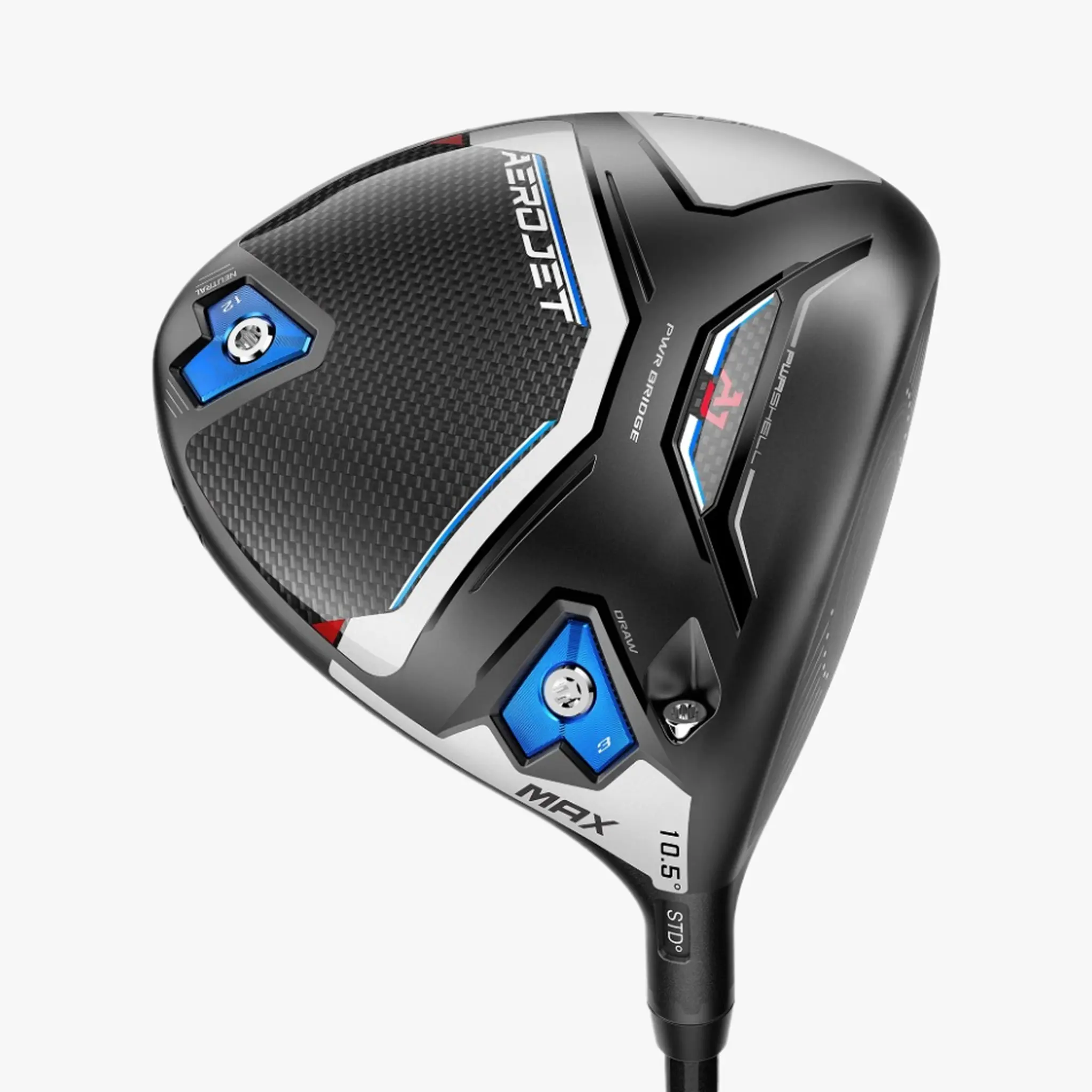
Cobra Aerojet Max
2023
Best for: Golfers with a moderate fade who want an excellent value option
Standard Loft
9, 10.5, 12 degrees
Face Angle
Slightly closed
Forgiveness
Very high
Adjustability
MyFly 8 hosel, adjustable back weight
The Aerojet Max isn't a dedicated draw-bias model, but its heel-biased CG and closed face angle promote a straighter to right-to-left ball flight for faders. At $180-$300 pre-owned, it offers outstanding performance per dollar. The MyFly 8 hosel provides 8 loft options and the adjustable back weight adds flight-shaping flexibility. For a golfer with a moderate fade who doesn't want to spend $500 on a driver, the Aerojet Max is one of the best value plays in 2026.
Pros
- +Excellent value, especially pre-owned
- +MyFly 8 hosel gives extensive loft options
- +Adjustable back weight shapes ball flight
- +Very forgiving for off-center hits
Cons
- -Not as corrective as the G440 SFT for severe slicers
- -2023 model, one generation behind current lineup
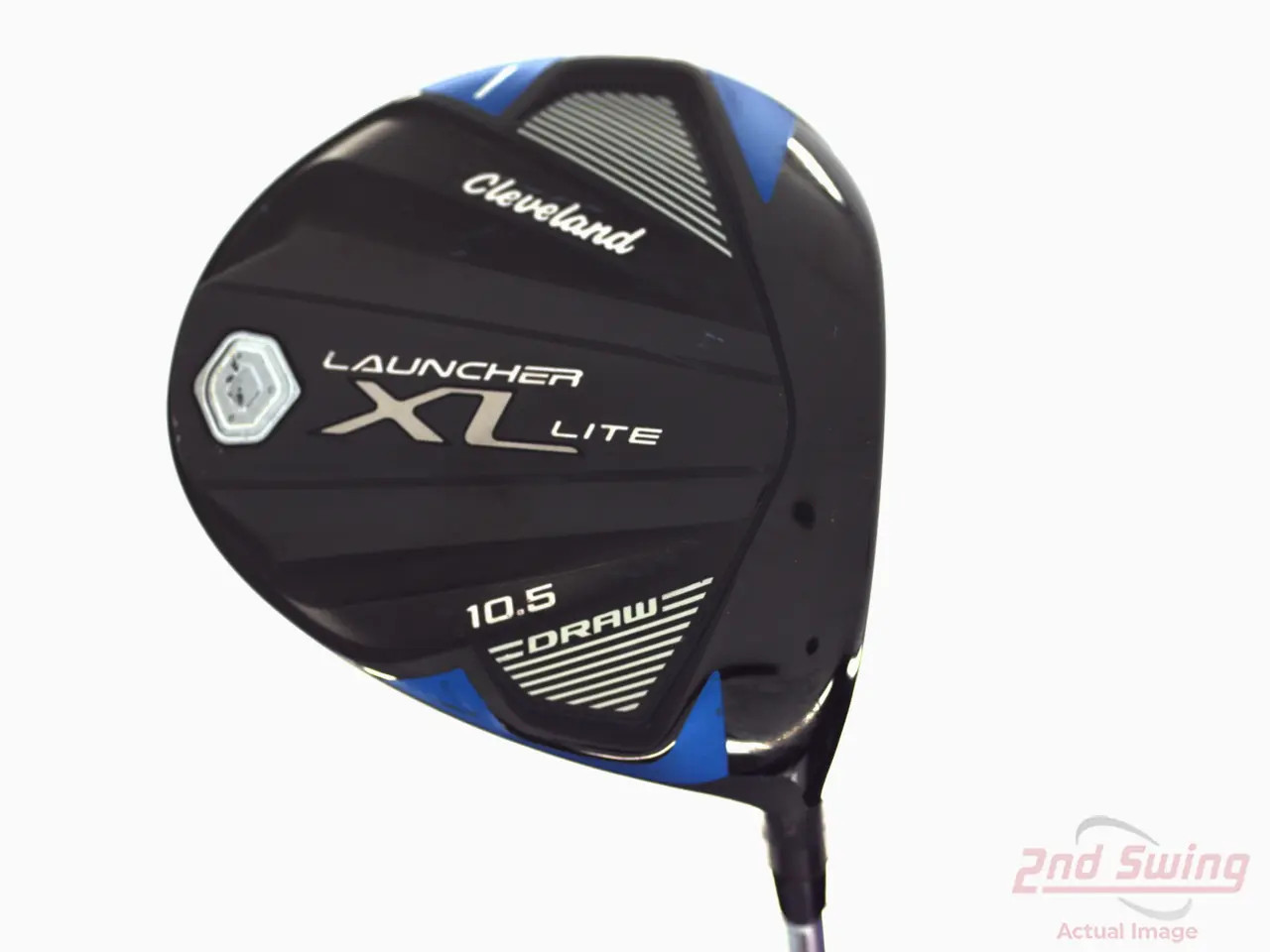
Cleveland Launcher XL Lite Draw
2022
Best for: High handicappers on a budget who want a dedicated draw-bias driver
Standard Loft
10.5, 12 degrees
Face Angle
Closed
Forgiveness
Very high
Adjustability
Fixed hosel
Cleveland doesn't get the same press as Ping or TaylorMade, but this driver earns its place on this list. The XL Lite Draw has a closed face angle and heel-biased CG specifically for slicers, a lightweight shaft for slower swing speeds, and a very large sweet spot that forgives mis-hits aggressively. At $100-$180, it is the only legitimate draw-bias driver with proper slicer-corrective technology available under $200. For a high handicapper who wants to get into a draw-bias driver without a large investment, this is the most honest recommendation at this price.
Pros
- +Most affordable legitimate draw-bias driver
- +Closed face angle and heel CG work together to reduce slice
- +Lightweight shaft helps slower swing speeds
- +Very large sweet spot for forgiveness
Cons
- -No adjustability
- -Older technology compared to current Ping or TaylorMade
Quick Comparison
| Driver | Year | Draw Bias | Forgiveness | Price |
|---|---|---|---|---|
| Ping G440 SFT | 2024 | Maximum | Extremely high | ~$280+ pre-owned |
| Cobra OPTM Max-D | 2026 | High | Very high | ~$320+ pre-owned |
| TaylorMade Qi10 Max D | 2024 | High | Very high | ~$320+ pre-owned |
| Callaway Elyte | 2025 | Adjustable | High | ~$350+ pre-owned |
| Cobra Aerojet Max | 2023 | Moderate | Very high | ~$180 pre-owned |
| Cleveland XL Lite Draw | 2022 | High | Very high | ~$100 pre-owned |
Frequently Asked Questions
Will a draw-bias driver fix my slice?
It will reduce the severity of your slice, often meaningfully so. A draw-bias driver closes the face angle and shifts weight toward the heel, both of which reduce the face-to-path gap that generates sidespin. For moderate slicers, this can turn a 30-yard slice into a manageable 10-15 yard fade. For severe slicers with a fundamentally open swing path, equipment helps at the margin but lessons address the root cause.
What is the best driver for a severe slicer?
The Ping G440 SFT is the best driver for a severe slicer. It has the most draw bias of any mainstream driver — a combination of heel-biased CG, closed face angle, and high MOI that no competitor matches for pure slice correction. If your ball curves 20 or more yards right on most drives, start here. The Cobra OPTM Max-D is the best alternative if you want 2026 technology specifically.
What loft should a slicer use?
More loft. A higher-lofted driver (10.5 to 12 degrees) reduces sidespin by increasing backspin relative to sidespin, and it gets the ball airborne more easily for slower swing speeds. Many slicers are playing 9-degree drivers and fighting both the open face and too-low trajectory at the same time. Go to 10.5 or 12 degrees and you'll notice a difference.
Is a draw-bias driver worth the money for an occasional slicer?
If you only slice occasionally, a standard forgiving driver with a loft adjustment is likely all you need. Draw-bias drivers are most worth the premium for golfers who slice consistently, meaning most drives curve significantly right, not just occasionally.
What is the difference between a draw-bias driver and a regular driver?
A draw-bias driver moves the center of gravity toward the heel and often uses a closed face angle. The heel-biased CG encourages the face to close through impact via gear effect, promoting right-to-left spin. A regular driver has a centered or neutral CG position and a square face angle, producing a neutral flight. The correction a draw-bias driver provides is built into the hardware — you do not have to change your swing to benefit from it.
Can a good player use a draw-bias driver?
Typically not as their primary driver. A player who already draws the ball could turn a draw into a hook with a draw-bias driver. These clubs are specifically engineered for golfers who miss right regularly. A scratch or low-handicap player who occasionally fades would be better served by a neutral driver with a heel weight setting.
What shaft should a slicer use?
Generally, a lighter shaft with a softer tip section and a regular to stiff flex (matched to swing speed) helps close the face through impact. A shaft that is too stiff for your swing speed leaves the face open. Shaft weight also matters: a lighter shaft (50-60 grams) is easier to swing faster, and a slightly faster swing speed reduces the face-to-path gap that causes side spin.