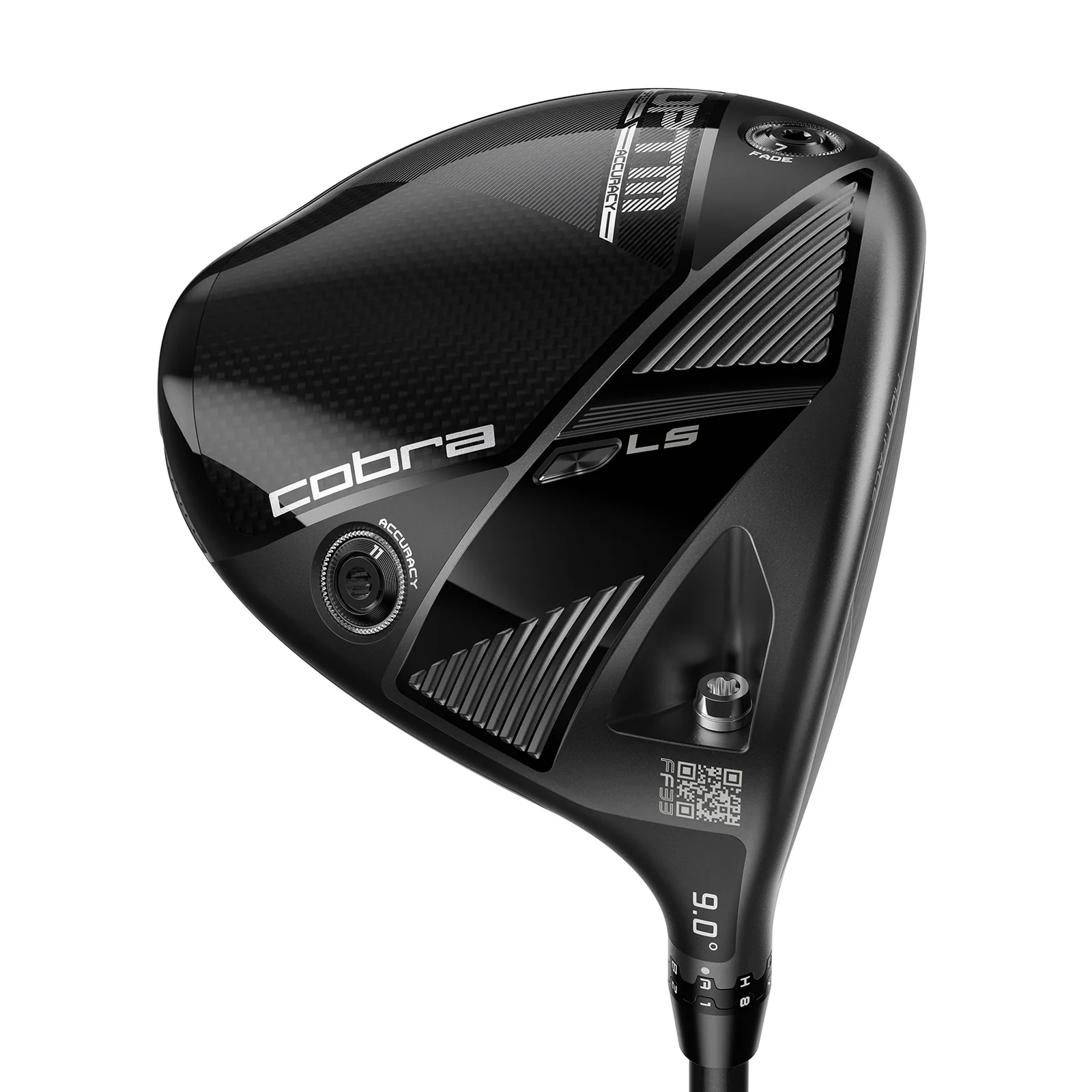
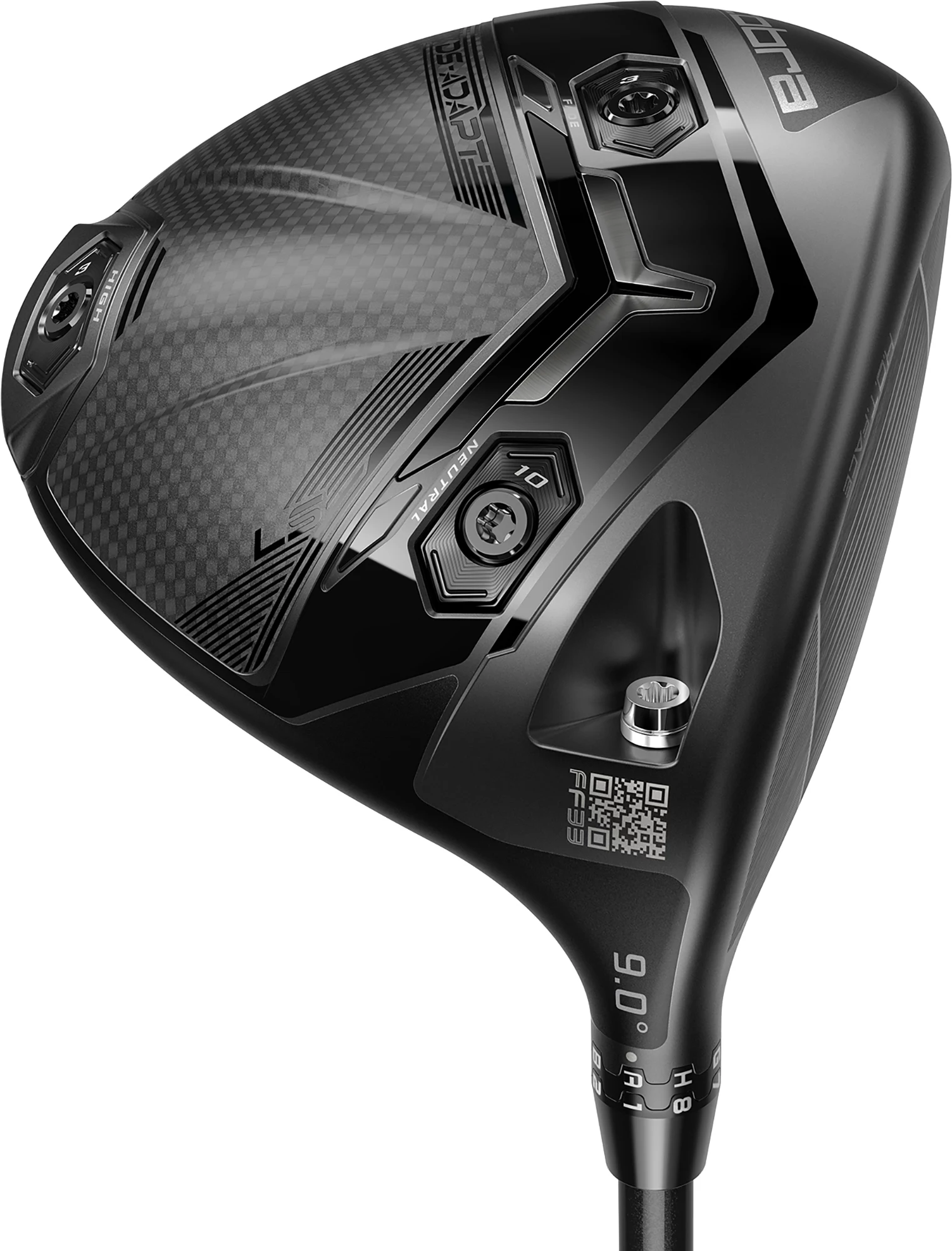
- +Your swing speed is above 105 mph and you want the latest low-spin engineering
- +A fitting showed the OPTM LS producing measurably better launch monitor numbers
- +You are a competitive golfer where every yard of optimized carry matters
- +You want the most refined CG placement and carbon construction in Cobra's LS line
- +Budget is not a constraint and you plan to keep this driver 3+ years
- +You want the correct low-spin platform at ~$219 used
- +The $330 price difference is meaningful to your equipment budget
- +You swing 100–110 mph and want to drop spin without paying new-model pricing
- +You plan to upgrade again in 1–2 years
- +You want to spend the savings on a shaft fitting or custom shaft
The LS designation hasn't changed between generations: both drivers are engineered for the same narrow target audience — swing speeds above 100 mph with a tendency to balloon. The used market supplied a wave of DS-ADAPT LS drivers when the OPTM launched. At $219, it is the most affordable way into a properly engineered low-spin head from Cobra.
Specs at a Glance
| Spec | OPTM LS | DS-ADAPT LS |
|---|---|---|
| Generation | 2026 | 2025 |
| Head Size | 460cc | 460cc |
| Face Tech | POI Variable Face | POI Variable Face |
| CG Position | Forward (moveable) | Forward (balanced) |
| Carbon Construction | Full carbon crown + sole | Dual Structure (DS) carbon body |
| Launch | Low | Low |
| Spin | Low | Low |
| Forgiveness | Moderate | Moderate |
| Target Swing Speed | 100+ mph | 100+ mph |
| Hosel | FutureFit33 (33 settings) | FutureFit33 (33 settings) |
| Price | ~$549 new | ~$219 used |
Head to Head
What Changed from DS-ADAPT LS to OPTM LS
Edge: OPTM LS (marginal)OPTM LS
The OPTM LS's main upgrade is construction: a full carbon crown and sole replaces the DS-ADAPT LS's Dual Structure carbon body. This additional carbon mass saving allows Cobra to position the moveable forward weight even more precisely — lower and closer to the face — for maximum spin reduction at the top swing speeds. Cobra also refined the POI face geometry for the OPTM generation, extracting slightly more ball speed from off-center hits. The OPTM LS is the more complete version of the same design philosophy.
DS-ADAPT LS
The DS-ADAPT LS introduced Cobra's most aggressive forward-CG platform — designed specifically for players who needed to fight ballooning drives and high spin. Its Dual Structure carbon body saved meaningful weight versus the Aerojet LS, which Cobra used to push the CG further forward than any previous cobra model. The DS-ADAPT LS was well-regarded in 2025 fitter testing as the best option in Cobra's lineup for fast swingers who needed to drop spin. The OPTM LS refines this; it does not reinvent it.
Distance and Ball Speed
Edge: OPTM LS (slight, launch-monitor only)OPTM LS
The OPTM LS's more precisely positioned forward CG produces marginally lower spin for given swing speeds, which for players in the 105–120 mph range translates to a slightly more optimal launch-spin window. On a launch monitor the gap versus the DS-ADAPT LS is typically 2–3 mph of ball speed and 100–200 rpm less spin — real numbers that produce 5–8 yards of carry under ideal conditions. For a competitive player who cares about every yard, this is meaningful. For a recreational fast swinger, it is noise compared to the fitting and course management decisions that cost 20 yards a round.
DS-ADAPT LS
The DS-ADAPT LS produces competitive ball speeds for any 2025-era driver and its low-spin profile is still exactly right for fast swingers who balloon. At swing speeds above 100 mph, the DS-ADAPT LS's forward CG is the correct engineering choice — the OPTM LS refines the execution of that same choice, not the direction. For a golfer upgrading from an Aerojet LS or a non-LS driver, the DS-ADAPT LS at $219 used is a significant and immediate improvement in ball flight efficiency.
Forgiveness
Edge: Even (both moderate, intended for consistent strikers)OPTM LS
The OPTM LS's forward CG comes at the cost of MOI — moving weight toward the face reduces perimeter weighting, which means off-center hits produce more twisting and distance loss than a max-forgiveness head. This is an intentional trade-off: the OPTM LS is not built for forgiving mishits; it is built for rewarding good ones. Fast swingers who choose an LS model should be making consistent center contact. If you miss the center regularly, the OPTM X or Max-K will serve you better regardless of generation.
DS-ADAPT LS
The DS-ADAPT LS has the same forgiveness profile as the OPTM LS — moderate, by design. Both are forward-CG low-spin drivers that reward precise contact and punish heel and toe misses more than a standard or max-forgiveness head would. The forgiveness gap between the DS-ADAPT LS and OPTM LS is marginal. If forgiveness is your primary concern, neither is the right choice; the Max-K variant in either generation is a better fit.
Feel and Sound
Edge: OPTM LS (more refined)OPTM LS
The OPTM LS's extended carbon coverage changes the impact acoustic from the DS-ADAPT LS — producing a slightly softer, more muted sound at impact. Fast swingers often have strong preferences about impact sound, and the OPTM LS's feel is closer to the full-carbon heads from Callaway and TaylorMade that dominate the category. The refinement is real but subtle, and whether it matters to you depends on how much weight you give to feel in a driver purchase.
DS-ADAPT LS
The DS-ADAPT LS sounds and feels like a quality low-spin driver — not harsh, responsive, and clearly appropriate for fast-swing-speed players. Its impact feedback is good enough that most players would not flag "feel" as a reason to upgrade. The feel difference between the DS-ADAPT LS and OPTM LS is genuine but small, and it resolves most clearly in a side-by-side alternating-shot comparison rather than in normal play.
Value: $549 New vs $219 Used
Edge: DS-ADAPT LS (used value)OPTM LS
The OPTM LS makes sense as a new purchase if you are a competitive fast swinger who wants the latest carbon construction, you have been fitted and the OPTM LS produces measurably better numbers, or you plan to keep your driver for three or more years. The price premium is real — $330 more than a used DS-ADAPT LS — but for a player in the 105–115 mph range where every yard of optimized carry matters, the OPTM LS's marginal improvements in ball speed and spin accumulate over 72 holes in ways that justify the cost.
DS-ADAPT LS
The DS-ADAPT LS at ~$219 used is a compelling buy for fast swingers who want the correct low-spin platform at the lowest possible price. It was a top low-spin option in 2025 fitter testing, it is available in excellent condition from reputable retailers, and the performance gap versus the OPTM LS is not significant enough to change course management or handicap. For recreational fast swingers and anyone who upgrades equipment every 1–2 years, the DS-ADAPT LS is the sharper value.
Price Breakdown
The OPTM LS retails at ~$549 new. The DS-ADAPT LS is available used for ~$219. That is a $330 gap for improvements that amount to marginally faster ball speeds on well-struck shots, more precise CG placement from the additional carbon construction, and a softer feel. For recreational fast swingers, the difference will not change your score.
OPTM LS (new)
~$549
2026 · Latest Carbon Construction
DS-ADAPT LS (used)
~$219
2025 · Best Value Low-Spin Driver
Savings
~$330
Choosing used DS-ADAPT LS
Where to Buy
Frequently Asked Questions
What is the difference between the Cobra OPTM LS and DS-ADAPT LS?
Both are Cobra's low-spin driver for players with swing speeds above 95–100 mph who generate too much spin and need to flatten their ball flight. The OPTM LS (2026) upgrades to a full carbon crown and sole versus the DS-ADAPT LS's Dual Structure carbon body, enabling more precise CG placement and marginally faster ball speeds. Both use POI face technology and the FutureFit33 33-position hosel. The DS-ADAPT LS is available used for ~$219 versus ~$549 new for the OPTM LS.
Who should buy the Cobra OPTM LS?
The OPTM LS is built for golfers with swing speeds above 100 mph who generate excess spin and need a lower, more penetrating ball flight. It features a forward-shifting CG that can be moved toward the front of the head for maximum spin reduction. If a standard driver balloons on you — producing high, short, left-to-right shots — the OPTM LS is designed to fix that. It is not a driver for slower swingers or those who need help getting the ball airborne.
Is the Cobra OPTM LS significantly better than the DS-ADAPT LS?
For most fast swingers, the improvement is modest but real. Both produce low spin from a forward CG, both use POI face technology, and both adjust with the FutureFit33 hosel. The OPTM LS's additional carbon construction provides marginally more precise weight placement and a slightly softer impact feel. The performance gap is genuine on a launch monitor — typically 2–3 mph ball speed — but the DS-ADAPT LS at ~$219 used delivers close to 90% of the OPTM LS's performance at less than half the price.
What swing speed do I need for the Cobra OPTM LS?
Cobra designs the OPTM LS for swing speeds above 100 mph, with the sweet spot around 105–120 mph. At those speeds, a standard driver often produces too much spin, and the OPTM LS's low-spin, forward-CG design becomes an advantage. Golfers swinging 90–100 mph who have been told in a fitting they need spin reduction can also benefit, but the OPTM X is typically a better fit for that range because it is less penalizing on mishits.
What is the adjustable weight system in the Cobra OPTM LS?
The OPTM LS features a forward-shifting moveable weight positioned near the face — Cobra's spin-reduction mechanism. Moving the weight forward lowers the CG and reduces dynamic loft at impact, producing a lower, more penetrating flight with less spin. This is the opposite of the Max-K and Max-D's rear/heel weighting. Combined with the FutureFit33 hosel's 33 loft and lie settings, the OPTM LS offers significant fitting range for fast ball-strikers who need to dial in a specific trajectory.