Golf Driver Reviews & Buying Guides
Buying guides, head-to-head comparisons, and honest reviews for every swing type and budget. No sponsored rankings. Just clear analysis of which drivers perform and why.
Save $200–$400
Want the same fitting for used drivers?
Prior-gen clubs don't stop performing when the new model drops. Our used driver quiz matches your swing to the right Elyte, G430, Qi35, DS-ADAPT, or TSR at $199–$479 used. Nobody else does this.
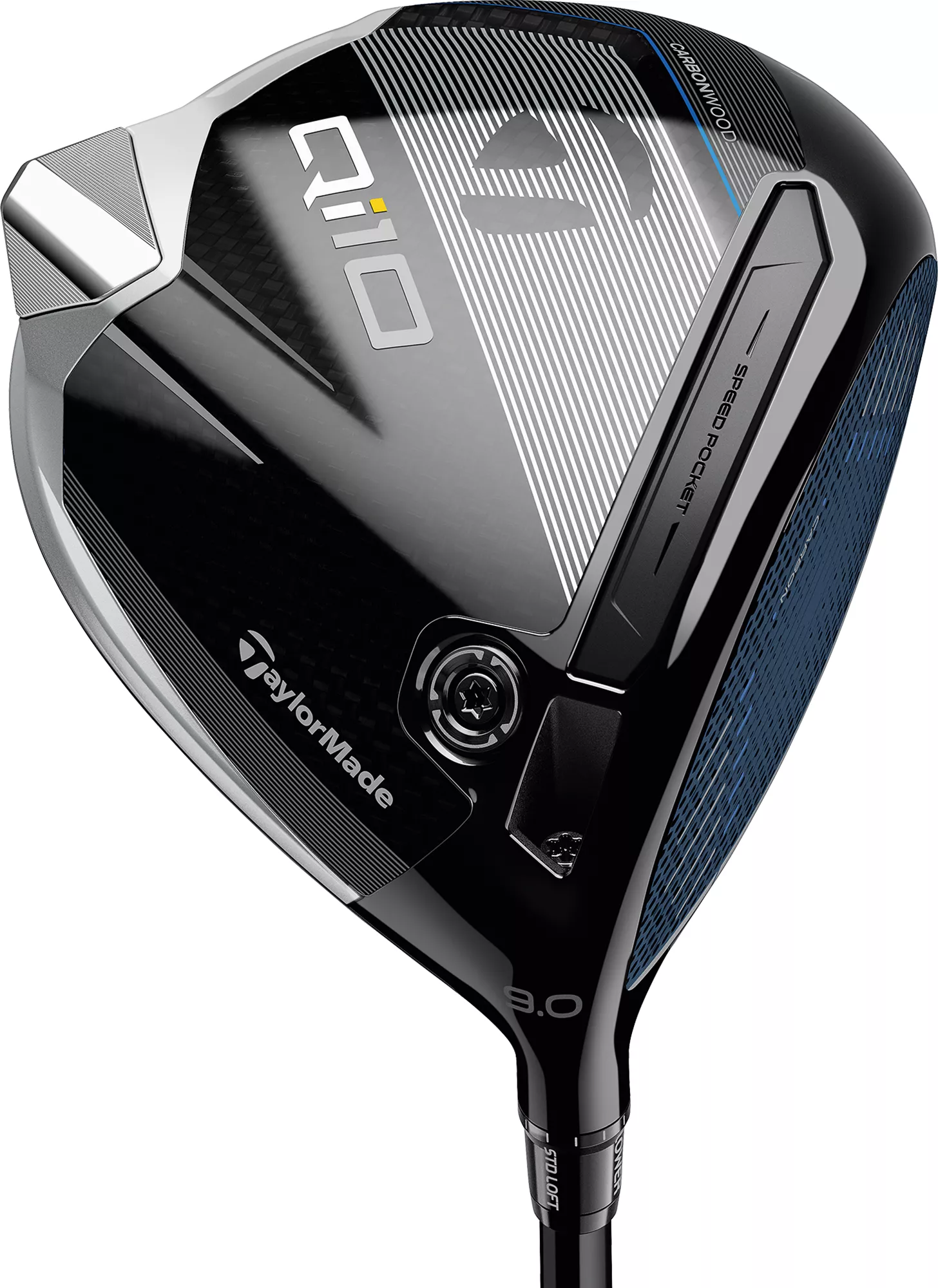
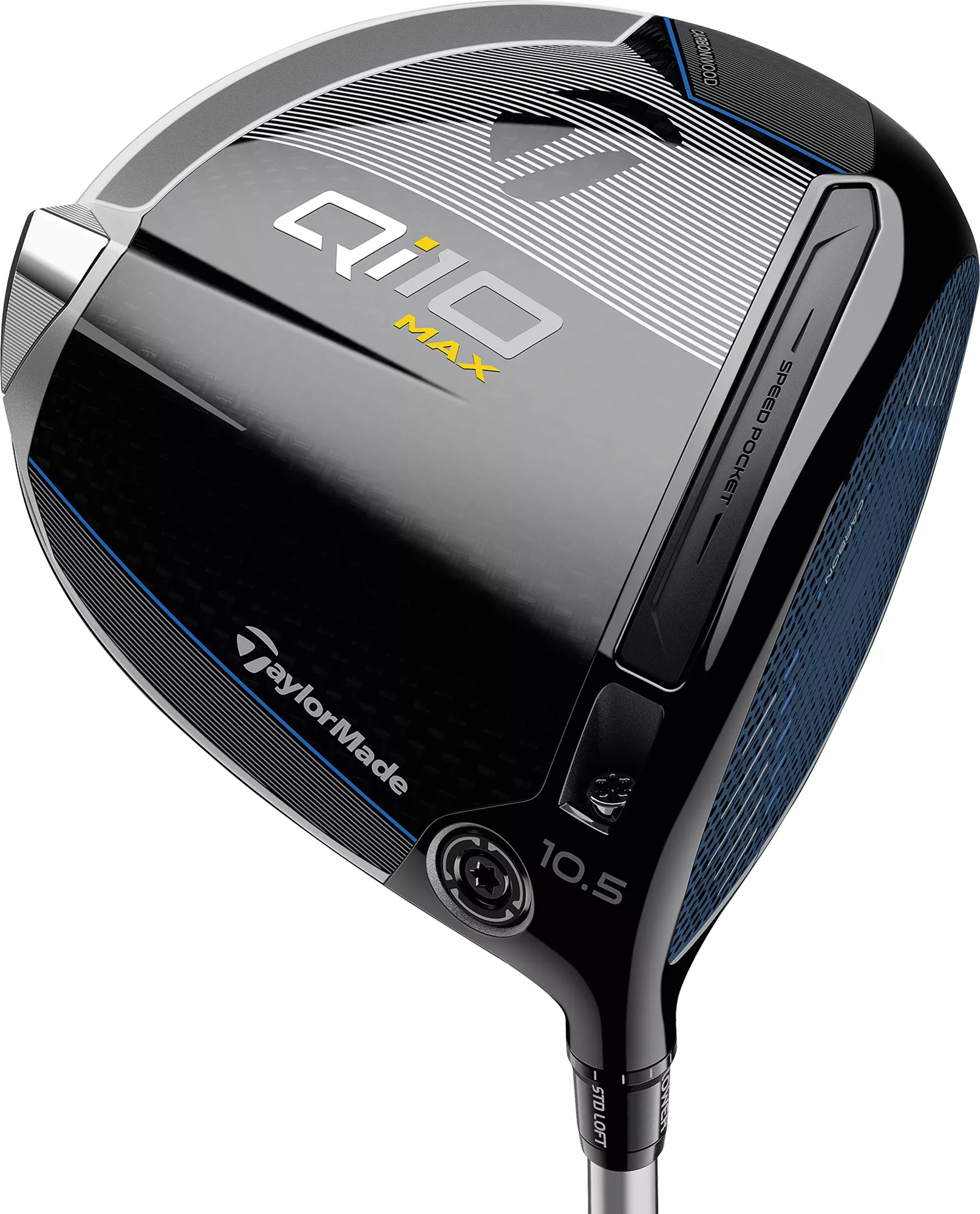
TaylorMade Qi10 vs Qi10 Max: Which One Is Right for You?
Same generation, same price, same Twist Face. The difference is a fitting decision: the Qi10 Max has higher MOI and more forgiveness; the standard Qi10 is more workable. Here's how to pick.
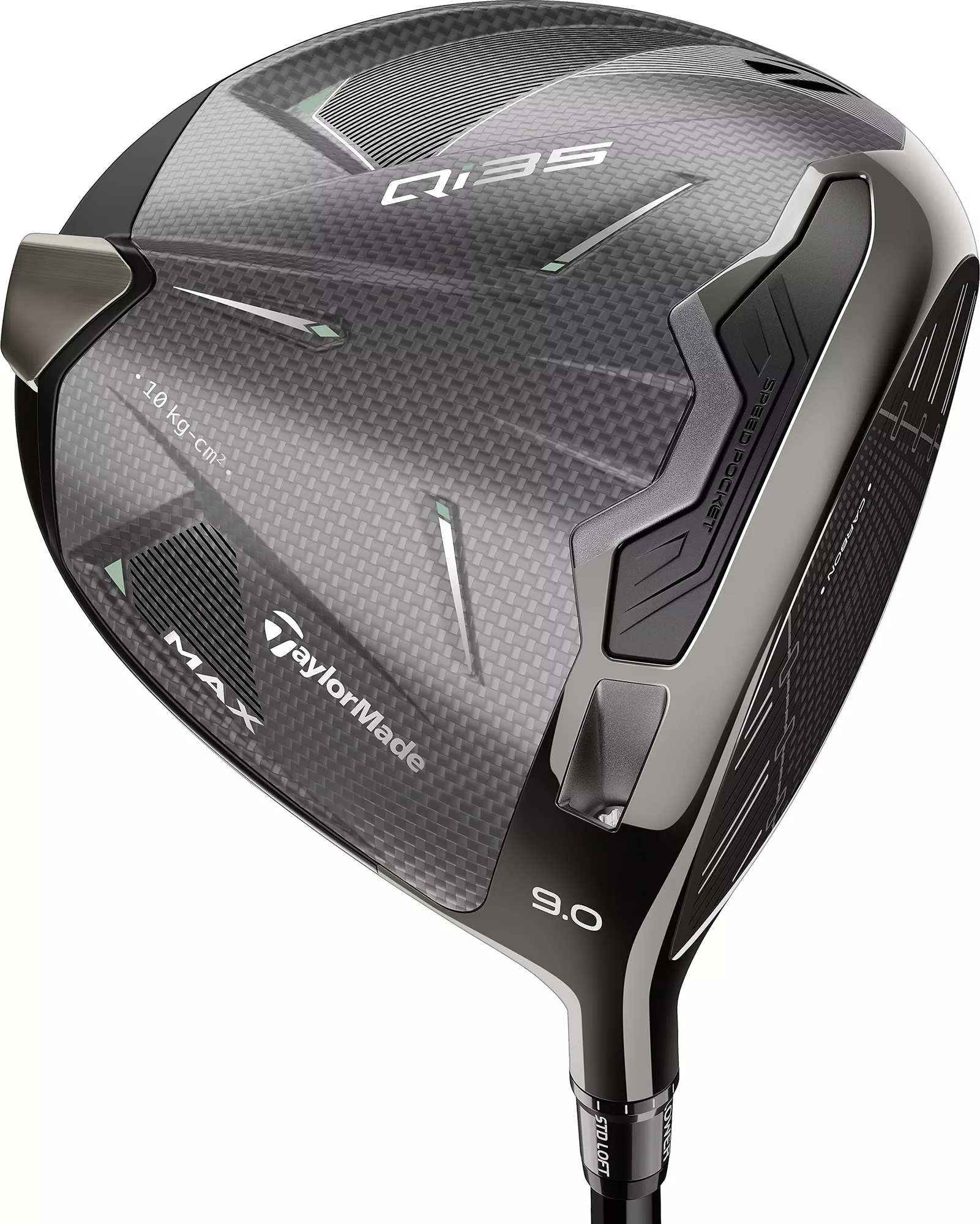
TaylorMade Qi10 vs Qi35: Should You Upgrade?
The Qi35 replaced the Qi10 in 2025. The Qi10 is now $299–399 — $200 below the Qi35's $599 MSRP. Both use Twist Face and carbon construction. The Qi35 is marginally better. Is it worth $200 more?
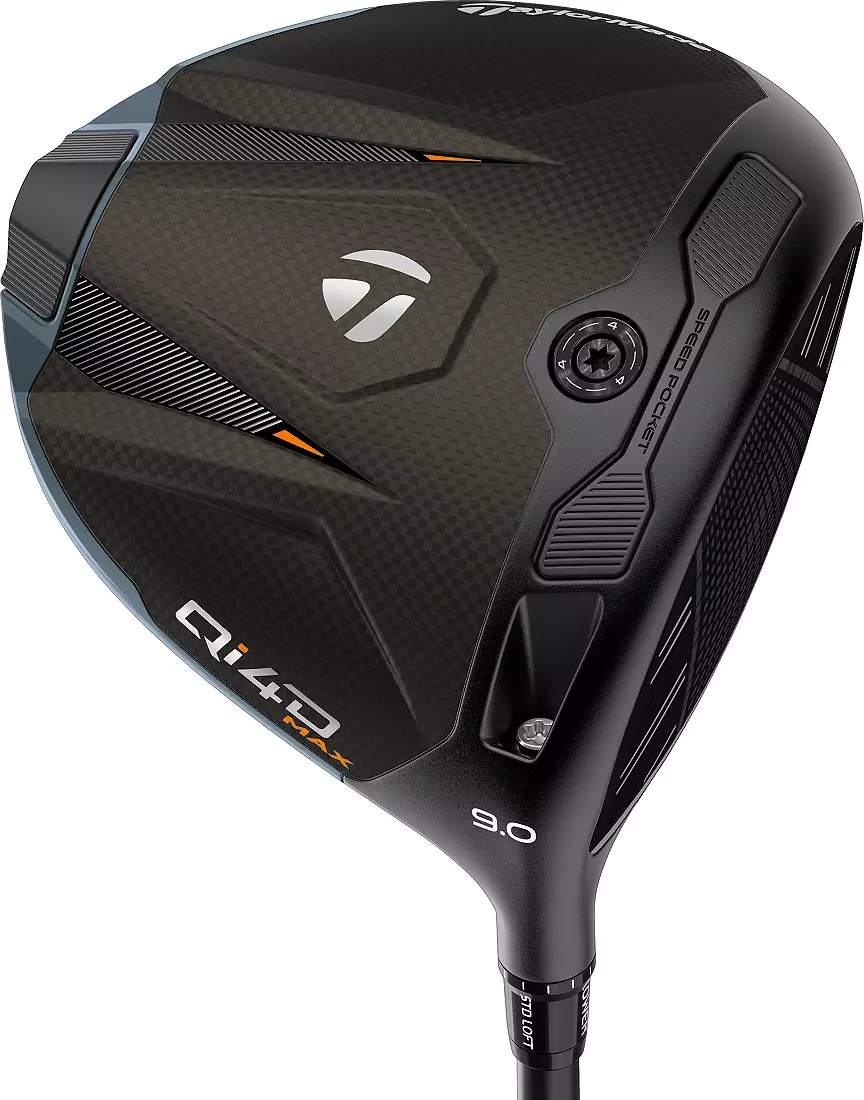
TaylorMade Qi10 vs Qi4D
The Qi10 is now $200–300 cheaper than the Qi4D. One generation apart — but how much performance actually separates them? A full breakdown of face tech, forgiveness, and value.
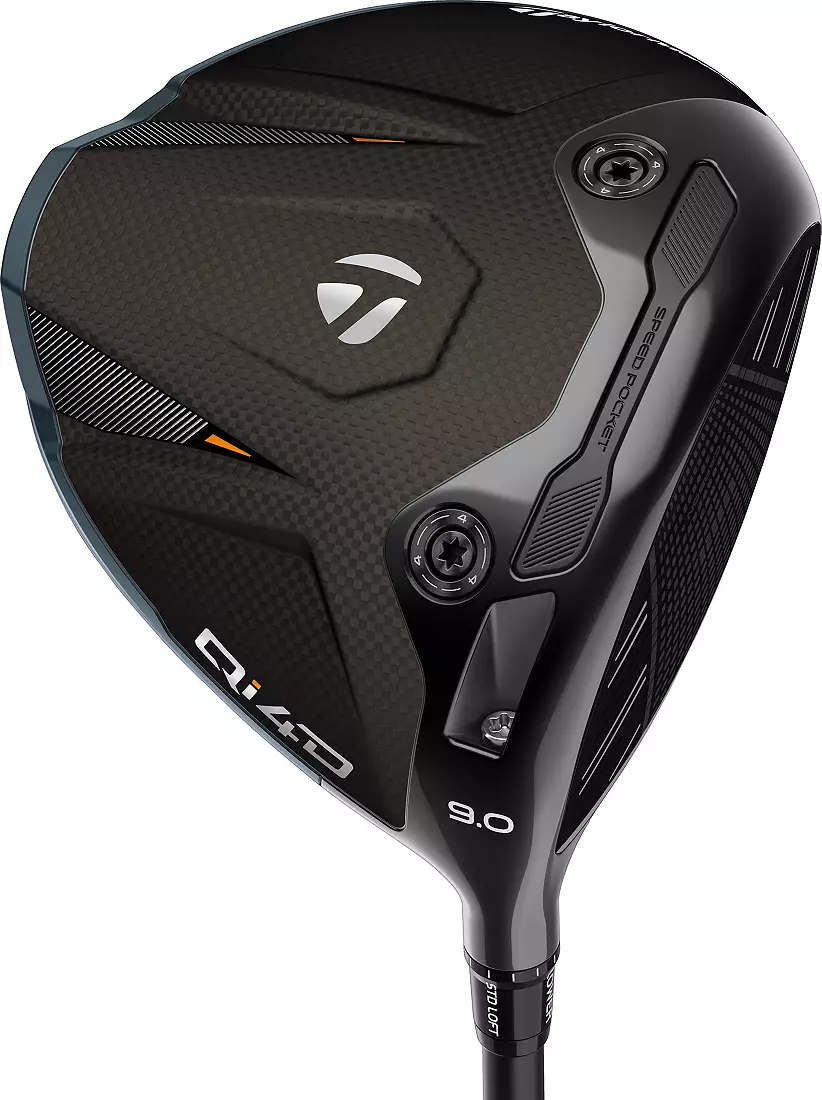
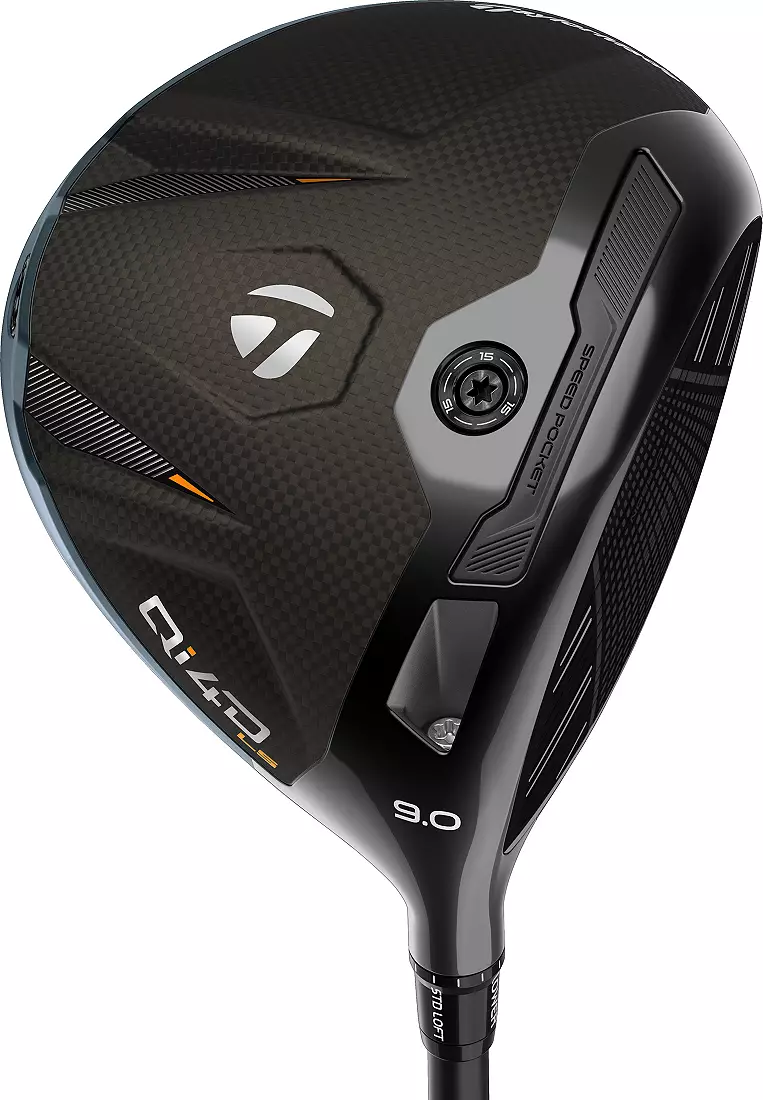
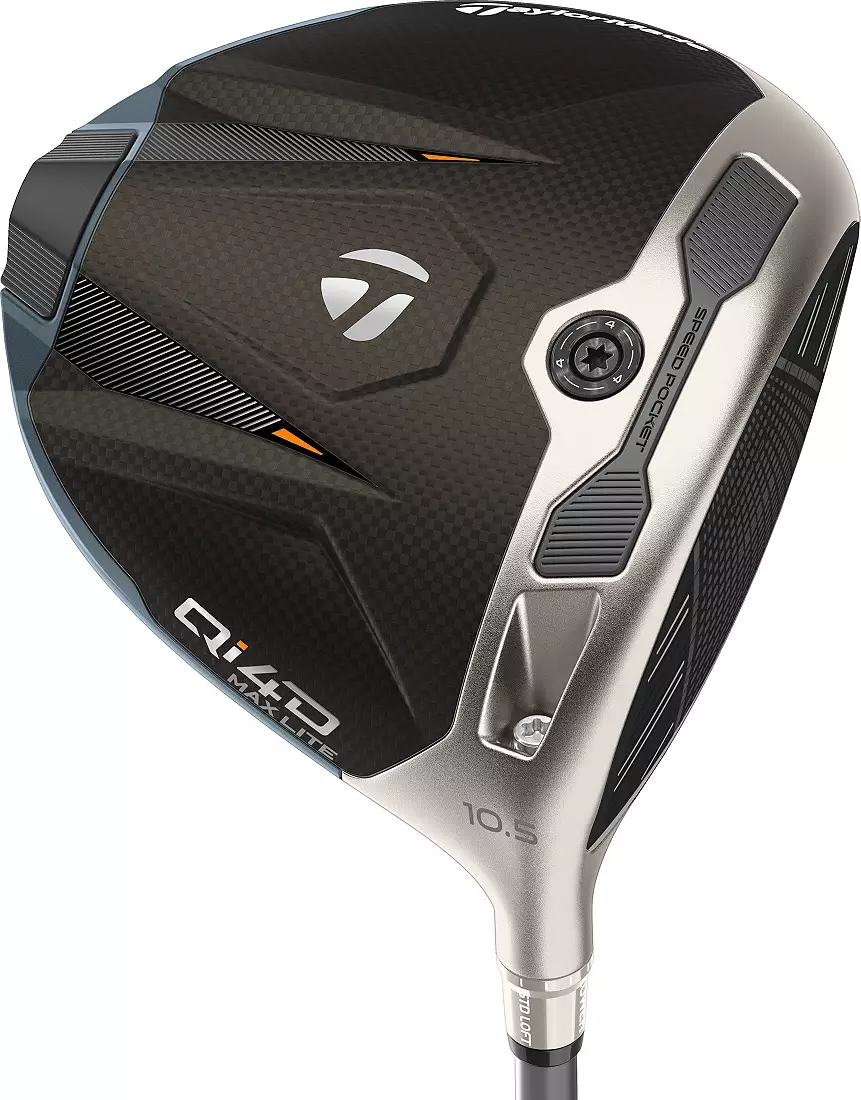
TaylorMade Qi4D Drivers (2026)
All four Qi4D models compared — Max, standard, LS, and Max Lite. Same 4D face tech across the lineup, but very different spin profiles, weight systems, and target swing speeds.
TaylorMade Qi4D vs Qi4D Max: Standard or Max Forgiveness?
The Qi4D Max has a deeper CG and more forgiveness. The standard Qi4D is more versatile and $50 less. Handicap 15+? Get the Max. Better ball-striker? The standard Qi4D.
TaylorMade Qi4D Max vs Max Lite: Which Fits Your Swing Speed?
Same head, different shaft weight. The Max is for 85+ mph; the Max Lite is for 65–85 mph and $50 less. The entire decision comes down to your swing speed.
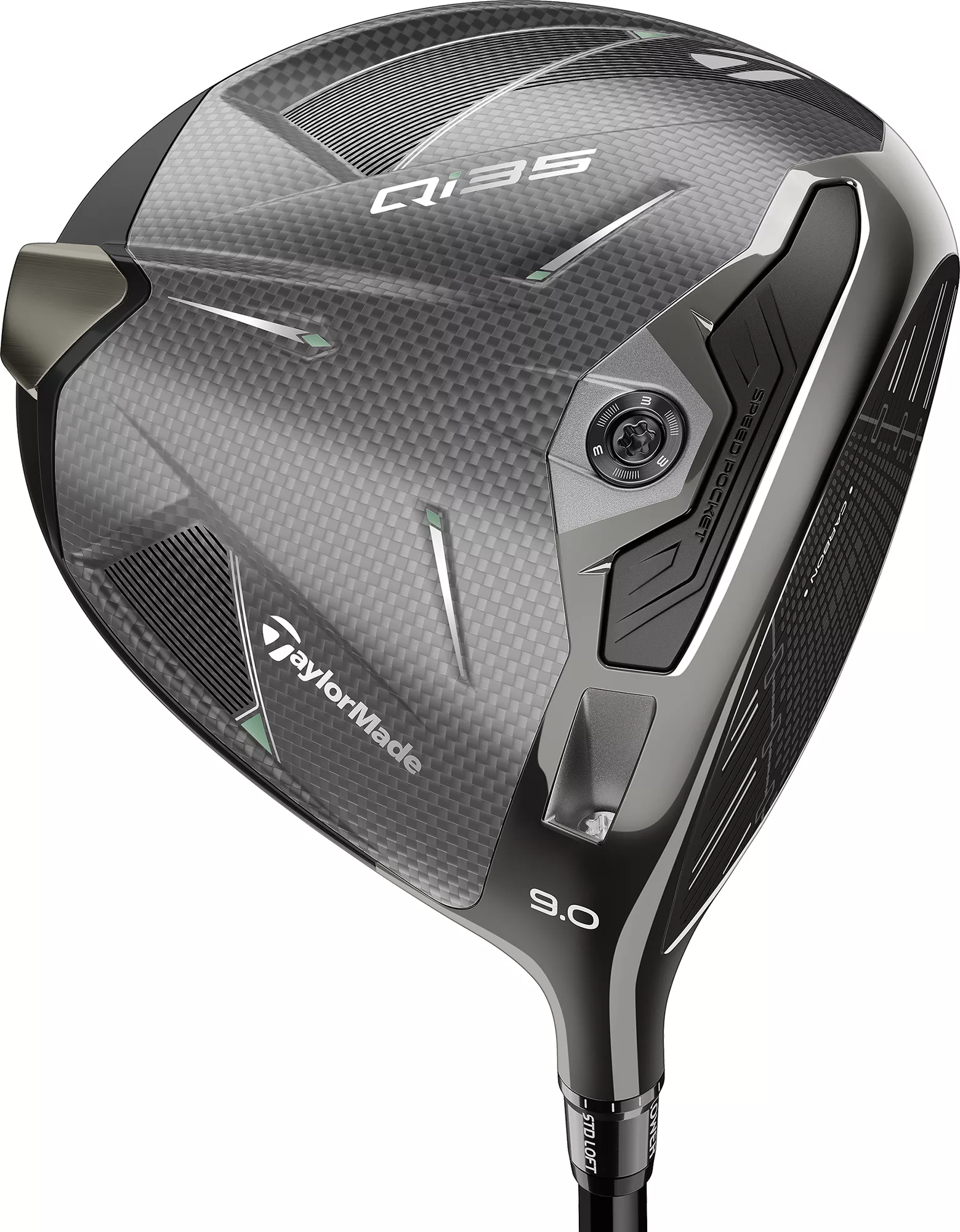
TaylorMade Qi35 vs Qi35 Max: Which One Should You Buy?
Same price, same generation — very different player profiles. The Qi35 is for consistent ball-strikers who want neutral flight. The Qi35 Max is for mid-to-high handicappers who want maximum forgiveness. Here's how to choose.
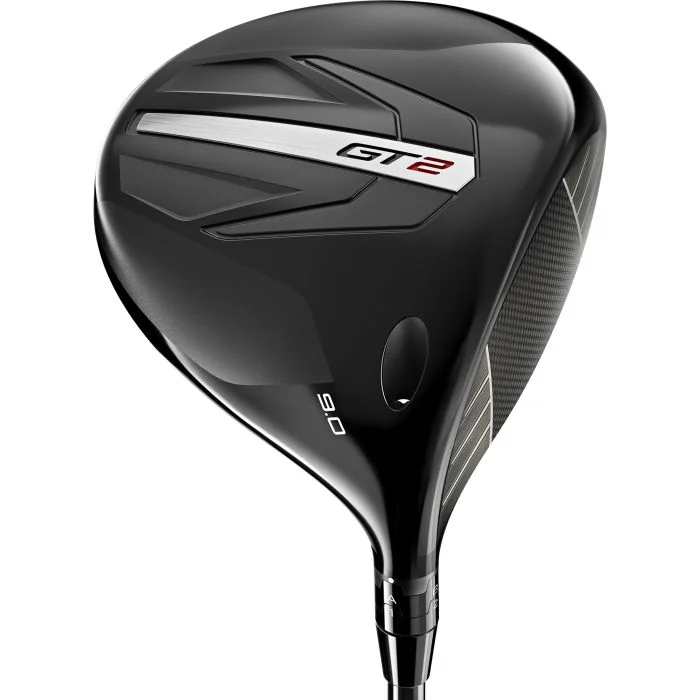
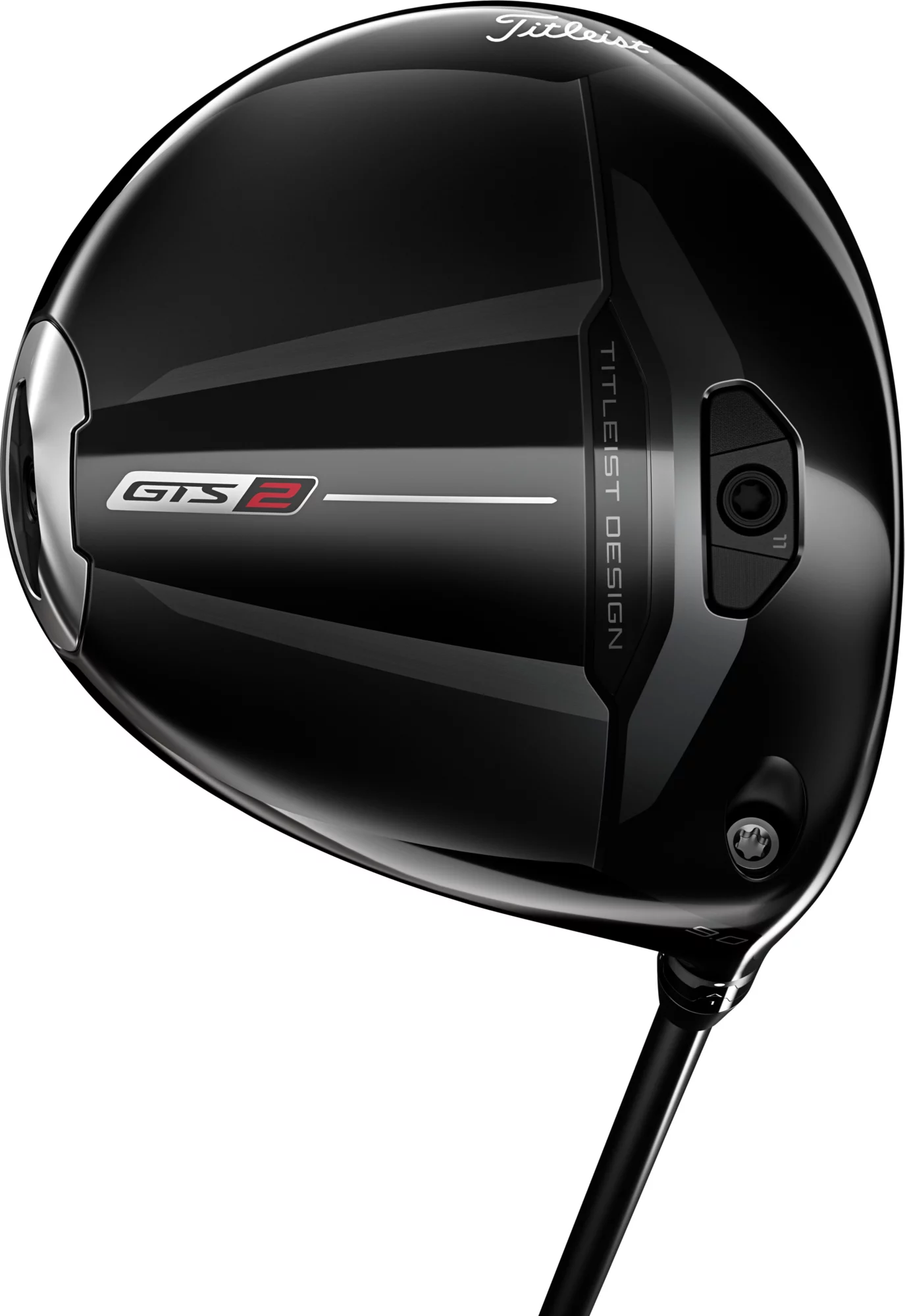
Titleist GT2 vs GTS2
The GT2 is now $200 less than the GTS2. Both are 460cc high-launch forgiveness drivers — but Speed Sync, doubled PMP material, and a front/rear weight swap separate the generations.
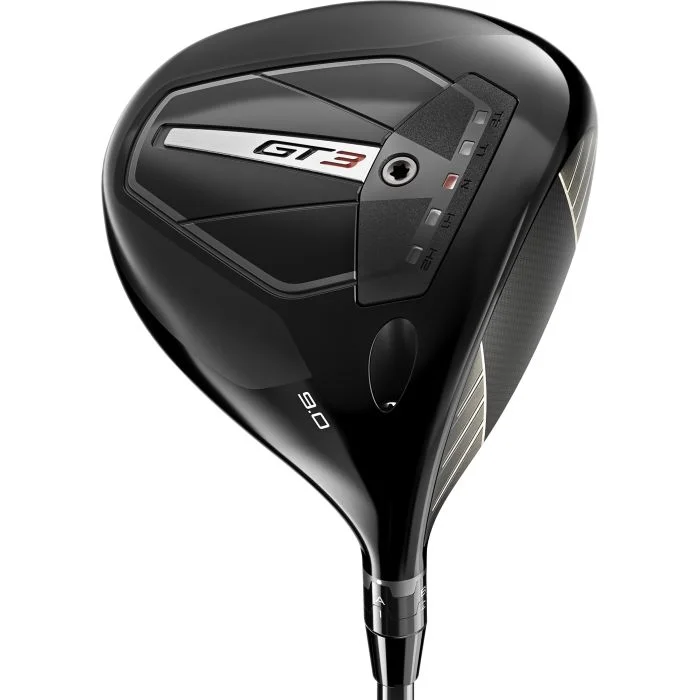
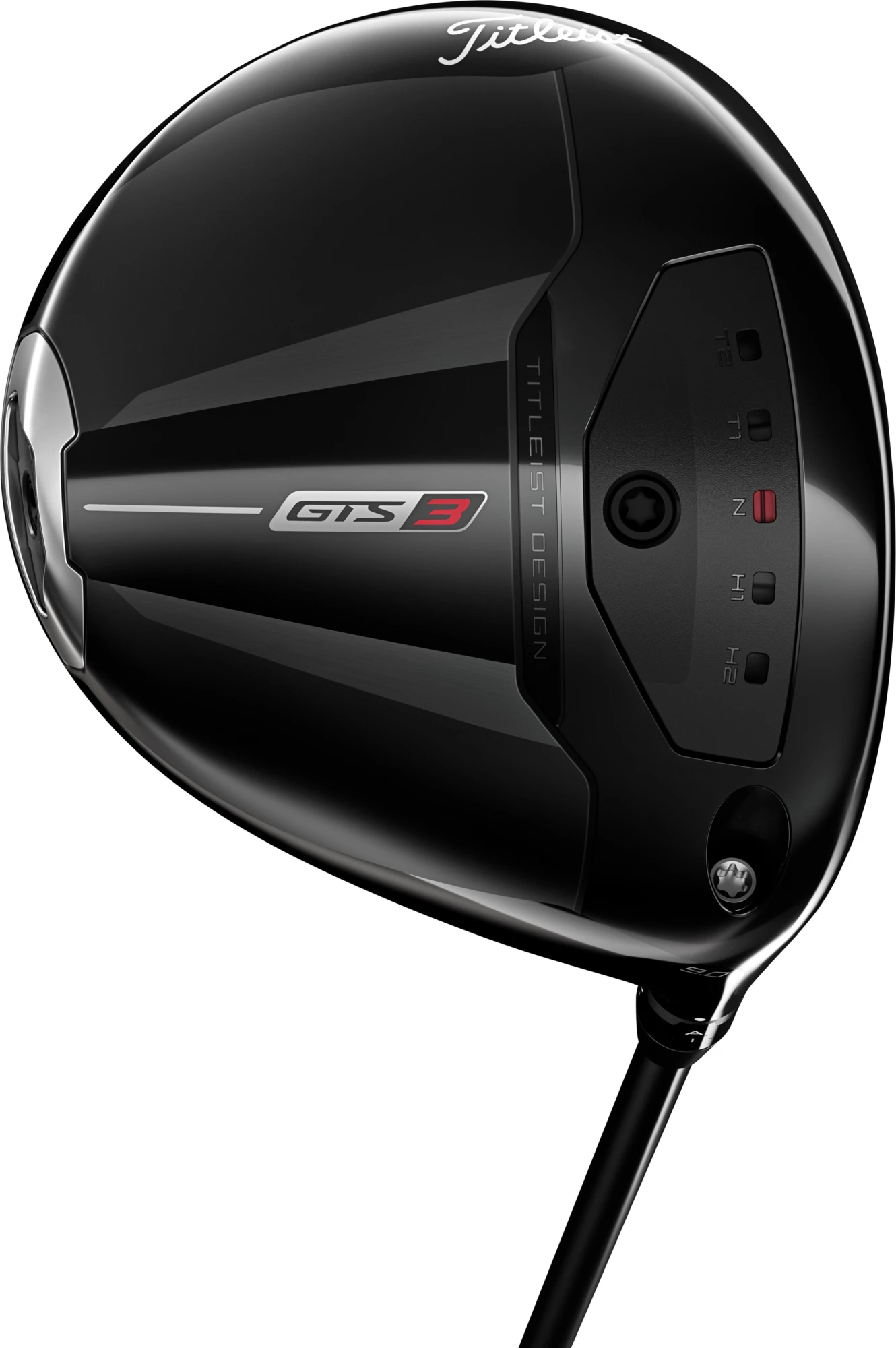
Titleist GT3 vs GTS3
The GTS3 goes compact and adds a 5-position weight track — producing lower spin with more precise fitting control. The GT3 stays full 460cc at $200 less.
Titleist GT4 vs GTS4
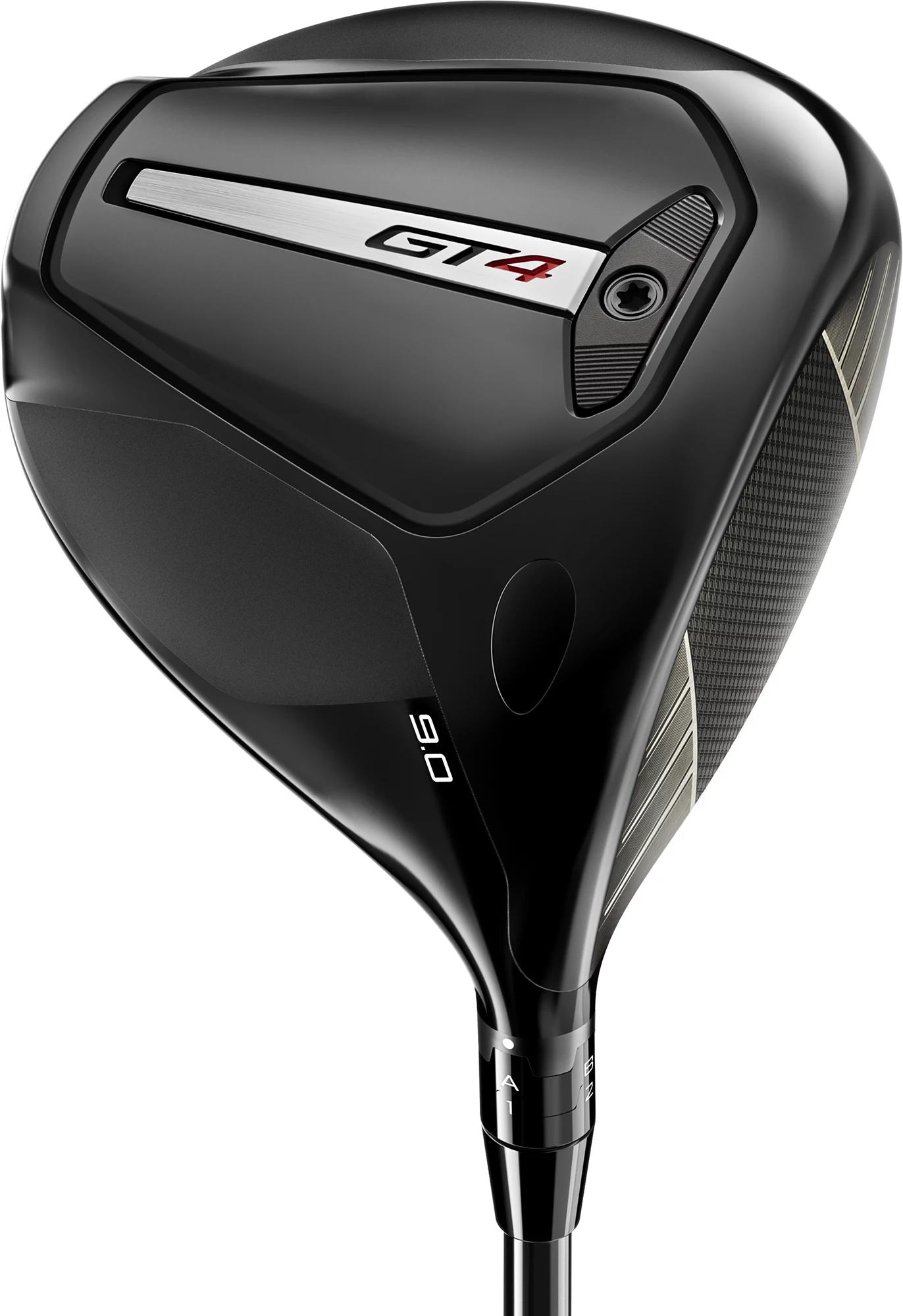
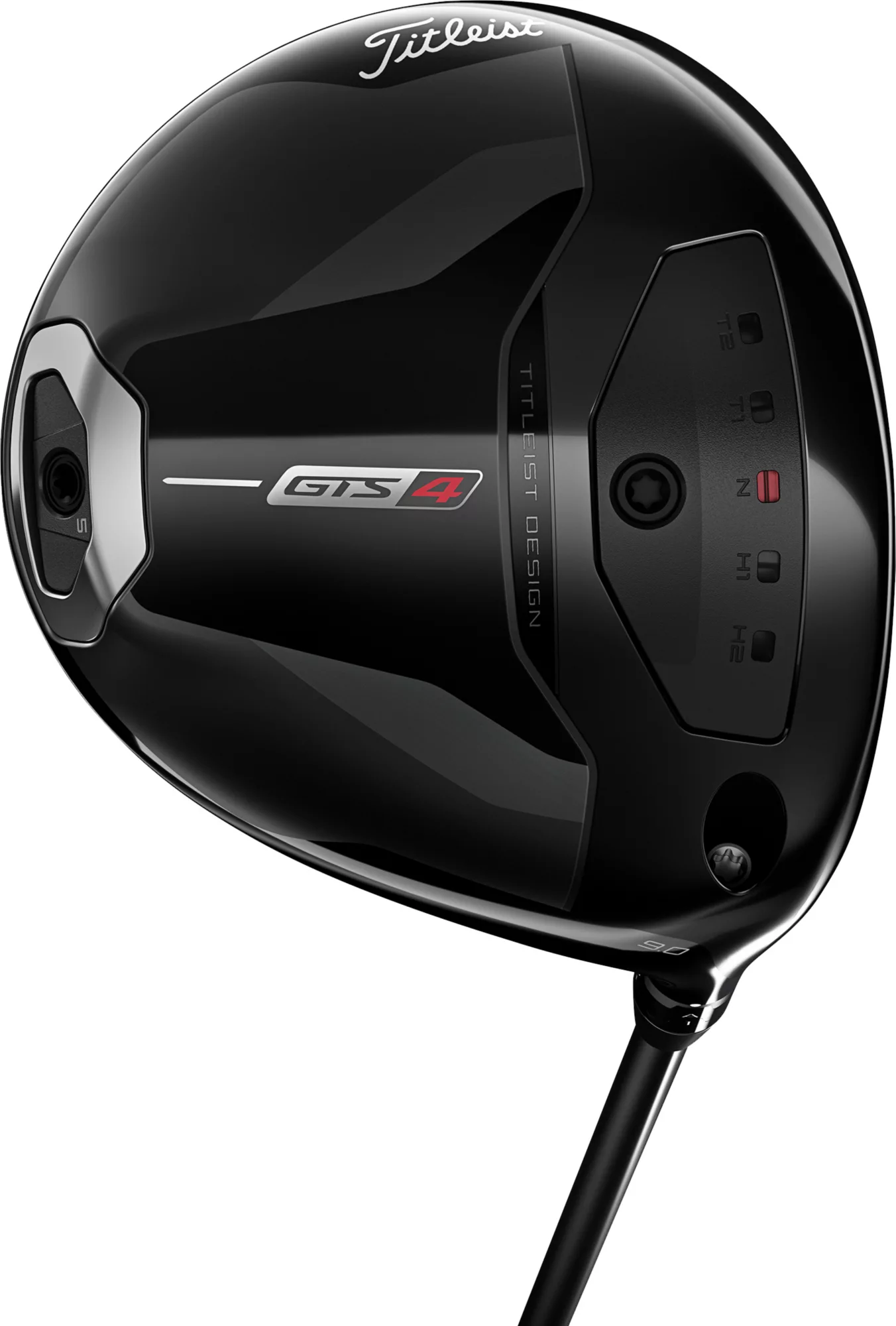
The GT4 was a compact 440cc tour specialist. The GTS4 is a full 460cc head — same low-spin philosophy, dramatically more forgiving. The biggest change in the GTS lineup.
Titleist GTS2 vs GTS3 vs GTS4 (2026)
The new Titleist GTS lineup hits retail June 11. All three cost $699 and share the same face tech — the difference is head size, spin, and who each model is built for.
Best Golf Drivers 2026
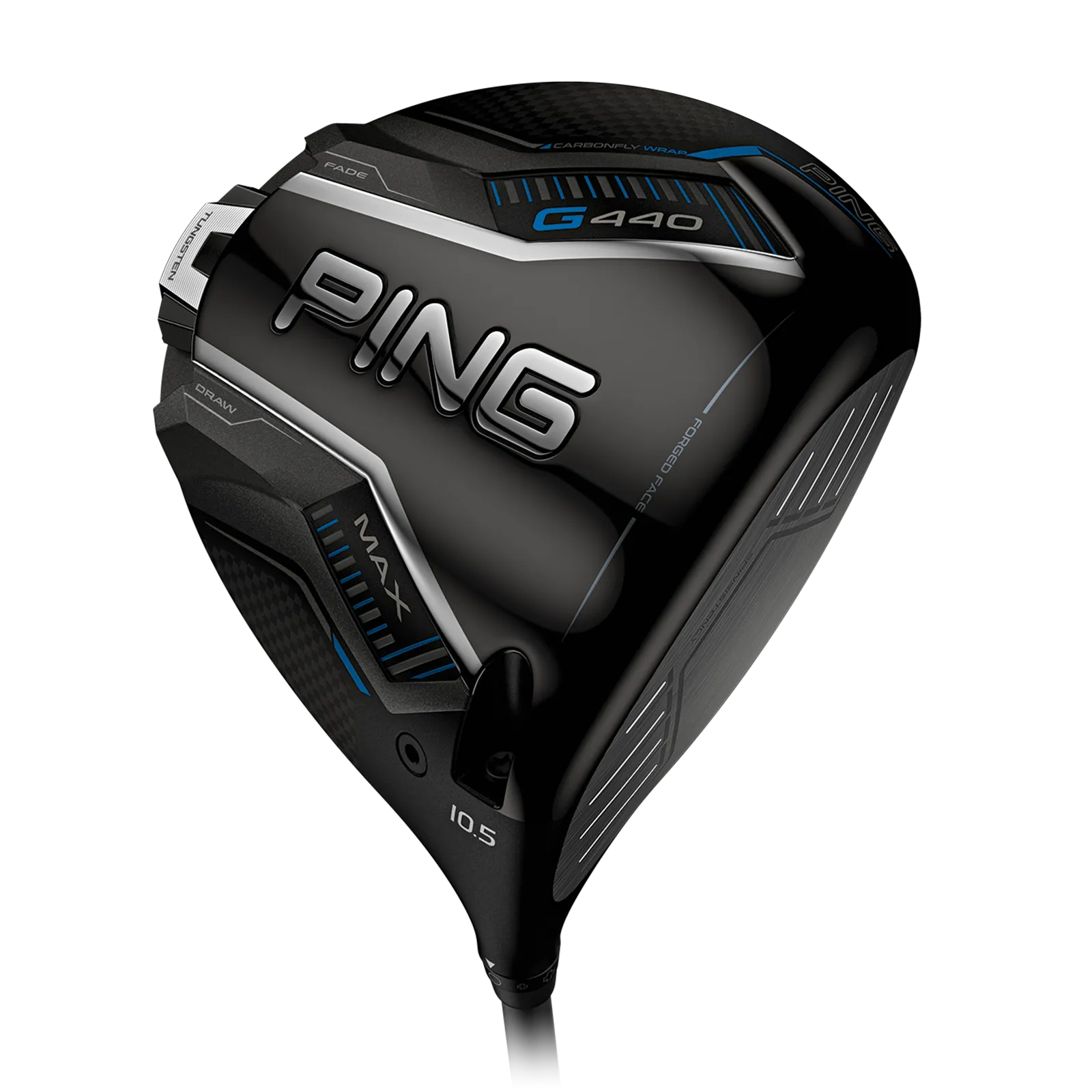
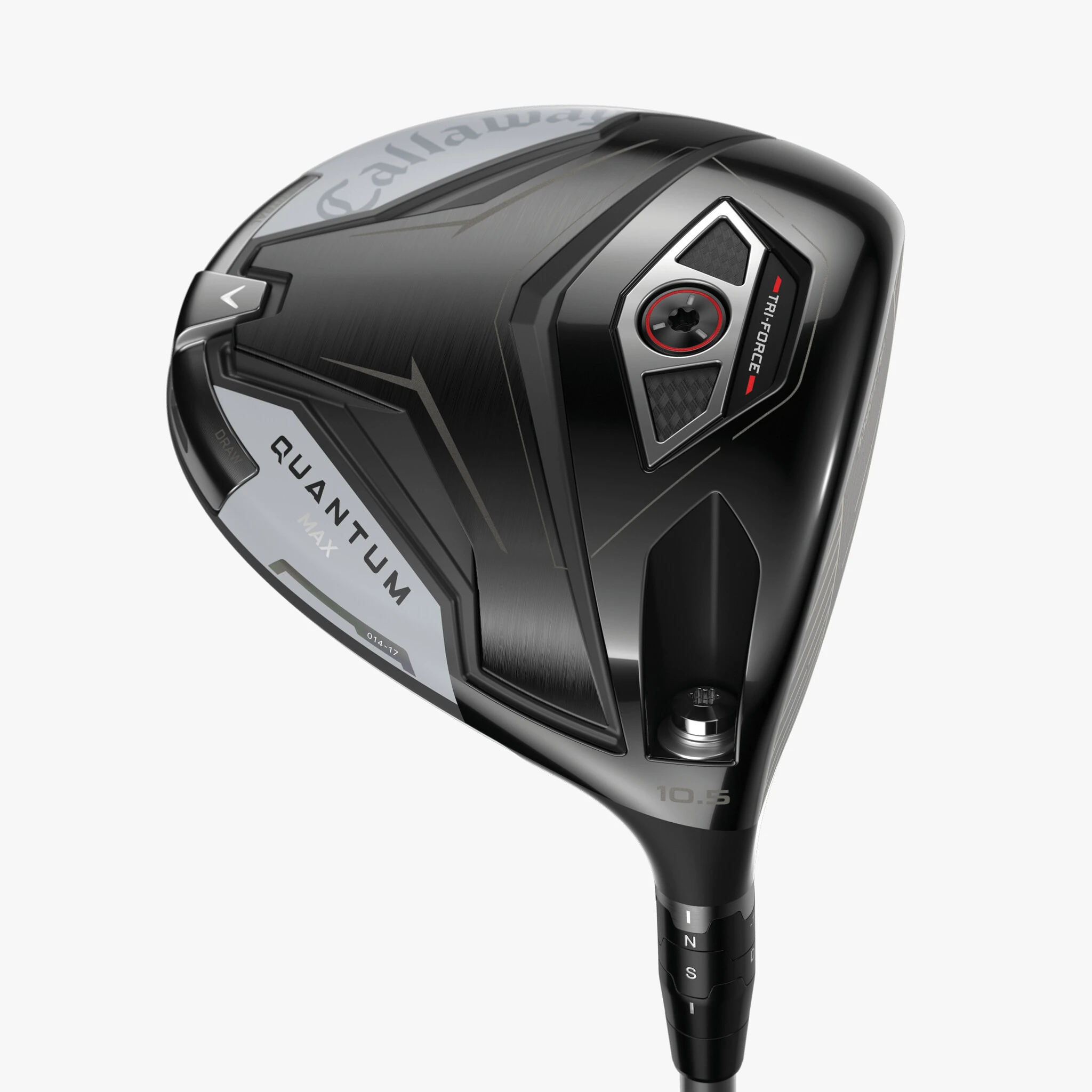
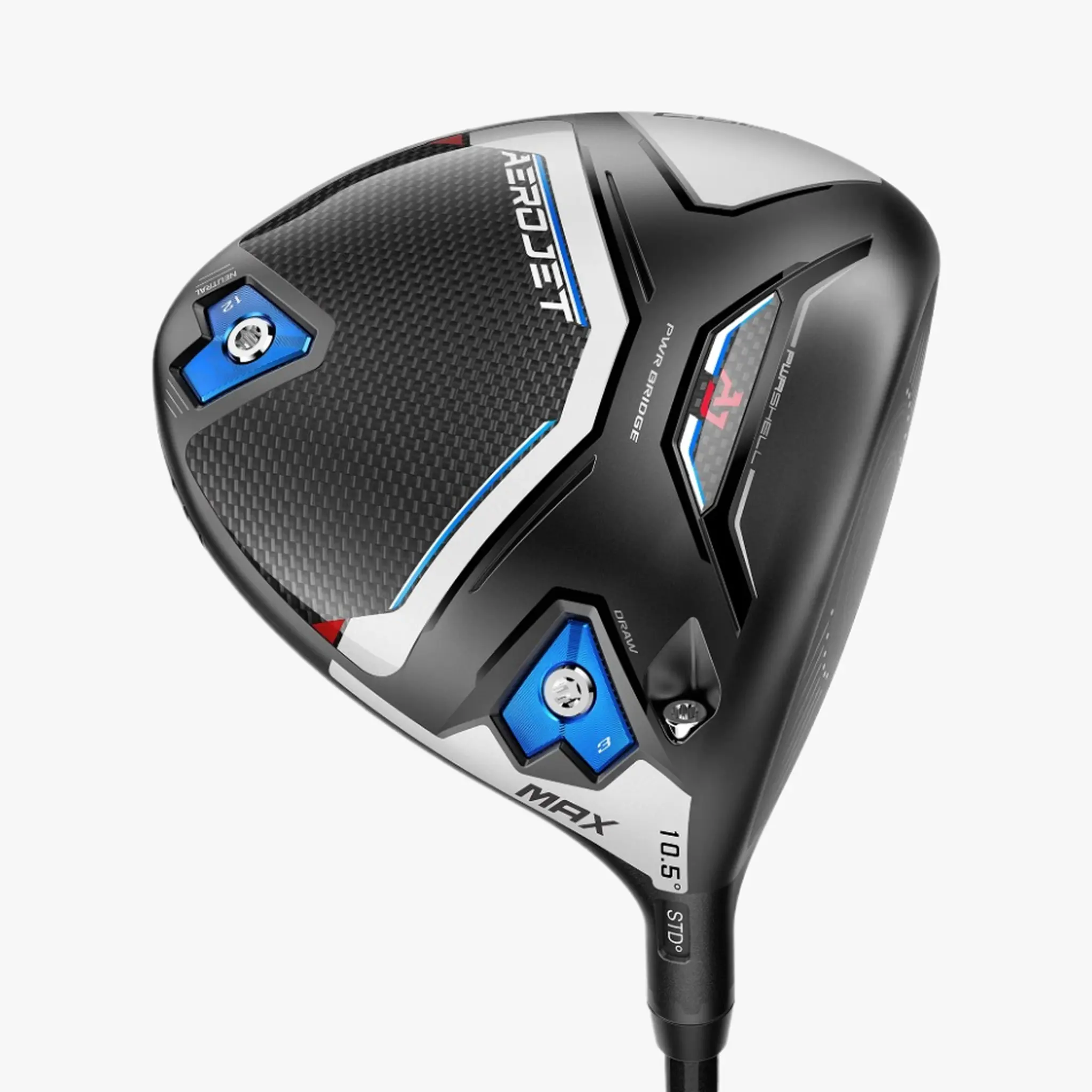
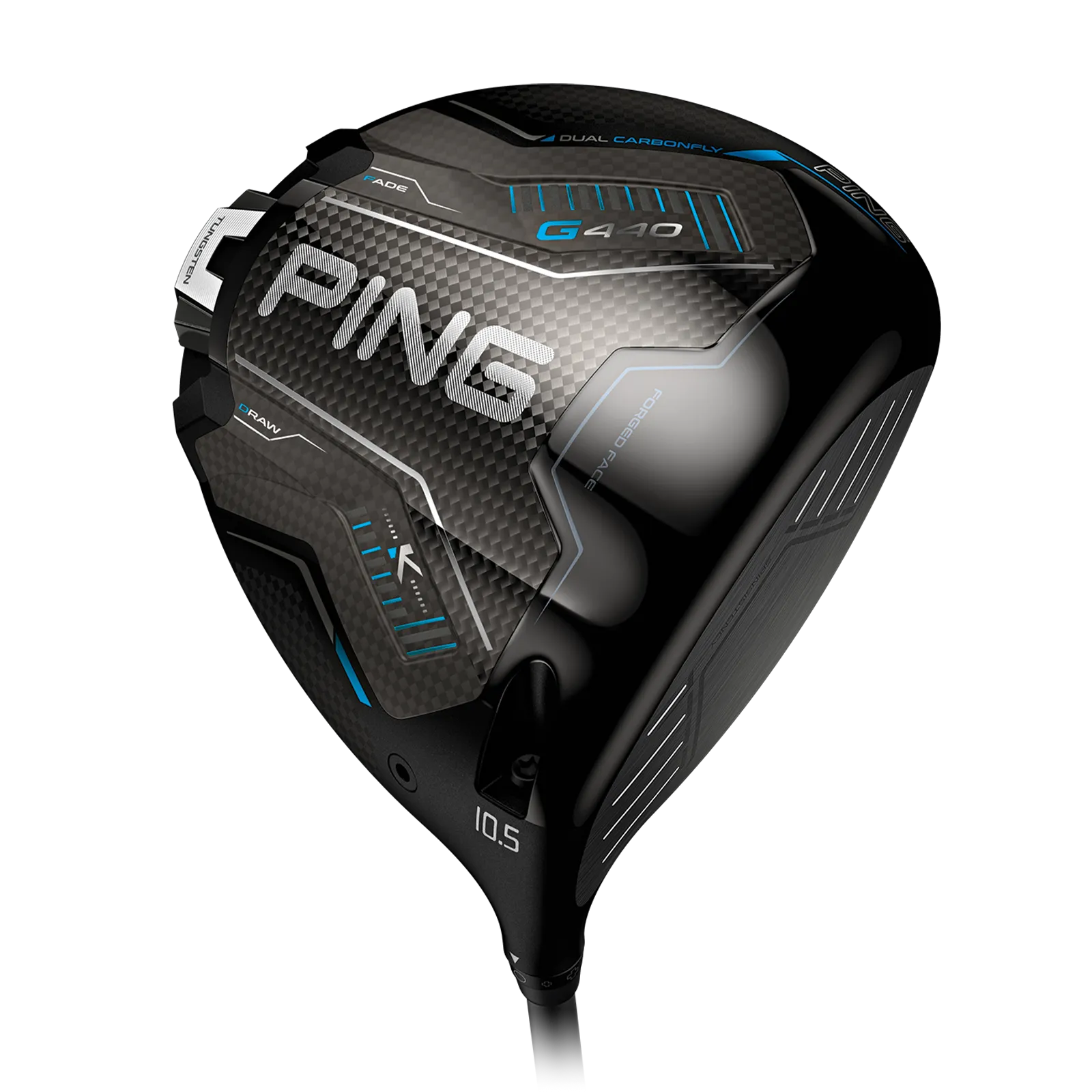
Every major driver for 2026, organized by player type. Max forgiveness, core all-around, low spin, draw bias, and lightweight — with top picks in each category.
Best Drivers for Slicers
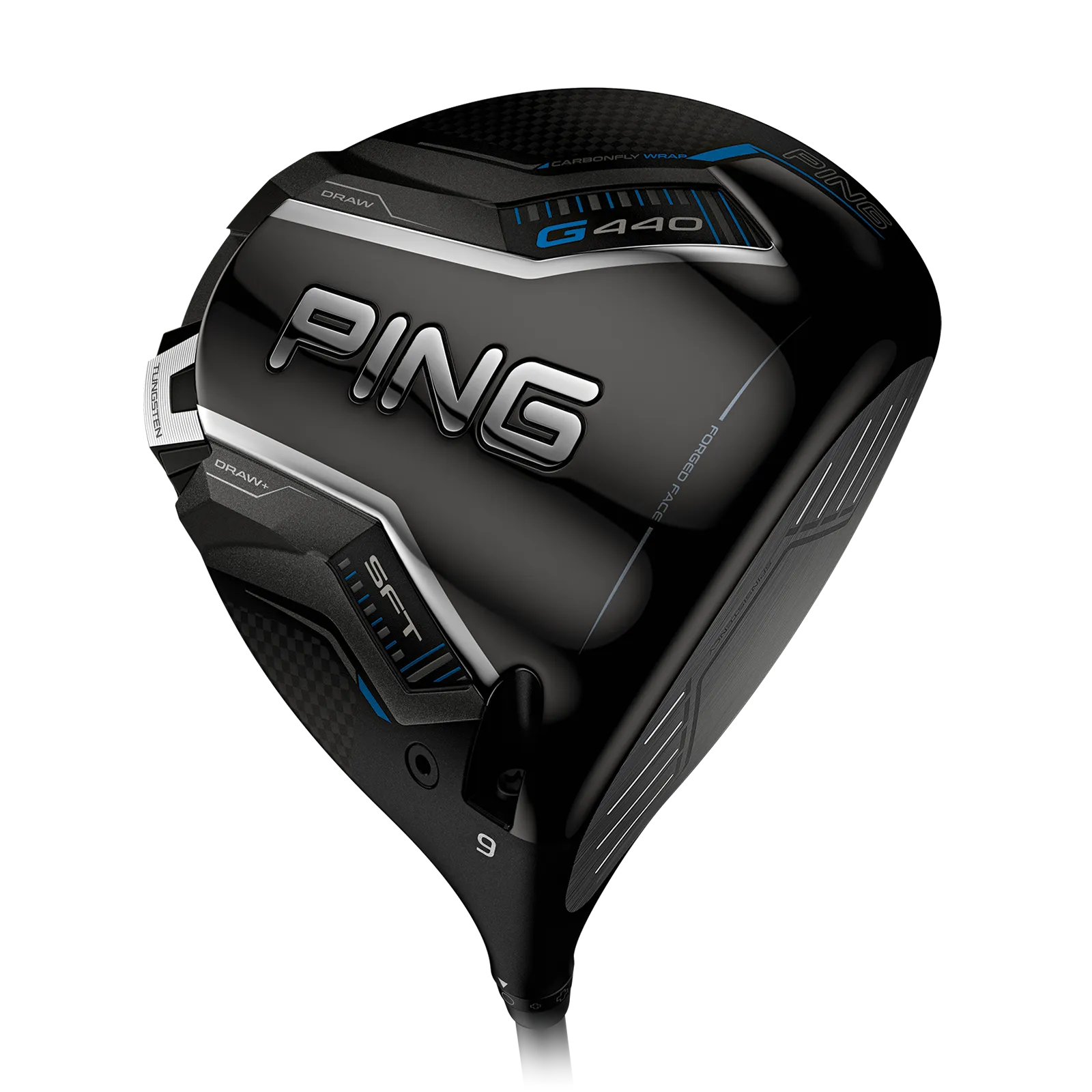
Draw-bias drivers won't fix a fundamentally broken swing, but they will keep you in play while you work on it. Here are the best options in 2026.
Best Golf Drivers for Seniors
Swing speed drops with age and that changes what a good driver looks like. Five picks covering lightweight shafts, high loft, and maximum forgiveness for every budget.
Ping G440 Max vs TaylorMade Qi10 Max
Both are best-in-class forgiveness drivers. The choice comes down to MOI vs. adjustability, sound preference, and brand loyalty. We break it all down.
Ping G440K vs G440 Max
Same price, same brand — but built for very different golfers. The K rewards consistent ball-strikers. The Max protects everyone else. Here's how to choose.
Ping G440K vs G430 Max
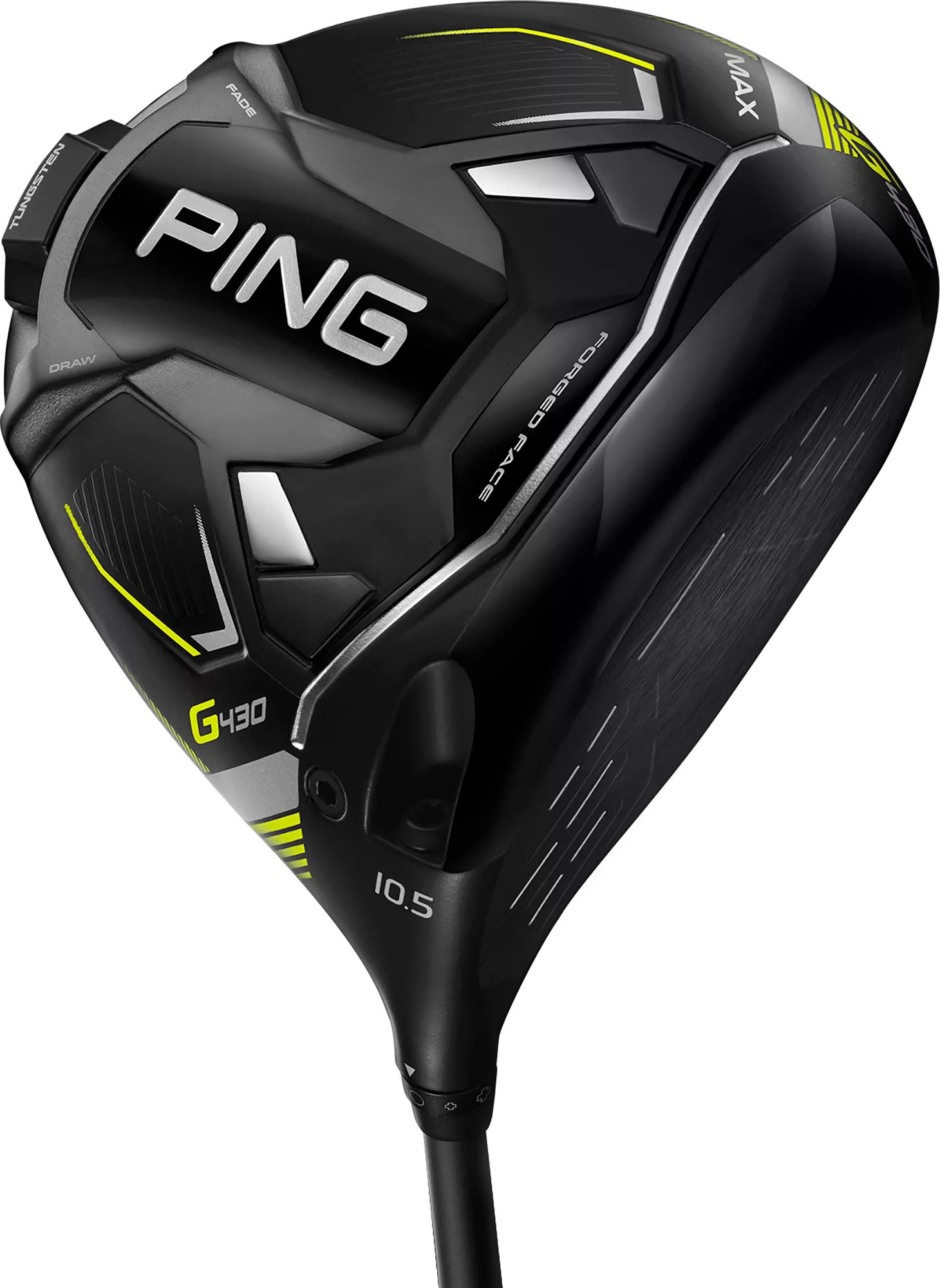
The G440K has a record 10,300 MOI and ~6 more yards of carry. The G430 Max costs ~$375 used. We break down every performance difference to tell you if the upgrade is worth $275 more.
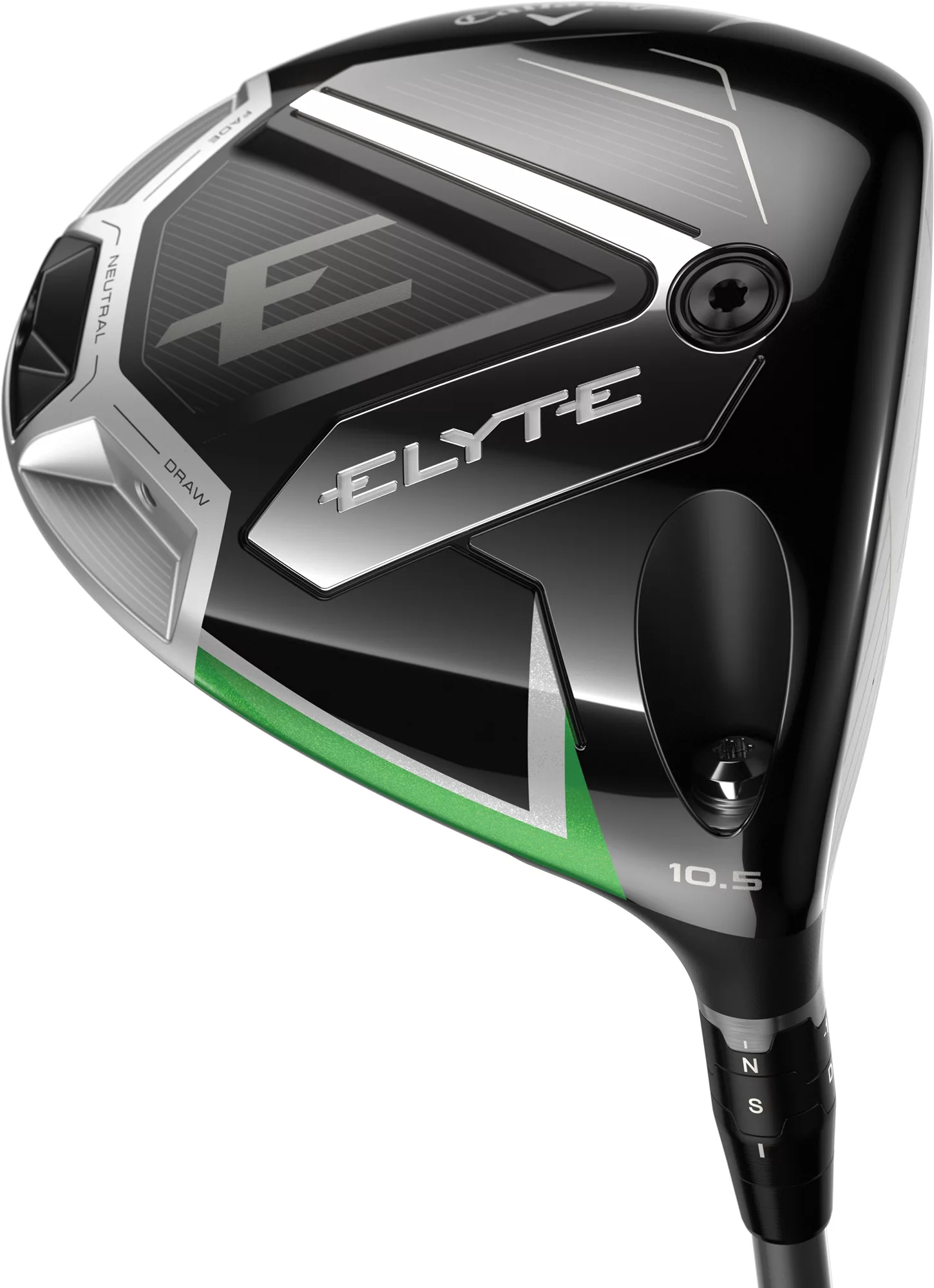
Callaway Quantum Max vs Elyte: Should You Upgrade?
The Quantum Max is Callaway's 2026 flagship with a new Tri-Force Face. The Elyte is 2025's best driver, now available used at $350–450. We break down the face tech, distance, and whether the price gap is worth it.
Callaway Elyte vs TaylorMade Qi4D Max
The two biggest current-gen forgiveness flagships head-to-head. Same $649 price. The Elyte adjusts; the Qi4D Max maximizes MOI with a 50g rear weight. Which one fits your swing?
Callaway Elyte vs Ping G440K
Both cost $649 and use carbon construction. The G440K has a record 10,300 MOI and higher launch. The Elyte has movable weights and AI-optimized ball speeds. Same price, very different philosophy.
Callaway Elyte vs TaylorMade Qi35: Which 2025 Driver Wins?
Two of the best 2025 drivers compared head-to-head on distance, forgiveness, adjustability, and value. Both are available used at $350–450. Find out which one belongs in your bag.
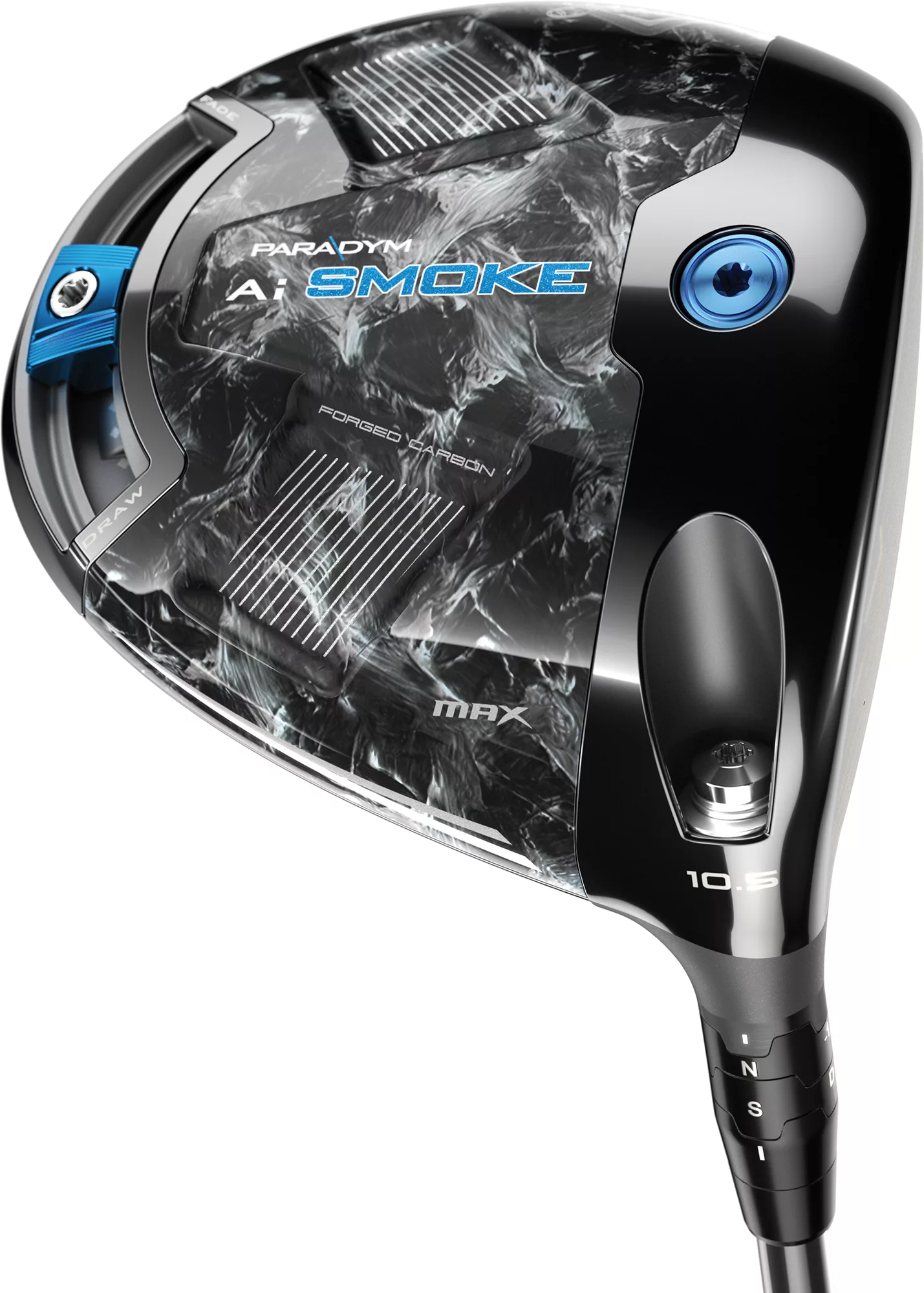
TaylorMade Qi10 Max vs Callaway Paradym AI Smoke Max
Both available used for $275–325. The Qi10 Max wins on MOI and price. The Paradym AI Smoke Max wins on adjustability and AI face ball speeds. The best two used driver values right now.
TaylorMade Qi35 Max vs Ping G440K
The two most aggressive max-forgiveness launches of 2026. Same $649 price. TaylorMade uses Twist Face correction; Ping publishes a record 10,300 MOI. Which philosophy fits your swing?
TaylorMade Qi35 Max vs Qi10 Max: Is the Upgrade Worth It?
The Qi35 Max is the 2026 replacement at $649 new. The Qi10 Max is available used for ~$275. Both have Twist Face and the Inertia Generator. We break down what changed — and whether the $375 gap is justified.
Ping G440 Max vs Callaway Quantum Max: Which Forgiveness Driver Wins?
Both are 460cc max-forgiveness drivers built for the same golfer. The G440 Max is $549 with an adjustable rear weight. The Quantum Max is $649 with a new Tri-Force Face and AI-optimized ball speeds. Here's how to choose.
Ping G440 Max vs G430 Max: Is the Upgrade Worth It?
The G440 Max is current-gen at $549 new with a carbon crown. The G430 Max costs ~$325 used. Same SureFit hosel, same movable weight — but one launches higher and carries farther. We break down the $225 gap.
Titleist GTS2 vs GTS3: Which New Titleist Driver?
Both cost $699 and share Speed Sync face tech — but one is 460cc high-launch and the other is 445cc with a 5-position weight track for low spin. Getting this choice wrong costs you real performance.
Titleist GTS2 vs GTS4: High Launch vs Low Spin
Both are 460cc at $699 — same size, same price, very different fits. The GTS2 launches high with max forgiveness. The GTS4 has a forward CG to kill spin for fast swingers who balloon the ball. Here's who should play which.
Titleist GTS3 vs GTS4: Adjustable CG vs Pure Low Spin
Both are $699 player's drivers — but the GTS3 has a 5-position weight track to dial in spin, while the GTS4 has a fixed forward CG for the lowest spin in the lineup. Same price, different tools for different problems.
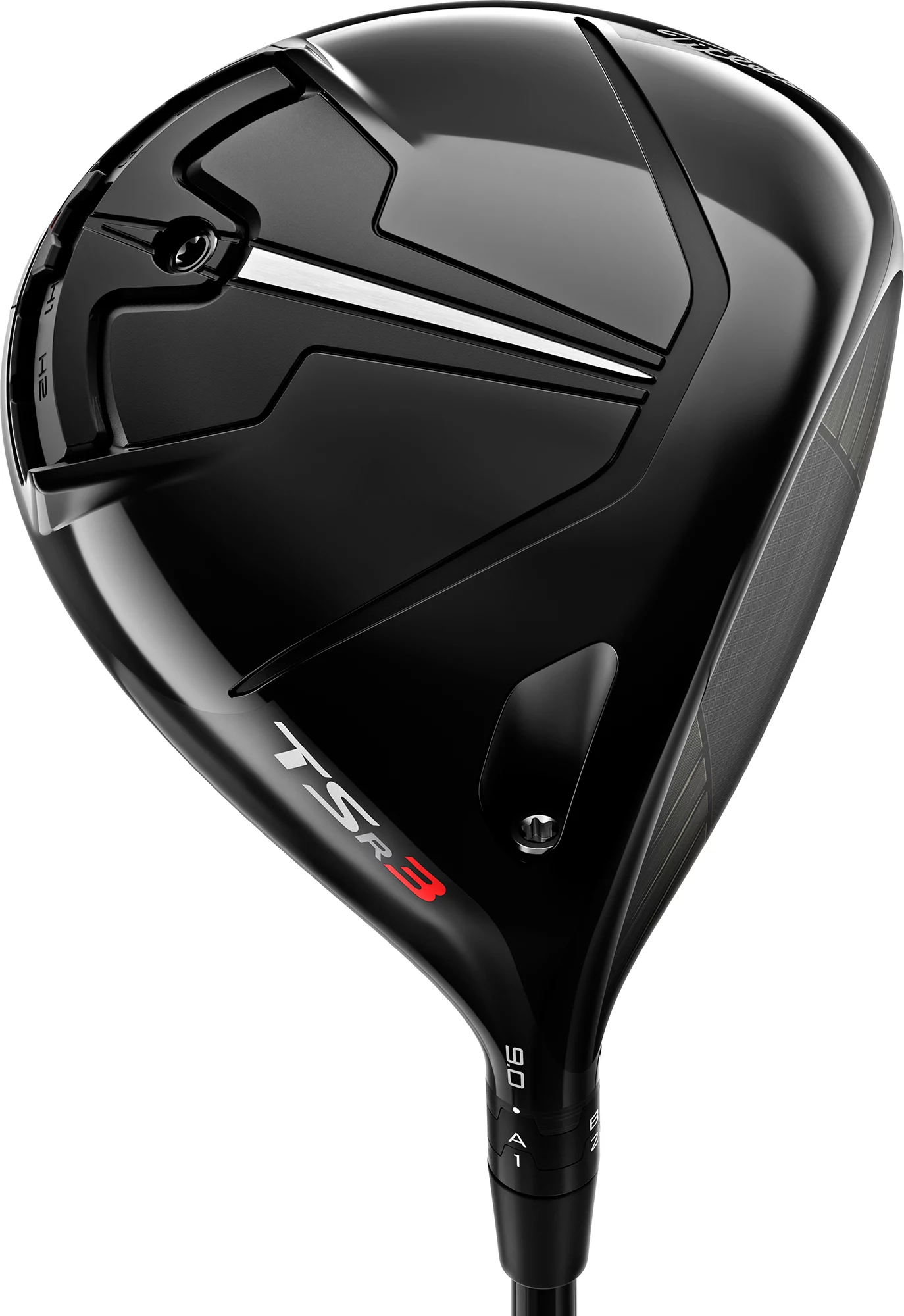
Titleist TSR3 vs GT3: New Driver or Best Used Buy?
The GT3 is current-gen at $649 new. The TSR3 is the previous generation at ~$275 used. Both have SureFit CG. We break down every performance difference to tell you whether the $375 upgrade gap is worth it.
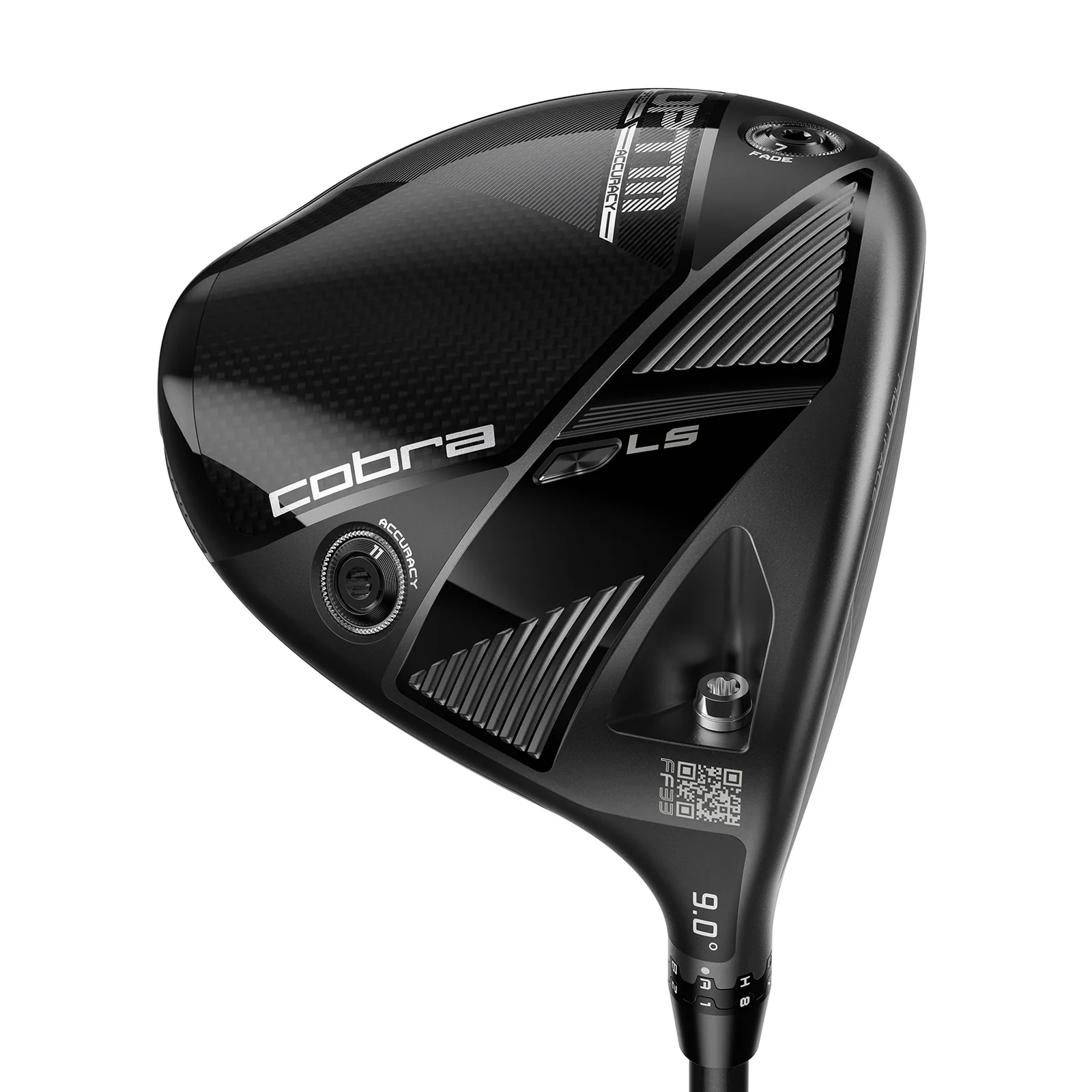
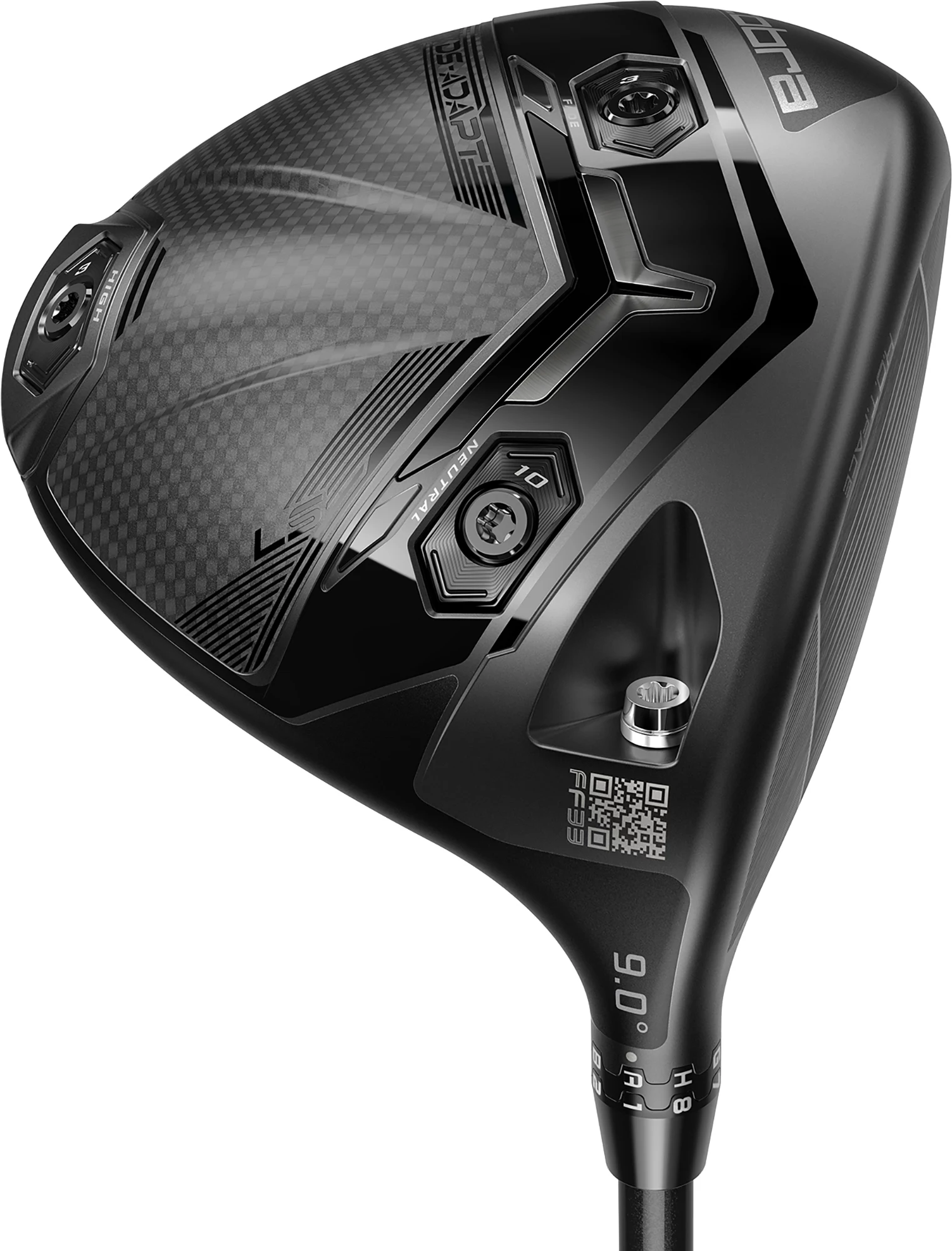
Cobra OPTM LS vs DS-ADAPT LS: Is the 2026 Low-Spin Upgrade Worth It?
Both are Cobra's low-spin driver for swing speeds above 100 mph. The OPTM LS is $549 new. The DS-ADAPT LS is ~$219 used. Same forward-CG, low-spin platform — we break down the real performance gap.
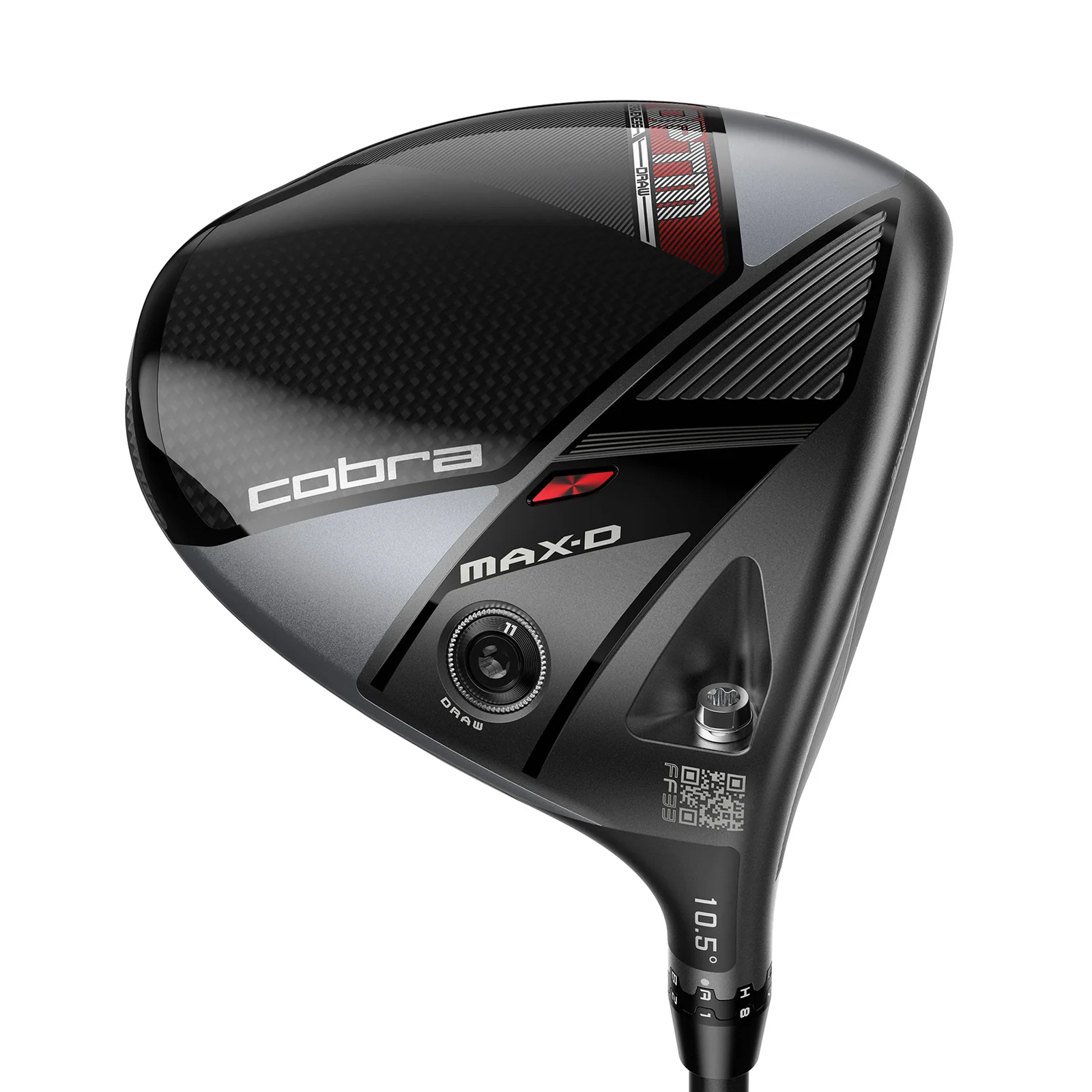
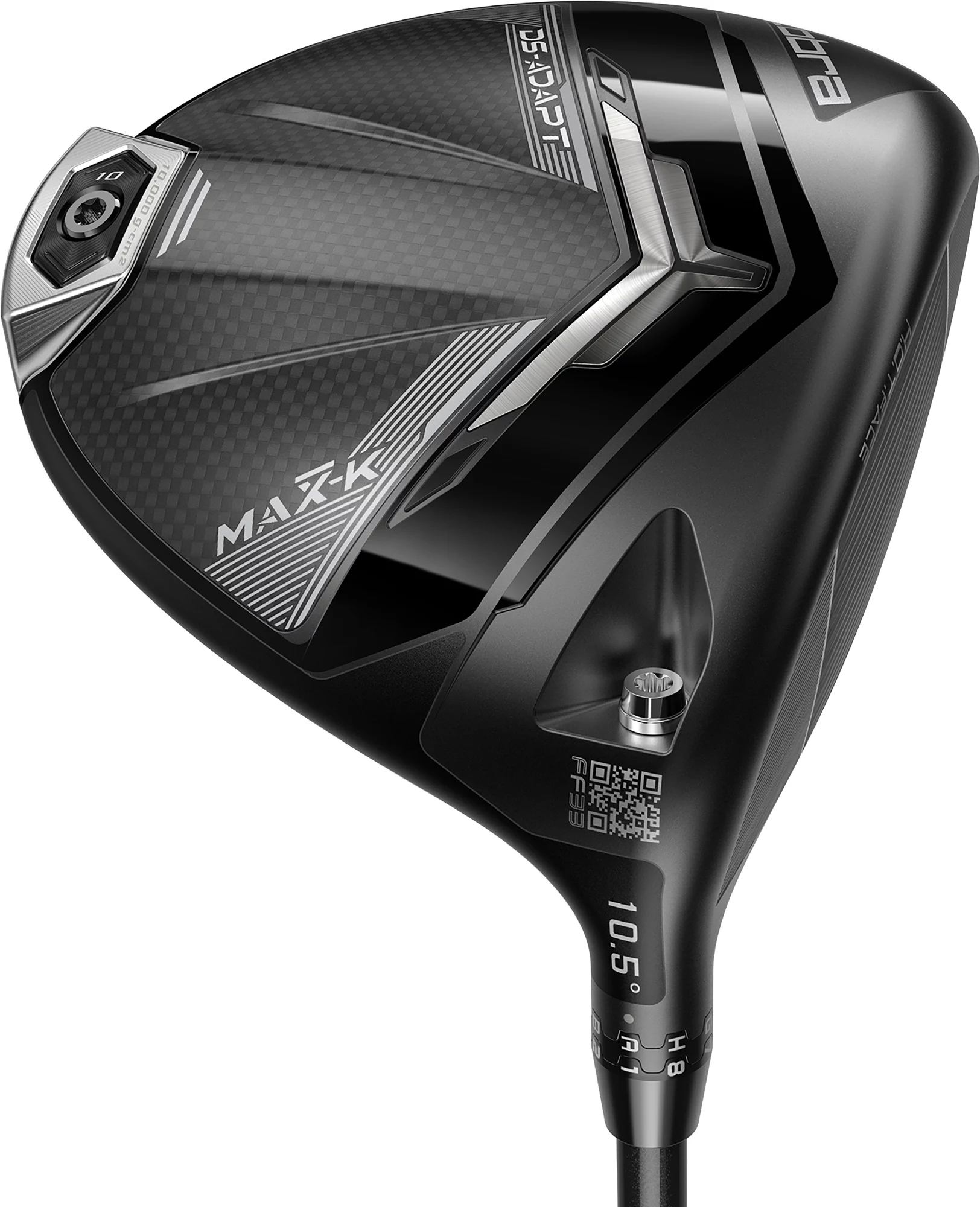
Cobra OPTM Max-D vs DS-ADAPT MAX-K: New Draw Bias vs Old Max Forgiveness
The DS-ADAPT had no draw-bias driver. Slicers defaulted to the MAX-K. The OPTM Max-D is what they actually needed — a fixed 11g heel weight that closes the face. Should you upgrade?
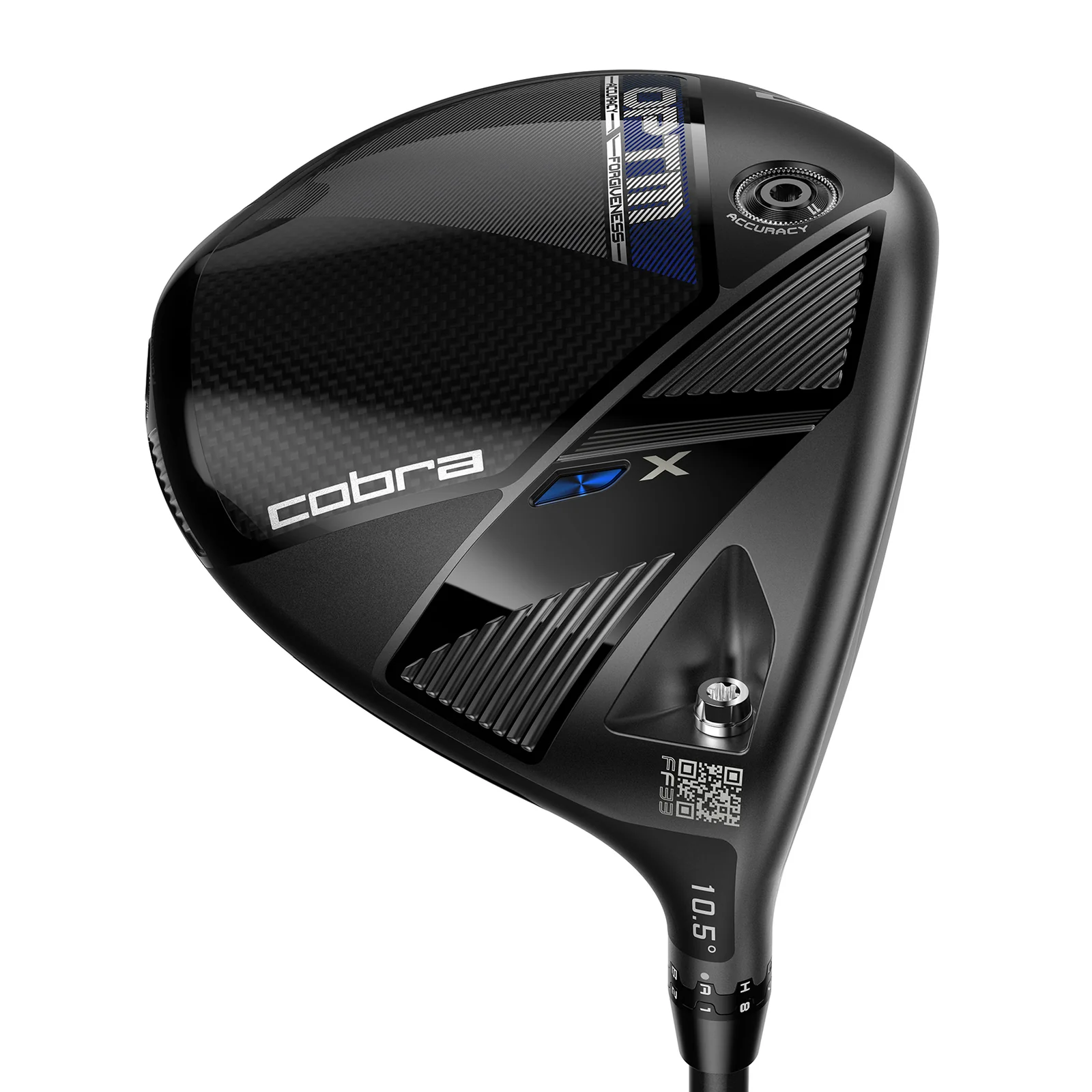
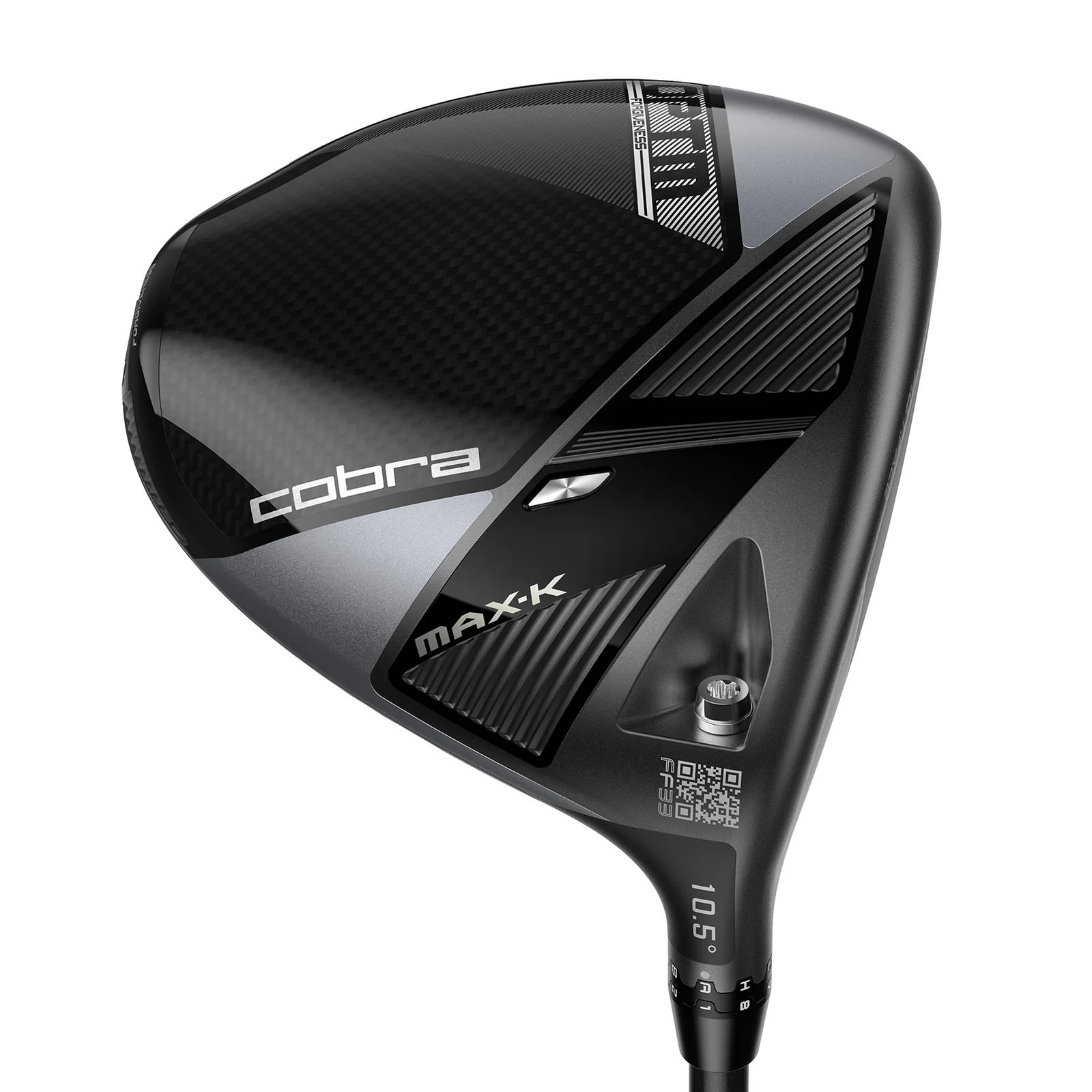
Cobra OPTM X vs OPTM Max-K: Which One Is Right for You?
Same generation, same price, same POI face technology. The OPTM X is the mid-launch all-rounder with forward CG. The OPTM Max-K has the highest MOI in the lineup for maximum forgiveness. It's a fitting decision.
Cobra OPTM Max-D vs OPTM Max-K: Draw Bias or Max Forgiveness?
Both are maximum-forgiveness heads at $549. The Max-D has a fixed 11g heel weight to eliminate a slice. The Max-K has the highest MOI in the lineup for pure stability. The difference is your miss pattern.
Cobra OPTM Max-K vs DS-ADAPT MAX-K: Is the Upgrade Worth It?
The OPTM Max-K is $549 new. The DS-ADAPT MAX-K is ~$249 used. Both are Cobra's max-forgiveness head with POI technology. We break down what changed and whether the $300 gap is worth it.
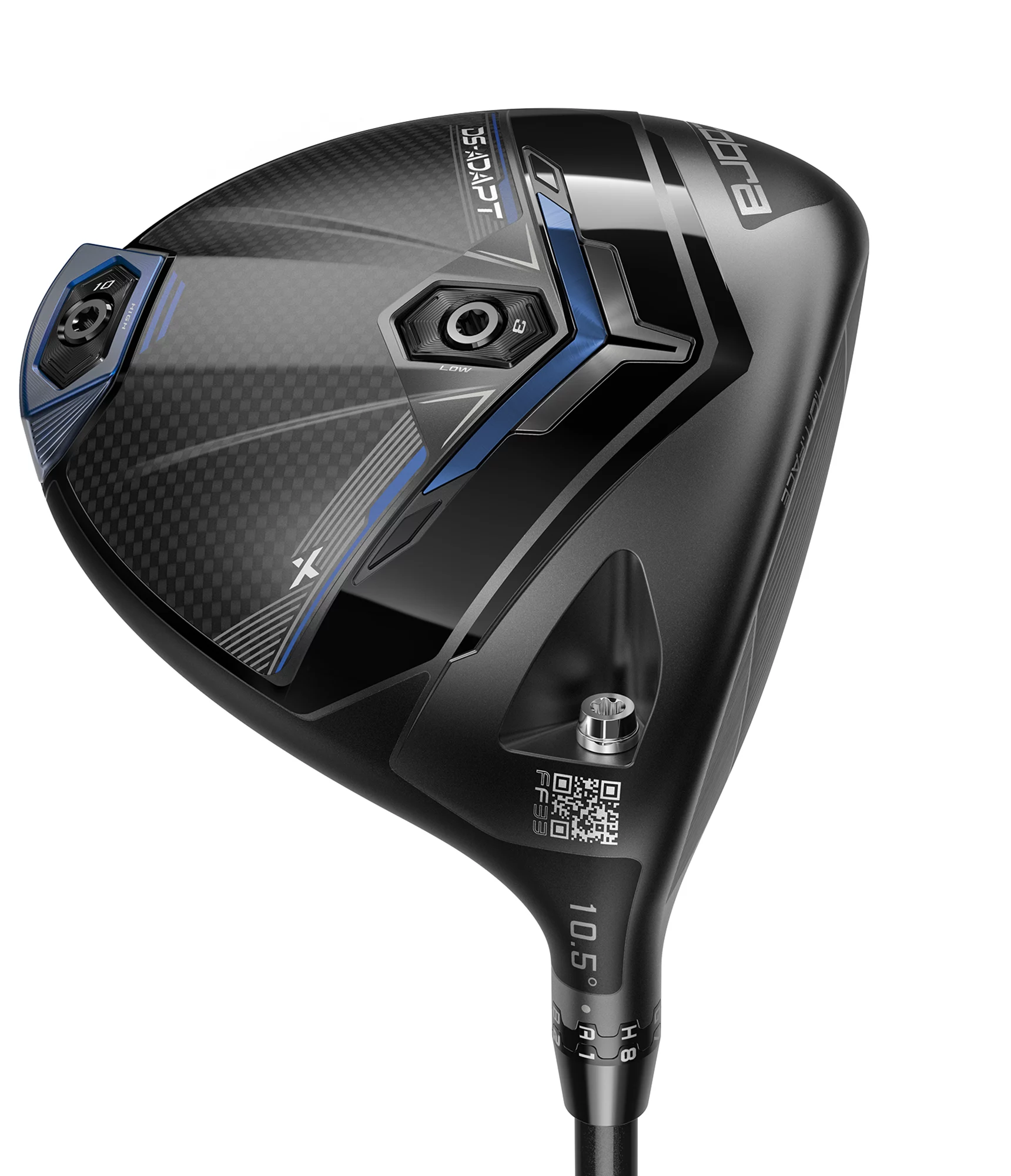
Cobra OPTM X vs DS-ADAPT X: Is the 2026 Upgrade Worth $330?
The OPTM X is $549 new. The DS-ADAPT X is ~$219 used. Both are Cobra's all-around mid-launch driver. Same POI technology, same FutureFit33 hosel — we break down the real performance gap.
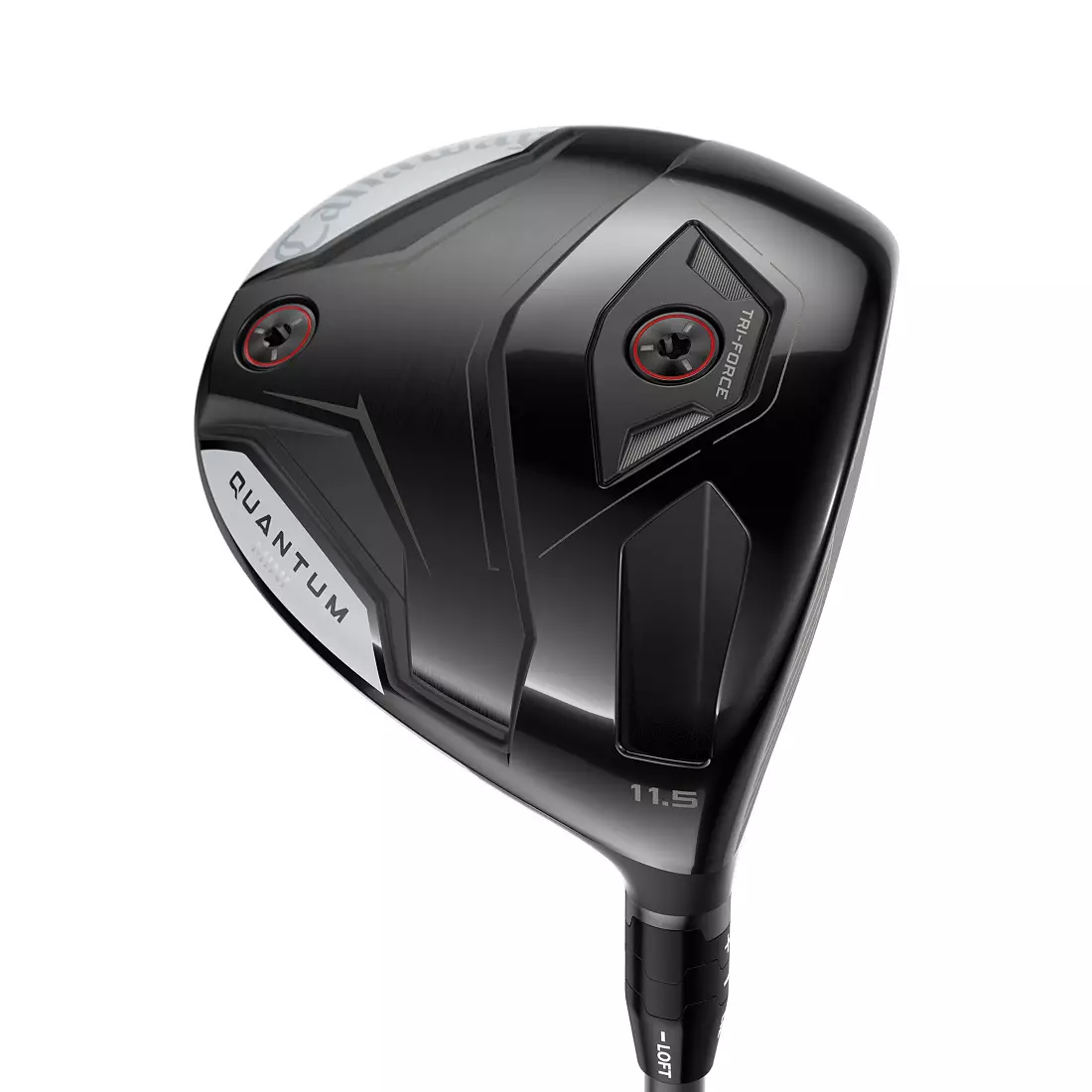
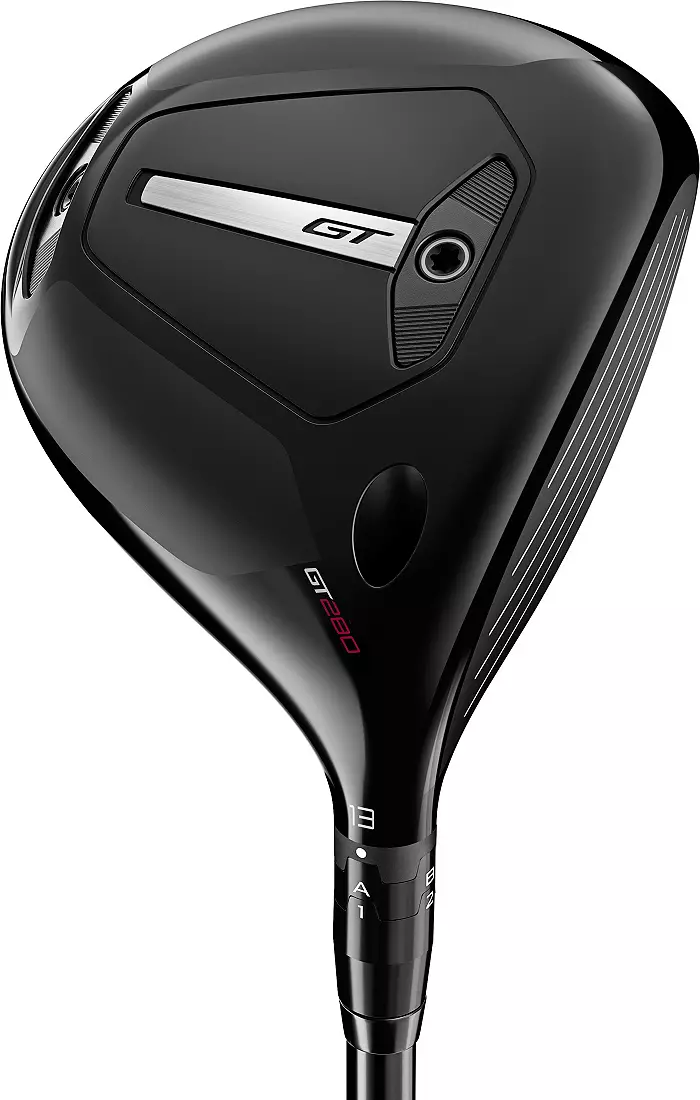
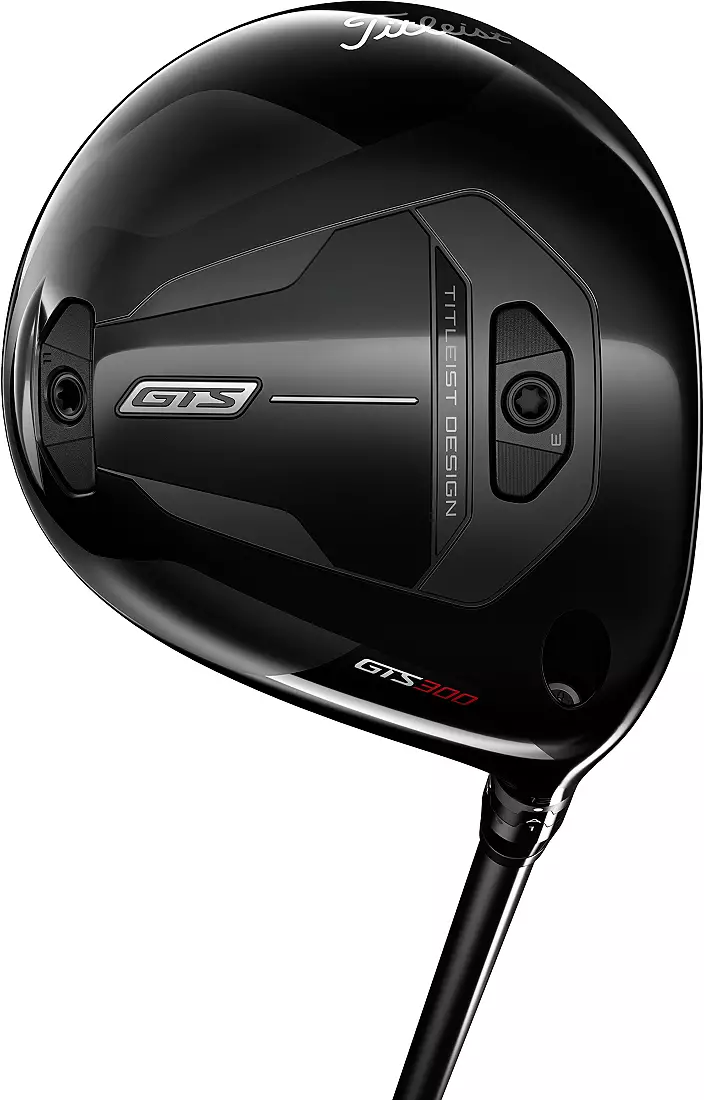
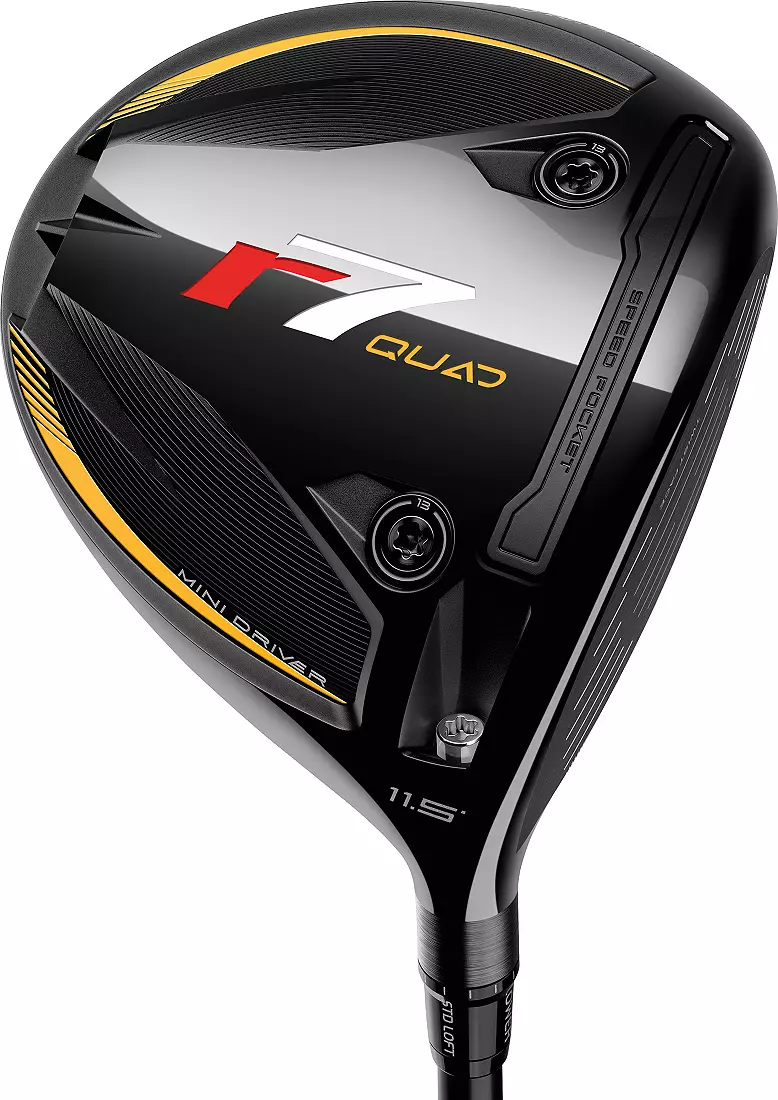
Best Mini Drivers 2026: Every Model Ranked by Use Case
All six current mini drivers ranked by use case: driver replacement, 3-wood alternative, spin control, shot shaping, and high launch. Callaway Quantum Mini, Titleist GT280 and GTS300, TaylorMade R7 Quad, Cobra KING TEC, and PXG Secret Weapon.
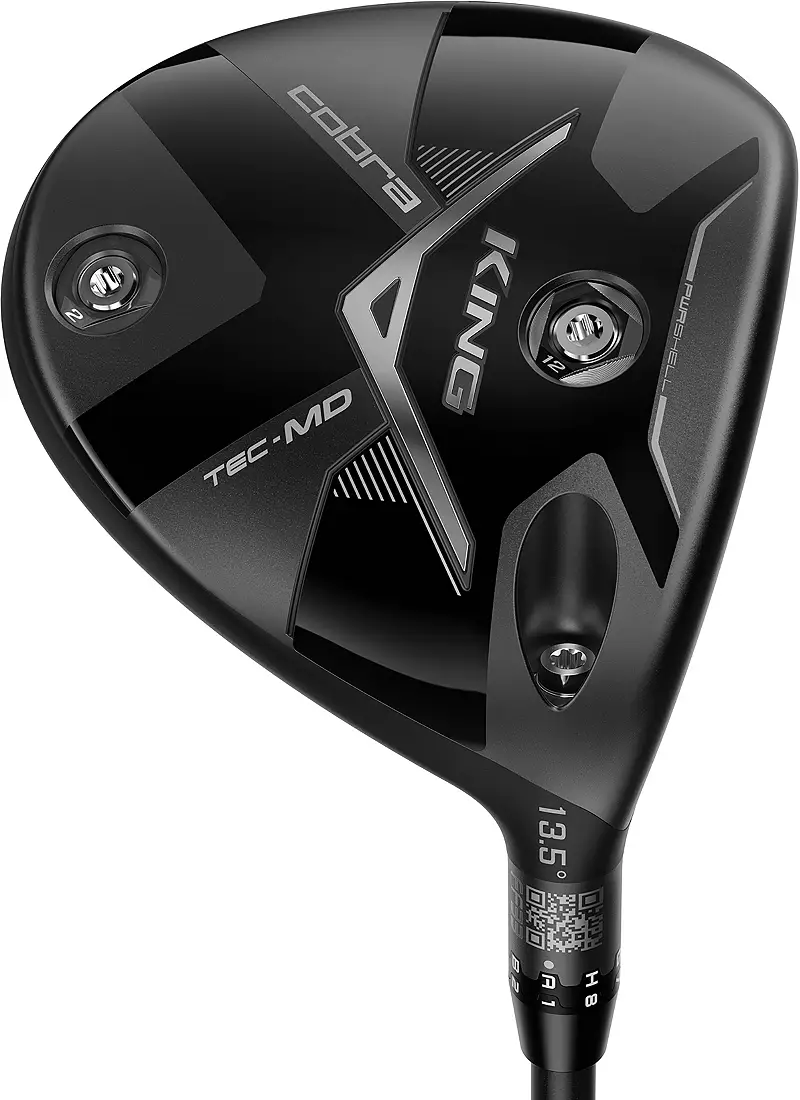
Mini Driver vs 3-Wood: Which One Should You Carry?
Mini drivers and 3-woods both live between your driver and irons — but they solve different problems. A mini driver is faster off the tee. A 3-wood is more versatile off the turf. Here's how to decide.
Callaway Quantum Mini vs Titleist GTS300 Mini: Driver Replacement Showdown
Both are positioned as driver replacements. The Quantum Mini is 340cc with maximum forgiveness. The GTS300 Mini is 305cc with dual weights and SureFit precision for faster swingers. Same price — different philosophy.
TaylorMade R7 Quad Mini vs Cobra KING TEC Mini: Spin Control Showdown
Both are ~300cc mini drivers built for spin reduction. The R7 Quad has 4 moving weight ports for maximum shot-shaping flexibility. The KING TEC uses a continuous speed face for a flat, penetrating, low-spin ball flight.
Titleist GT280 Mini vs GTS300 Mini: 3-Wood Alt or Driver Replacement?
Same brand, same SureFit DNA — different roles. The GT280 Mini at 280cc is built for fairway versatility and tight lies. The GTS300 Mini at 305cc is the driver replacement with dual weights and higher MOI.
Callaway Elyte vs Cobra Aerojet Max
Callaway's 2025 flagship against one of the best value drivers money can buy. Is the extra $250+ worth it? The answer depends entirely on who you are.
Best Used Golf Drivers Under $300 (2026)
The best used drivers you can buy for under $300 in 2026. Ping G430 Max, TaylorMade Qi10 Max, Callaway Paradym Ai Smoke, and more — ranked by performance and value.
TaylorMade Qi10 Max Review: Is It Still Worth Buying in 2026?
The Qi10 Max is still one of the best drivers you can buy used in 2026. 10,000 MOI, 60g Inertia Generator, available for ~$275. Full review and honest verdict on who it suits.
Ping G430 Max Review: Is It Still Worth Buying in 2026?
The G430 Max remains one of the most reliable drivers on the used market in 2026. 25g movable weight, SureFit hosel, ~$375 used. Full review and honest verdict.
Callaway Paradym Ai Smoke MAX Review: Is It Still Worth Buying in 2026?
The Paradym Ai Smoke MAX is available used for ~$250 in 2026. 14g sliding weight track, AI Smart Face, excellent forgiveness. Here's an honest verdict on whether it still holds up.
How to Choose the Right Driver
Know Your Swing Speed
Swing speed determines loft and shaft flex. Under 85 mph: 10.5–12° loft, senior/regular flex. 85–100 mph: 9.5–10.5°, regular/stiff flex. Over 100 mph: 9–10°, stiff/x-stiff flex. Getting this wrong costs you distance every single round.
prioritize Forgiveness or Workability
High MOI drivers (G440 Max, Qi10 Max) are more forgiving on mishits and suit mid-to-high handicappers. Low-spin, adjustable drivers (Qi10 LS, GT3) reward precise contact and suit skilled ball-strikers. Most recreational golfers should lean toward forgiveness.
Consider Shaft Flex Seriously
The shaft is as important as the head. An incorrectly flexed shaft — too stiff or too soft — produces inconsistent launch and spin regardless of how good the head is. Most off-the-shelf drivers come with stock shafts calibrated to average swings. A shaft fitting can unlock real gains.
Driver FAQs
What is the most forgiving driver in 2026?
The Ping G440 Max is widely regarded as the most forgiving driver available in 2026. Its extremely high MOI (moment of inertia) minimizes distance loss on off-center hits more effectively than almost any other driver on the market. The TaylorMade Qi10 Max is a close second with a slightly different sound and feel profile. Both are excellent choices for mid-to-high handicappers prioritizing forgiveness over workability.
What driver loft should I use?
Most recreational golfers should use more loft than they think. Players with swing speeds under 95 mph typically benefit from 10.5° or higher — more loft reduces spin-robbing low strikes and gets the ball airborne more easily. Fast swingers above 105 mph can often manage with 9° or 9.5°. If you have access to a launch monitor, optimize for a launch angle of 12–15° and spin rate of 2000–2500 rpm for maximum carry.
Does an expensive driver make a difference?
Yes, but with diminishing returns. The gap between a $200 driver from 2022 and a $600 driver from 2026 is real — materials, aerodynamics, and face technology have improved meaningfully. But the gap between a $400 driver and a $600 driver from the same year is much smaller. For most golfers, buying last year's premium driver at a discount delivers better value than paying full price for the current flagship.
What driver should a slicer buy?
A draw-bias driver significantly helps golfers who struggle with a slice. Models like the Ping G440 SFT, TaylorMade Qi10 Max D, and Cobra Aerojet Max are engineered with weight positioned toward the heel to promote a right-to-left ball flight. They won't fix a fundamentally broken swing, but they will keep more drives in play while you work on your technique.
How do I know when to replace my driver?
Most drivers have a performance lifespan of 5–7 years before the face technology is meaningfully outdated. If your current driver is more than 5 years old, modern aerodynamics and face materials will likely give you a real gain in ball speed and distance. The other clear trigger is visible face damage — cracks, deep dents, or delamination — which degrade performance immediately.
Want a personalized driver recommendation?
Take our free 60-second driver fitting quiz. Answer 6 questions and we match you to the right driver for your swing speed, miss tendency, and budget.
Free · No signup · Takes 60 seconds