
- +Your driver swing speed is 80–100 mph
- +You prefer a soft, cushioned feel off the putter
- +Your handicap is 10 or above
- +You want a urethane tour ball without the $54 price tag
- +You play TaylorMade irons and want a matched ball ecosystem
- +Your swing speed is consistently above 90–95 mph
- +Short-game spin is central to how you score
- +You play in windy conditions regularly
- +Your handicap is below 12 and you can exploit tour ball advantages
- +Trajectory consistency in all conditions matters to your game
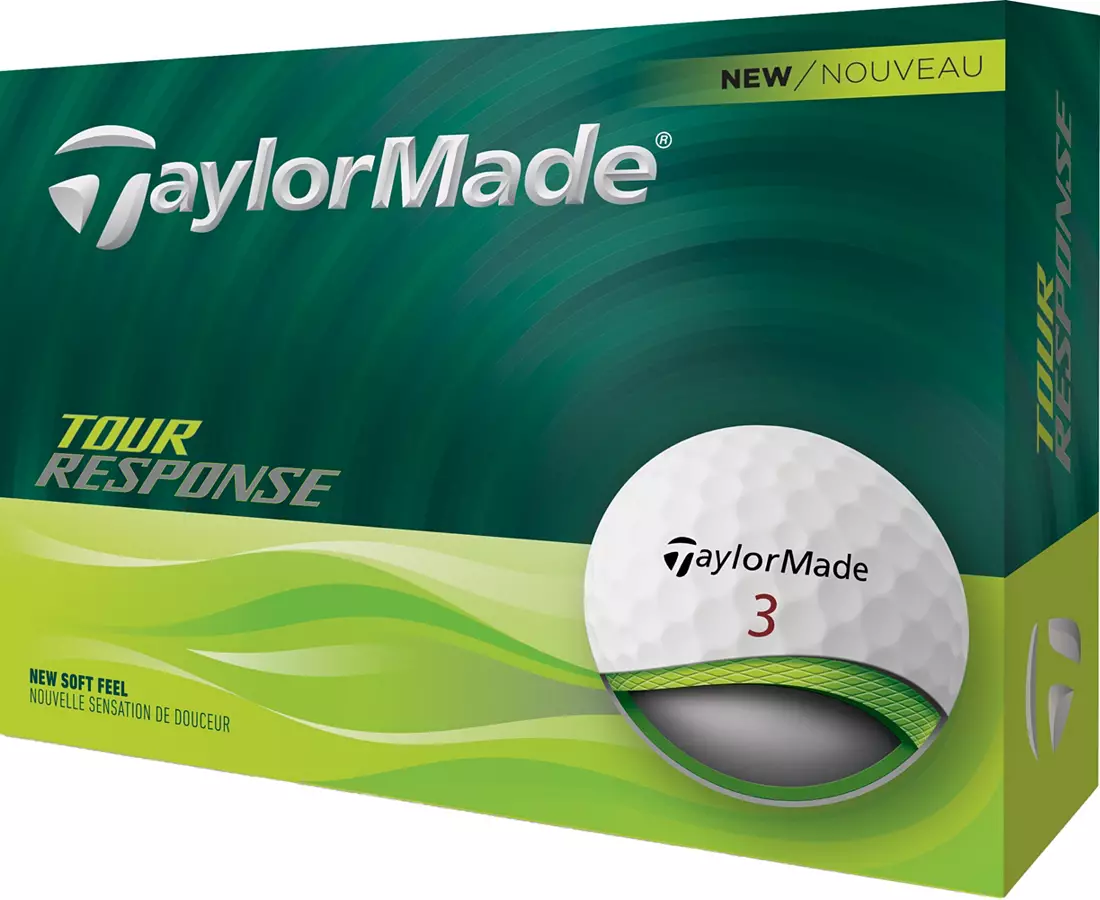
Where the Tour Response sits in TaylorMade's lineup: The Tour Response is TaylorMade's mid-tier urethane ball — above the ionomer Tour Soft, below the 5-piece TP5. It is not a stripped-down tour ball. It is a genuine 3-piece urethane design priced to compete with the Snell PR3, Srixon Q-Star Tour, and Maxfli Tour. If you want the full TP5 experience, that is a different ball at a different price. This is TaylorMade's answer to golfers who want urethane without the full-premium commitment.
Specs at a Glance
| Spec | Tour Response | Pro V1 |
|---|---|---|
| Construction | 3-piece | 3-piece |
| Cover | Cast Urethane | Urethane Elastomer |
| Core | Speed-Layer System | ZG Process Dual Core |
| Compression | ~70 | ~90 |
| Feel | Soft | Soft-Medium |
| Driver Launch | Mid-High | Mid |
| Driver Spin | Mid | Low-Mid |
| Wedge Spin | High | Very High |
| Swing Speed Range | 80–100 mph | 85–105+ mph |
| Price (2026) | ~$35/dozen | ~$54/dozen |
Head to Head
Feel
Edge: Tour Response (softness), Pro V1 (feedback)Tour Response
At compression 70, the Tour Response is noticeably softer than the Pro V1. Off the putter it has a muted, cushioned sensation that mid-handicap golfers who prioritize feel over feedback consistently prefer. On short irons and chip shots, the cast urethane cover communicates contact clearly without the crisp, firm click of a higher-compression tour ball. Golfers who find the Pro V1 too firm — or who are coming from an ionomer ball — will find the Tour Response a comfortable step up.
Pro V1
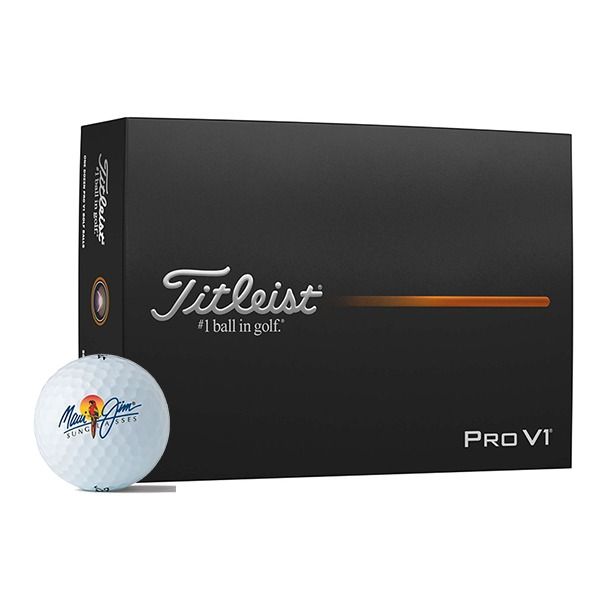
The Pro V1 sits at compression 90, which is meaningfully firmer than the Tour Response. Off the putter it still feels soft by tour ball standards, but there is a distinct responsiveness that better players value — the ball tells you exactly where you caught it. On wedge shots and chips, the urethane elastomer cover provides an immediate, precise feedback at impact. The Pro V1's feel is less about softness and more about information.
Distance Off the Driver
Edge: Pro V1 (100+ mph, wind), Tie (85–100 mph calm)Tour Response
The Tour Response compression of 70 suits the 80–100 mph swing speed window well. In that range, it compresses fully and produces a mid-high launch with solid ball speed that holds its own against the Pro V1. The slightly higher launch helps carry distance for golfers who tend to keep the ball low. From 85–100 mph, the Tour Response typically sits within 3–5 yards of the Pro V1 in carry — a gap most recreational golfers will never notice on the course.
Pro V1
The Pro V1 produces a lower, more penetrating ball flight that holds up better in wind and plays more predictably across varying conditions. Its distance advantage over the Tour Response grows above 100 mph where the firmer compression returns more ball speed. In calm conditions at 85–95 mph the two balls are effectively even on distance. In wind, the Pro V1's lower trajectory is a meaningful advantage.
Short Game and Greenside Spin
Edge: Pro V1Tour Response
The Tour Response's cast urethane cover generates competitive greenside spin — well above an ionomer ball and genuinely close to a mid-range tour ball on chips and pitches. From inside 80 yards, it bites and stops reliably. Where it gives a little ground to the Pro V1 is on full wedge shots from 100–130 yards, where the softer compression yields slightly less aggressive bite on approach shots. For most mid-handicap golfers, the difference is smaller than their wedge contact variation.
Pro V1
The Pro V1's urethane elastomer cover is the reason it has been the world's best-selling tour ball for two decades. On full wedge shots it generates more spin than the Tour Response, producing a steeper descent and sharper check on firm greens. On delicate chips and pitches, the soft cover grips the grooves at low speed and delivers reliable, repeatable spin. If short-game control is your primary reason for playing a premium ball, the Pro V1 is the correct choice.
Wind Performance
Edge: Pro V1Tour Response
The Tour Response's mid-high launch works well in calm to mild conditions but shows its limits in strong wind. The softer compression and higher launch profile means the ball moves around more in a crosswind than a lower-spinning, lower-launching option. For golfers who play sheltered courses or live in calm climates, this is a non-issue. For anyone who regularly plays exposed or links-style courses, the Pro V1's wind performance is a genuine advantage.
Pro V1
The Pro V1's low, penetrating trajectory is purpose-built for consistency in real-world conditions. In wind it drifts less in crosswinds, carries more predictably, and gives you a better sense of how far the ball will actually travel. This is one of the categories where the Pro V1 premium is most defensible — not because the Tour Response is bad, but because wind makes small trajectory differences compound into meaningful ones.
Value
Edge: Tour Response — $19 per dozen every orderTour Response
At approximately $35 per dozen, the Tour Response is $19 cheaper than the Pro V1. TaylorMade produces it as a mid-tier offering alongside the premium TP5 lineup — it is not a value ball dressed up as a tour ball, but a genuine 3-piece urethane design priced to compete with Snell, Maxfli, and Srixon's value-tier options. Play once a week and buy a dozen a month and you save $228 per year versus the Pro V1. For a recreational golfer, that is meaningful.
Pro V1
The Pro V1 costs approximately $54 per dozen and the premium reflects real performance differences as well as Titleist's R&D, tour validation, and market position. For the golfer who plays competitive golf and demands every marginal advantage, the price is defensible. For the recreational golfer who plays for enjoyment, the $19 premium per dozen is an ongoing cost for advantages that may not show up in their scores.
What Does $19 More Per Dozen Actually Buy You?
The Pro V1 costs $54 per dozen. The Tour Response costs $35. Play once a week and buy a dozen a month and you are spending $228 more per year on Pro V1s. Two dozen a month and that gap is $456 — which is a fitting session, a new wedge, or a round at a bucket-list course.
The $19 premium buys you: sharper wedge spin on full approach shots, a lower and more consistent trajectory in wind, the most refined urethane cover in the market, and the confidence of the most validated tour ball in history. Those are real advantages — but they are advantages that show up most clearly below a 12 handicap and above 90 mph.
Per Dozen
$19 more
Per Month (1 dozen)
$228/year more
Per Month (2 dozen)
$456/year more
Our Verdict
The Tour Response punches above its price in feel and distance for golfers in the 80–100 mph range. Its soft feel off the putter, genuine urethane short-game spin, and competitive distance are more than most mid-handicappers will need from a golf ball.
The Pro V1 is better — mainly on full wedge spin, wind trajectory, and feedback consistency. But those advantages compound most clearly once you're regularly shooting in the 70s and your misses are small enough that spin and trajectory differences actually change your score.
Where to Buy
Frequently Asked Questions
Is the TaylorMade Tour Response as good as the Titleist Pro V1?
For mid-handicap golfers in the 80–100 mph range, the Tour Response is genuinely competitive. Both are 3-piece urethane balls with similar feel profiles and strong greenside spin. The Pro V1 has a measurable edge in full-wedge spin and wind performance, but for most recreational golfers those advantages do not show up meaningfully in their scores. The Tour Response delivers 85–90% of the Pro V1's performance at 65% of the price.
What compression is the TaylorMade Tour Response?
The TaylorMade Tour Response has a compression of approximately 70, making it noticeably softer than the Pro V1 at compression 90. It is designed for swing speeds from 80 mph through 100 mph, where the lower compression core compresses fully and returns good ball speed. Above 100 mph, the softer core begins to give back ball speed compared to firmer alternatives like the TP5 or Pro V1.
What is the difference between the Tour Response and the TP5?
The Tour Response is a 3-piece ball at compression 70 designed for 80–100 mph swing speeds. The TP5 is TaylorMade's flagship 5-piece tour ball at compression 85, designed for 90–105+ mph players who need maximum distance and spin control. The Tour Response is softer, more accessible, and $20 cheaper. The TP5 is the premium option for faster swingers who want the absolute top of TaylorMade's ball technology.
Where can I buy the TaylorMade Tour Response?
The Tour Response is available at most major golf retailers, sporting goods stores, and online via Amazon. Unlike the Snell PR3 which is direct-to-consumer only, the Tour Response is widely stocked and easy to pick up at a pro shop or on the way to the course.
Is the Tour Response good for a mid-handicapper?
Yes — it is one of the best value options for mid-handicappers in the 80–100 mph range. It delivers the urethane feel and greenside spin that a mid-handicapper benefits from, without the $54 Pro V1 commitment. For a handicap 10–20 golfer, the Tour Response is a genuine performance upgrade over ionomer balls at a price that makes sense.