Golf Ball Reviews & Buying Guides
Buying guides, head-to-head comparisons, and honest reviews for every type of golfer. No sponsored rankings. Just clear analysis of which balls perform and why.
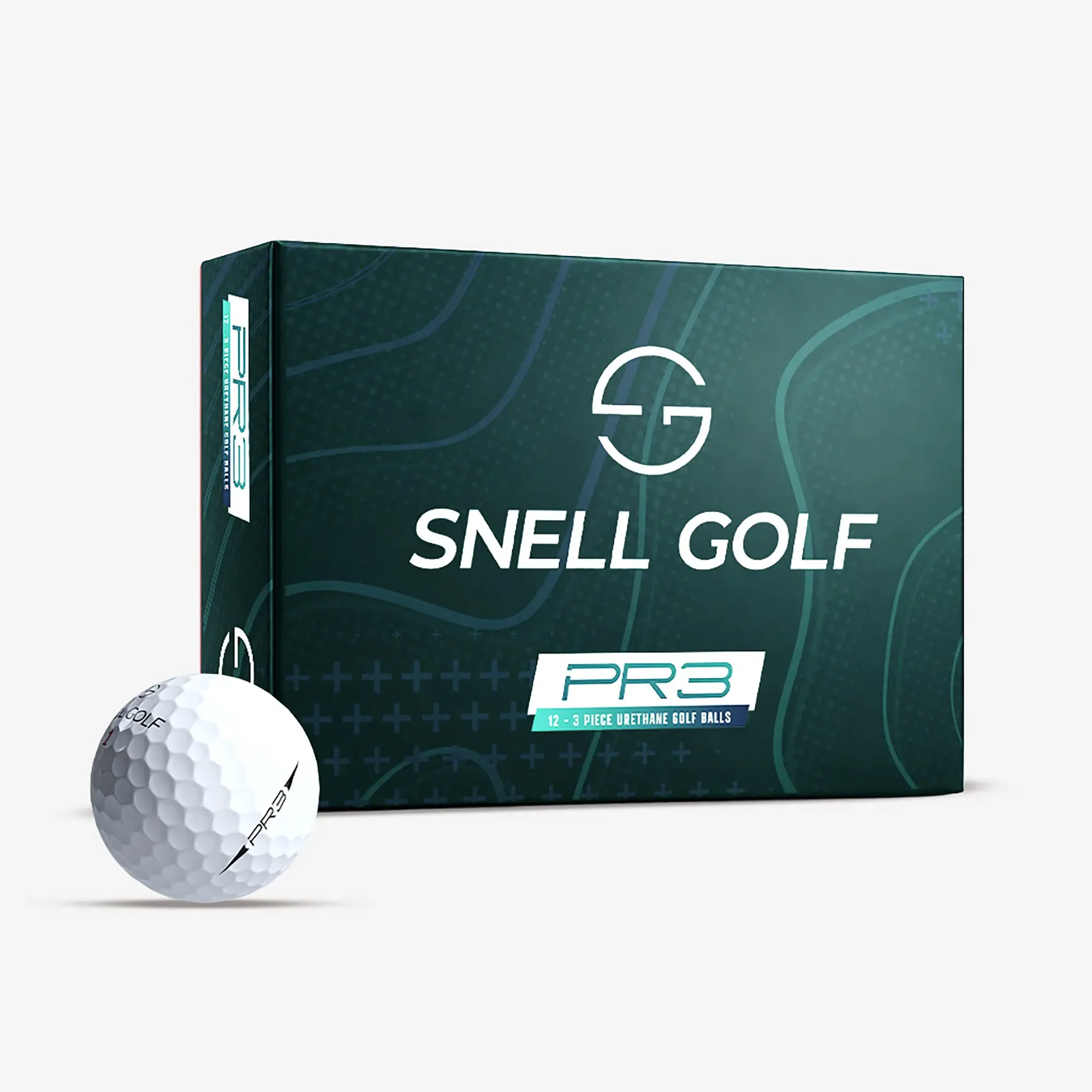
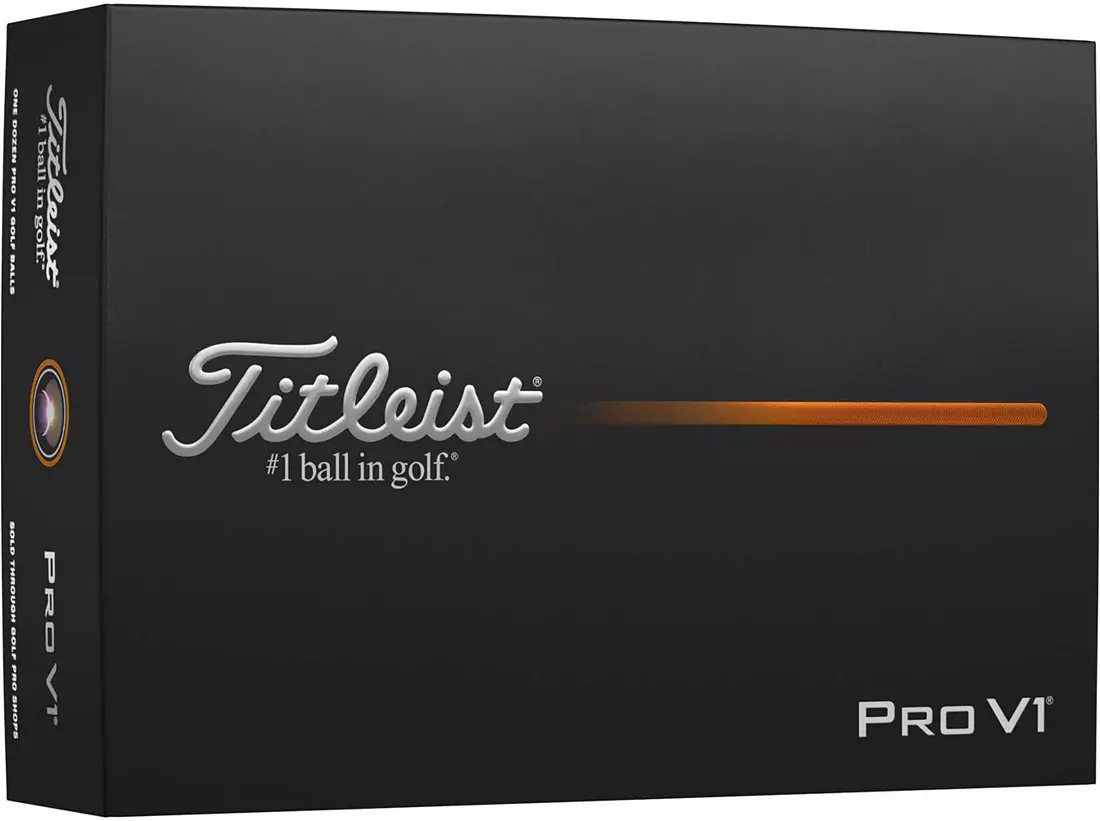
Snell Golf Balls vs Pro V1: Same Construction, $15 Less Per Dozen
Dean Snell engineered the Pro V1 at Titleist. His own balls use the same urethane construction and sell for $38/dozen. Here's who should switch and who should stay.
Best Golf Balls for High Handicappers and Beginners (2026)
Low compression, soft feel, and straight flight. The six balls that give casual and improving golfers the most distance and consistency for their money.
Best Golf Balls for Slow Swing Speeds
If your driver swing speed is under 85 mph, tour balls are working against you. The top low-compression picks for senior golfers and anyone with a slower, smoother tempo.
Best Golf Balls for Beginners
Not all golf balls suit a new player. We cover the top picks by compression, feel, and price, and explain why playing the wrong ball actively hurts your game.
Best Golf Balls for Mid Handicappers
Handicap 10–20? You've improved enough that equipment starts to matter. The best urethane balls from $25 to $54 per dozen, matched to mid-handicap swing speeds and priorities.
Best Golf Balls for High Handicappers
High handicappers need forgiveness, straight flight, and durability above all else. We cut through the marketing and point you to what actually helps.
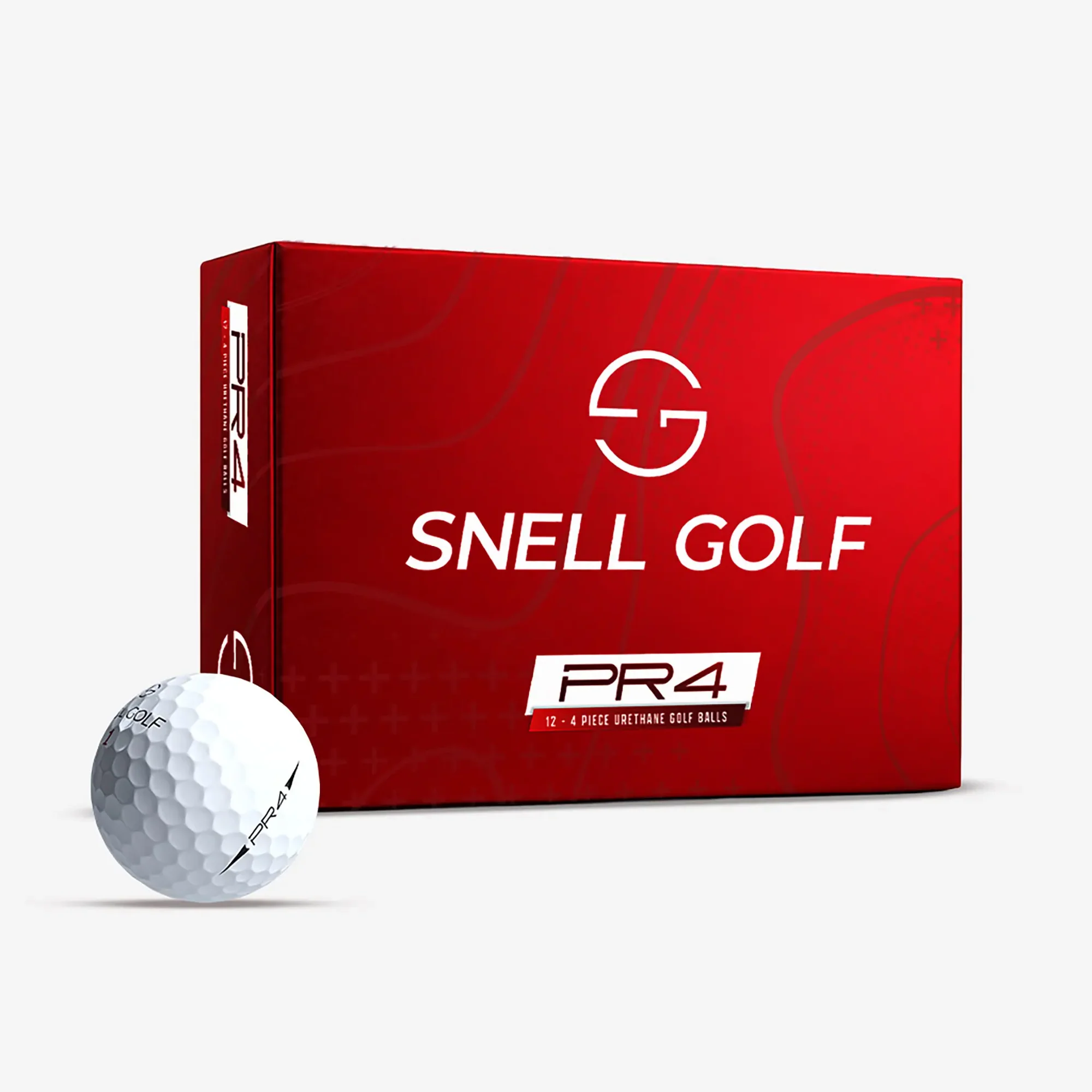
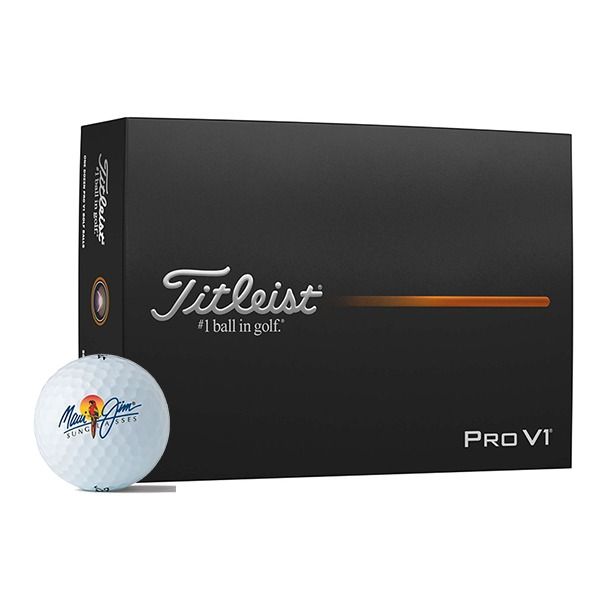
Snell PR4 vs Titleist Pro V1: Is It Worth $17 More?
Both are 3-piece urethane tour balls for 85–105 mph players. The PR4 costs $37 direct from Snell; the Pro V1 costs $54. We compare feel, distance, short-game spin, and whether the premium is justified.
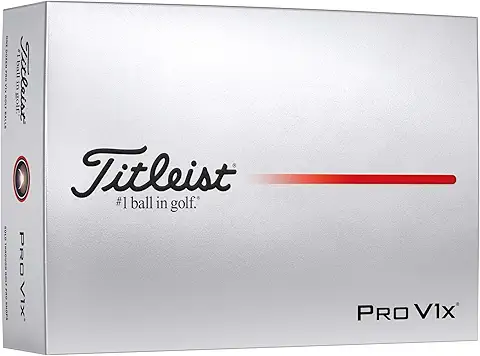
Snell PR4 vs Titleist Pro V1x
Both are 4-piece urethane balls for fast swingers. One costs $35, the other $54. We break down what you actually get for the Pro V1x premium — and whether it's worth it.
Snell PR3 vs PR4: Which Snell Is Right for You?
Both cost $34.99 per dozen and use the same urethane cover. But one is a 3-piece ball for 80–95 mph and the other a 4-piece low-spin ball for 95+ mph. Here's how to pick the right one.
Snell PR3 vs Titleist Pro V1
Both are 3-piece urethane balls built for feel and short-game control. The PR3 costs $35, the Pro V1 costs $54. We break down every performance category so you can decide if the $19 premium is worth it.
Pro V1 vs Pro V1x
They cost the same and look nearly identical. But the differences in compression, trajectory, and feel make each ball suited to a very different type of golfer.
Chrome Soft vs Pro V1
The Chrome Soft is built around softness and forgiveness. The Pro V1 is built around control and short-game spin. Here is how to decide which one belongs in your bag.
Chrome Soft vs Pro V1x
Both are 4-piece urethane balls — but they're built for opposite types of golfers. One is soft and accessible, the other is firm and built for elite swing speeds. Here's how to tell which one fits you.
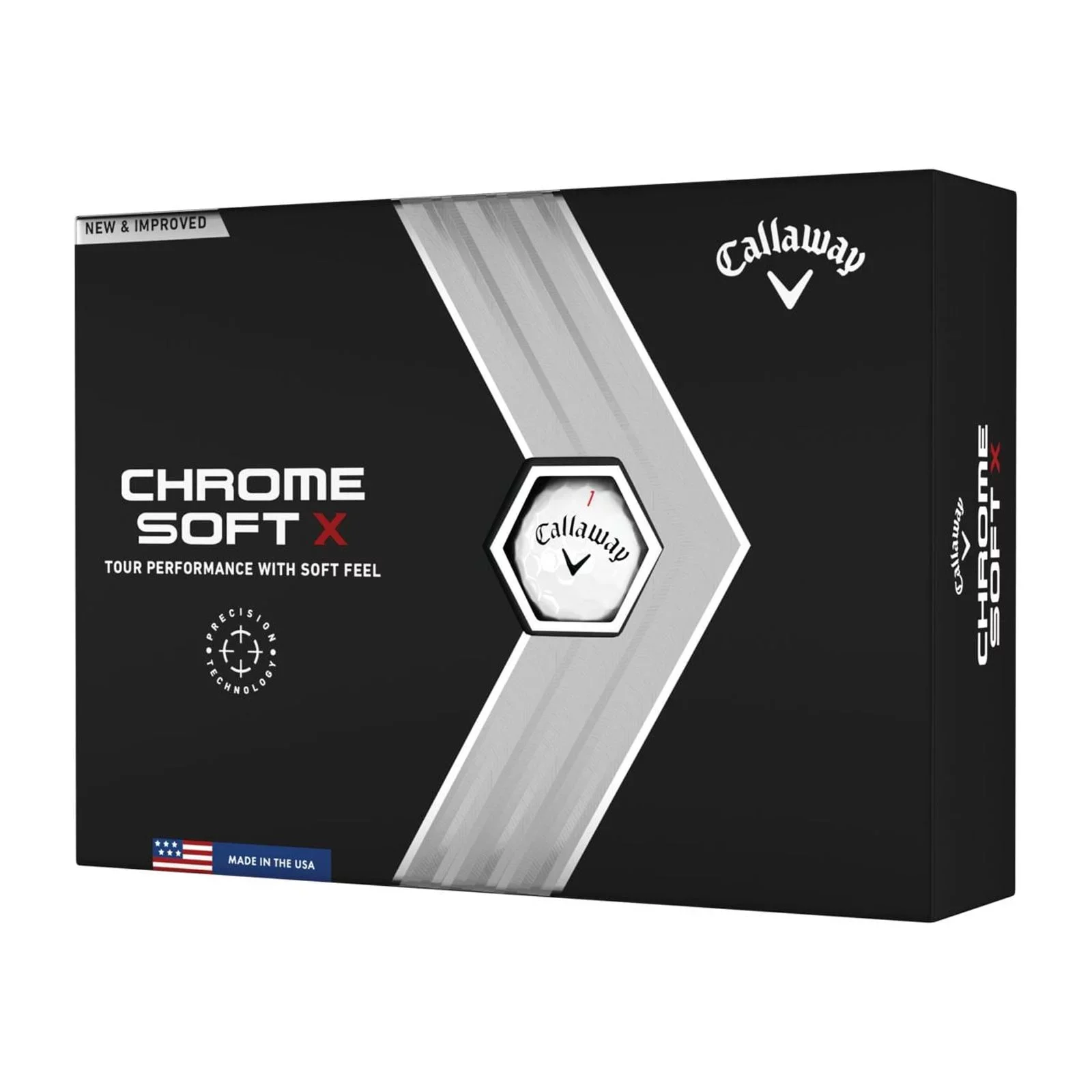
Chrome Soft X vs Pro V1x
Both are firm 4-piece urethane tour balls. The Chrome Soft X costs $7 less per dozen and suits 90–105 mph. The Pro V1x launches higher and rewards 100+ mph. A full breakdown of which one fits your game.
Chrome Soft vs Chrome Soft X
Same price, same urethane cover, different compression. One is built for swing speeds under 90 mph, the other for 90–110 mph. Here's how to pick the right Callaway ball.
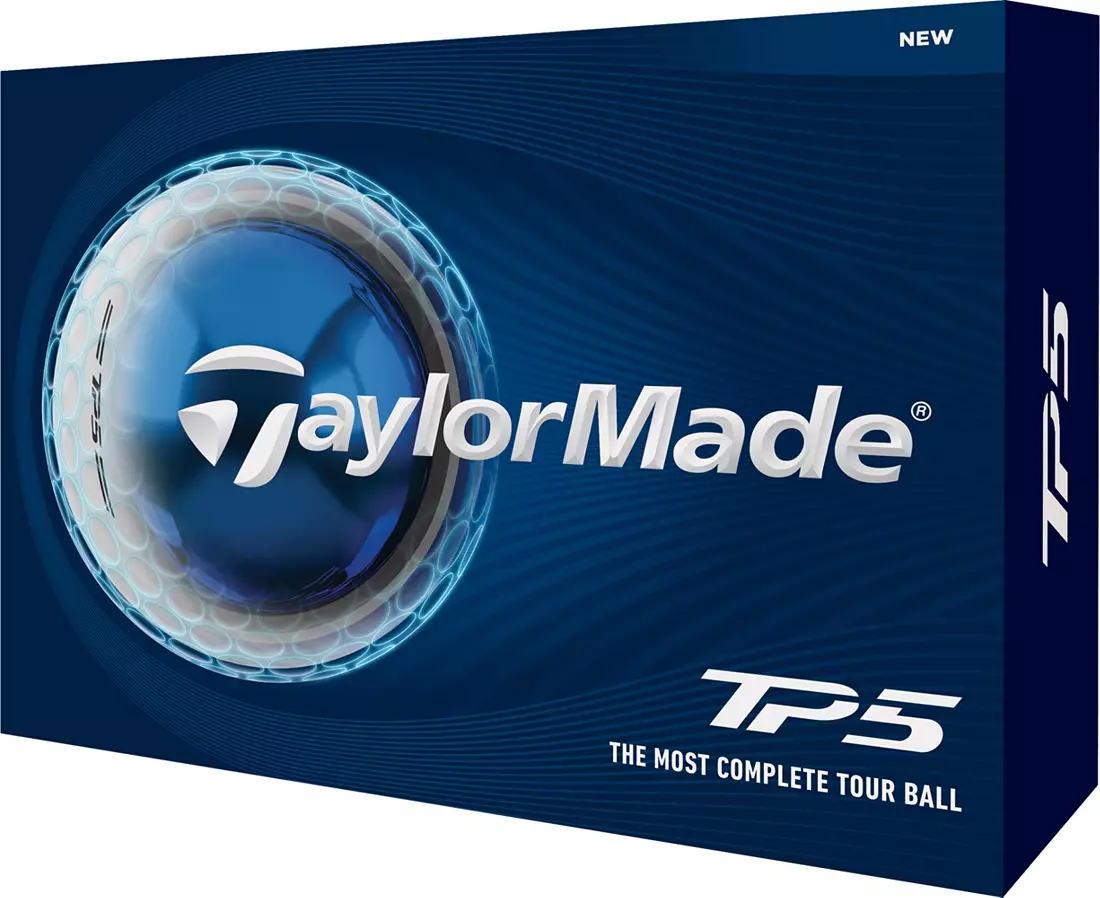
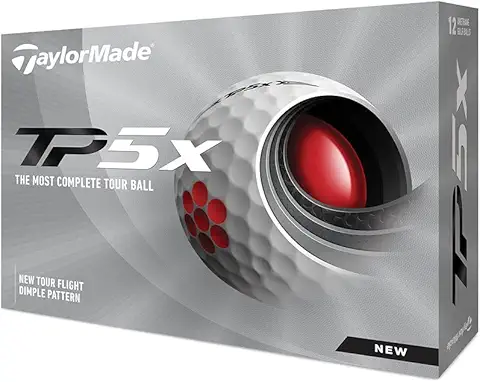
TaylorMade TP5 vs TP5x
Same price, same 5-piece construction, same cover. The difference is compression and trajectory — and it matters. Which TaylorMade tour ball fits your swing speed?
TaylorMade TP5 vs Titleist Pro V1
Same price, different design. The TP5 launches higher with a softer 5-piece feel — the Pro V1 flies lower and more penetrating. Which tour ball fits your swing speed?
TaylorMade TP5x vs Titleist Pro V1x
Both cost $54 and target 100+ mph swing speeds — but one spins far less off the driver. We compare compression, distance, short-game spin, and wind flight to find which high-speed tour ball fits your game.
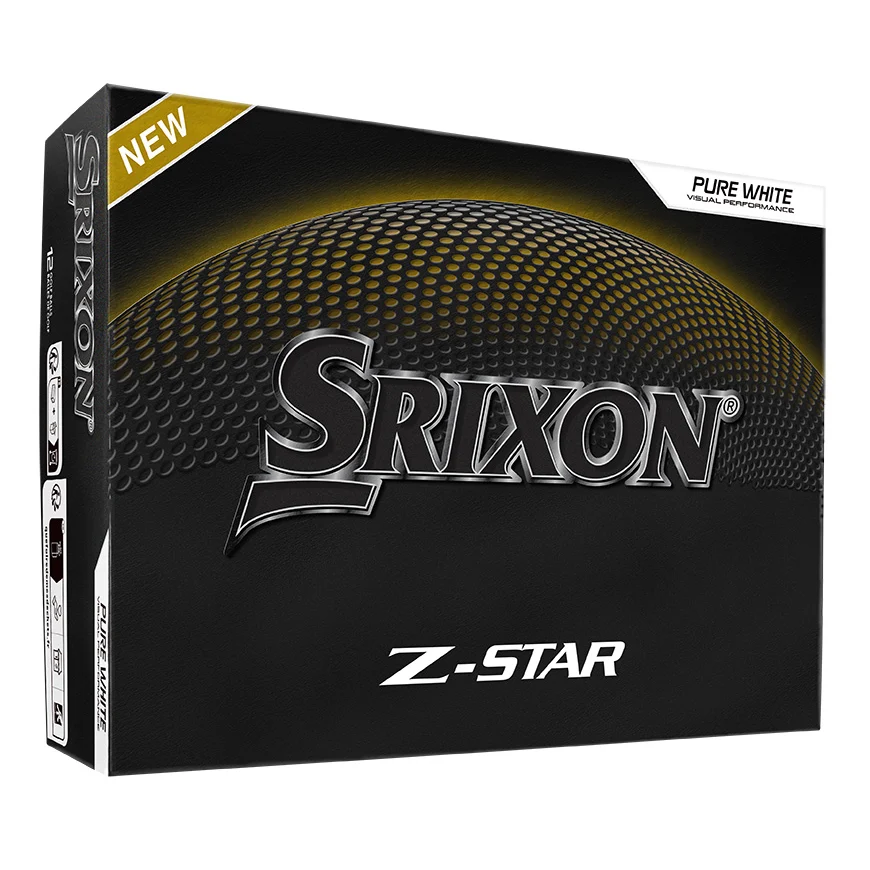
Srixon Z-Star vs Titleist Pro V1
The Z-Star costs $9 less per dozen and uses Spin Skin urethane to generate greenside spin that rivals the Pro V1. We compare feel, distance, and short-game performance to find out if the saving is worth it.
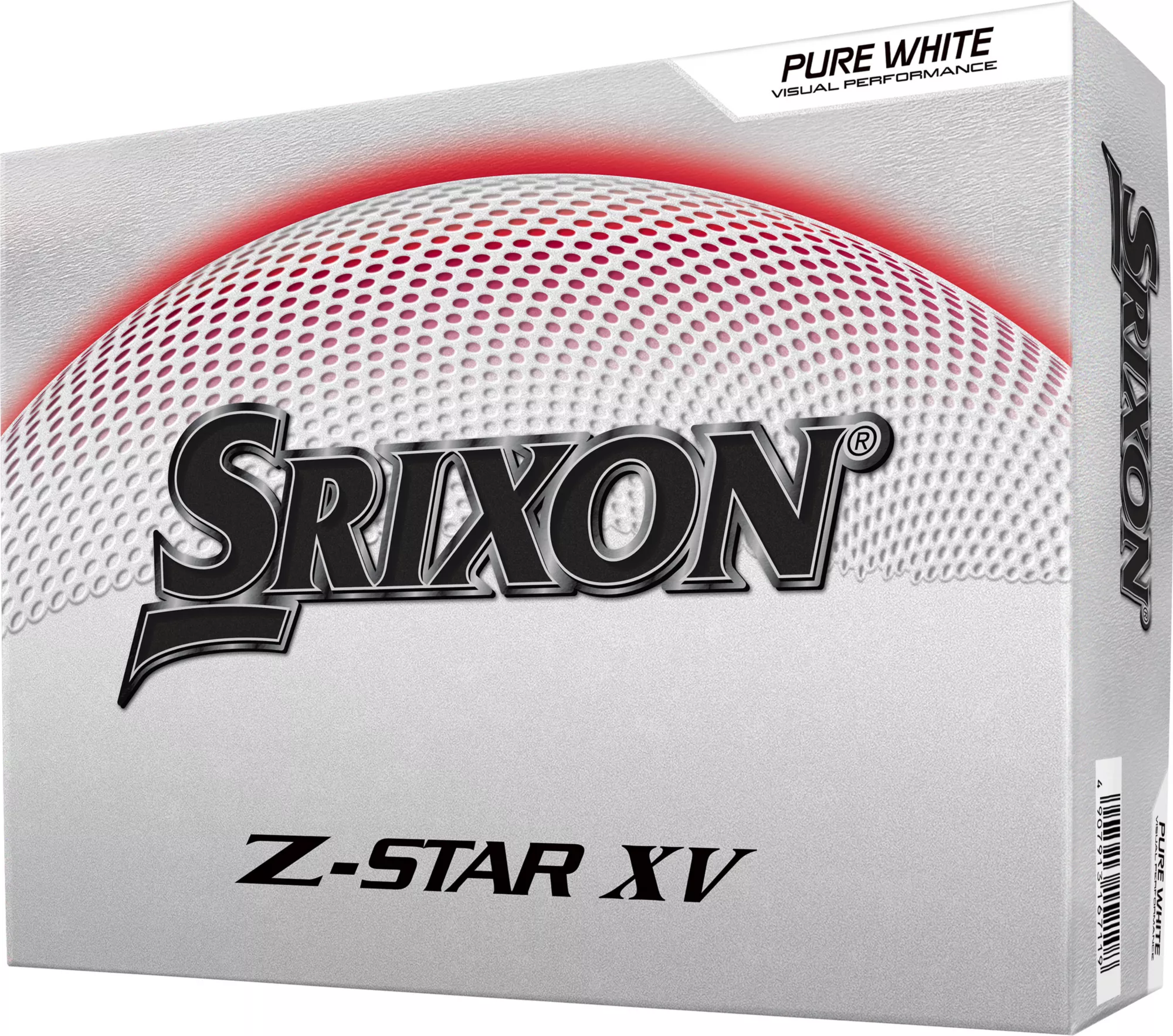
Srixon Z-Star XV vs Titleist Pro V1x
Both target 100+ mph swing speeds, both use urethane covers — but the Z-Star XV costs $10 less and spins less off the driver. We break down distance, feel, and short-game spin to find which high-speed tour ball fits your game.
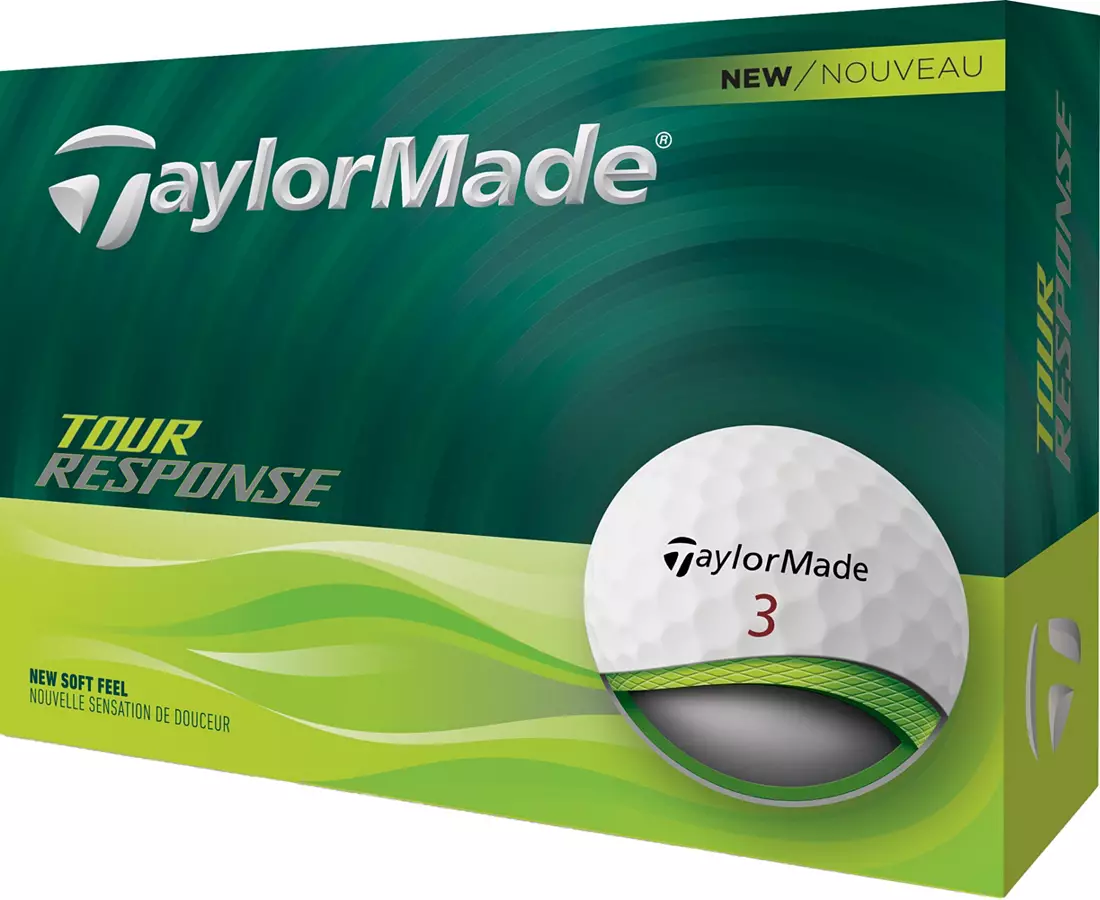
TaylorMade Tour Response vs Titleist Pro V1: Is It Worth $19 More?
Both are 3-piece urethane balls for mid-handicappers in the 85–100 mph range. The Tour Response costs $35, the Pro V1 costs $54. We compare feel, distance, short-game spin, and wind performance to find out what the premium actually buys.
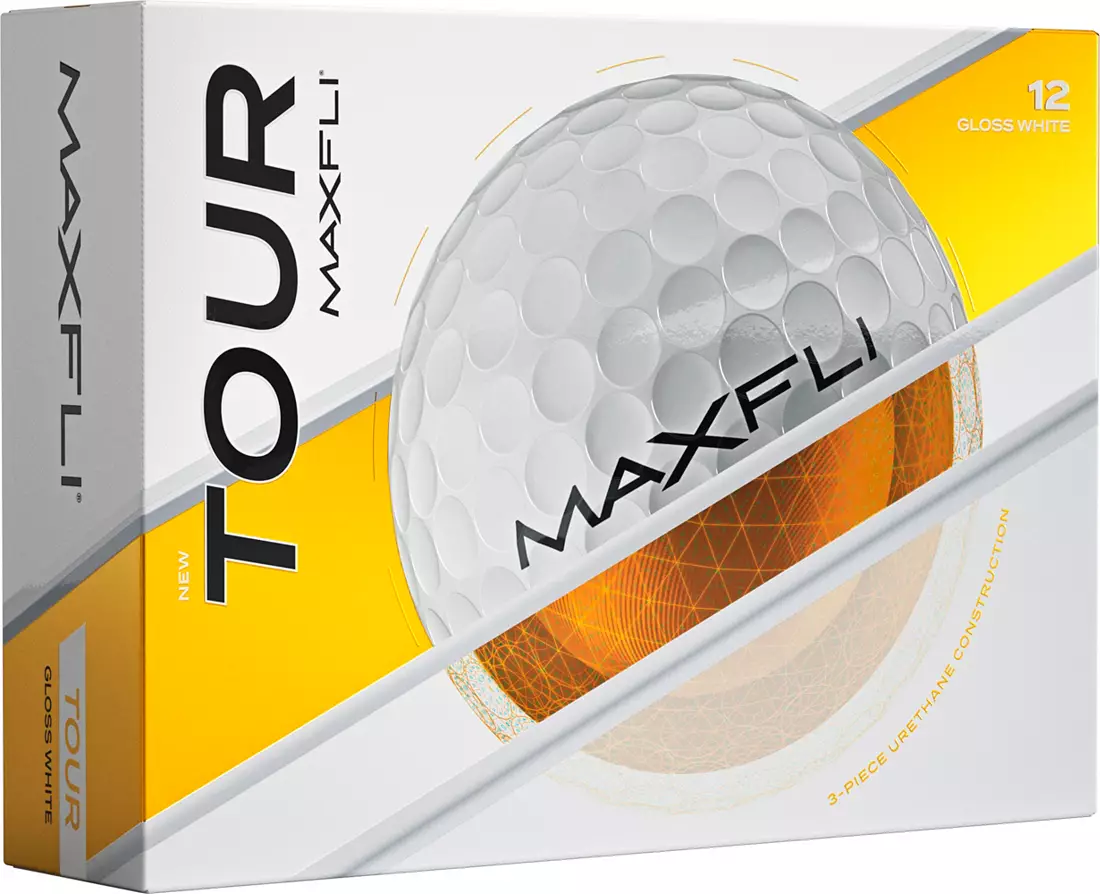
Maxfli Tour vs Titleist Pro V1: Is the $29 Ball as Good?
The Maxfli Tour costs $29 and has a urethane cover. The Pro V1 costs $54. For most mid-handicappers in the 80–100 mph range, we break down exactly what the $25 premium actually buys — and whether it's worth it.
Callaway Chrome Soft vs TaylorMade TP5: Which Soft Tour Ball?
Both are called 'soft tour balls' from the biggest brands in golf. But compression 65 vs 85 is a real difference. We compare feel, distance, and short-game spin to find which one fits your swing speed.
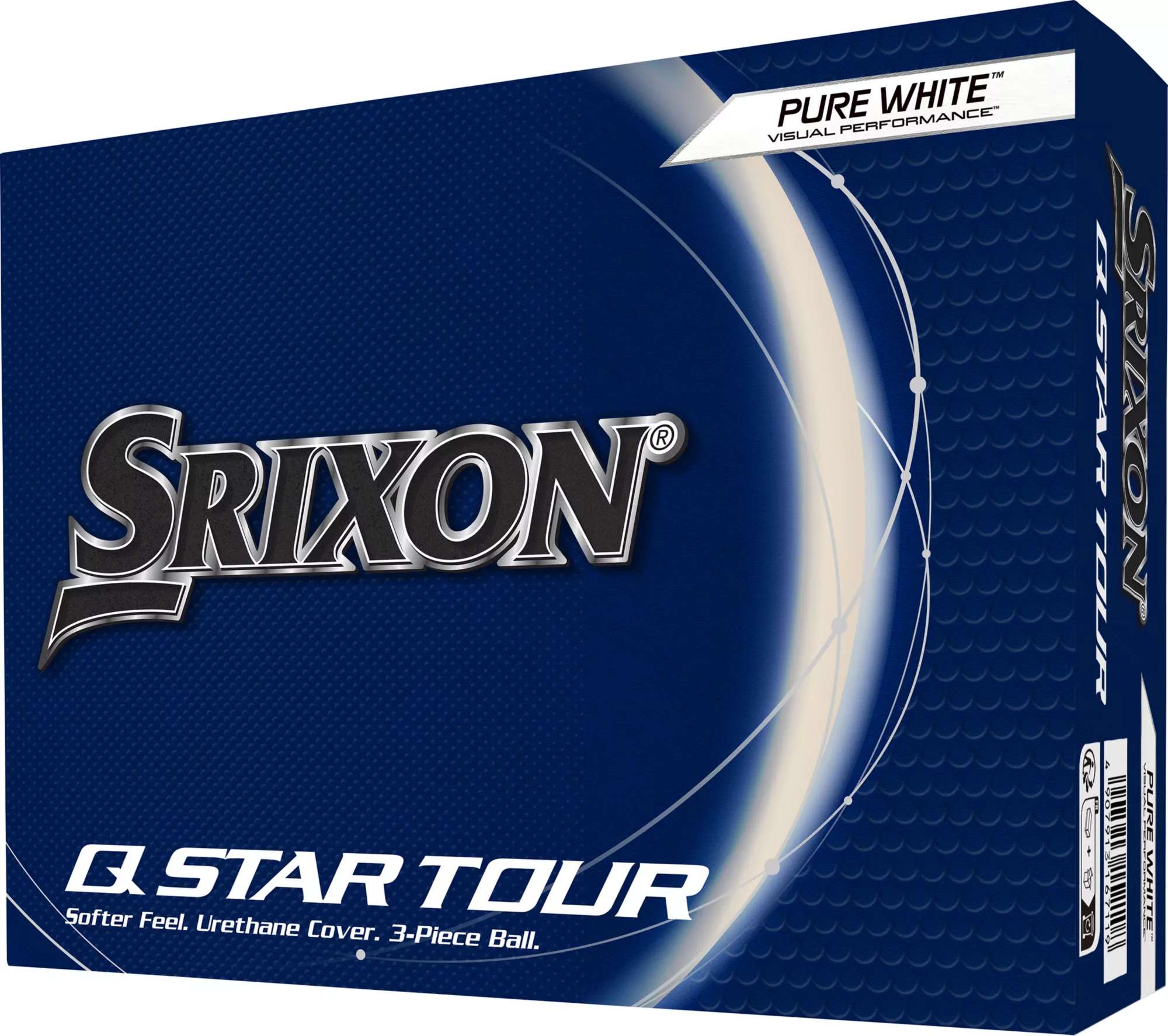
Srixon Q-Star Tour vs Titleist Pro V1: Is the Upgrade Worth $19 More?
Urethane cover, FastLayer Core, $35 a dozen. The Q-Star Tour challenges the Pro V1 at nearly half the price of top tour balls. We break down what you actually give up — and who should stick with the Srixon.
Snell PR3 vs Callaway Chrome Soft: Which Soft Urethane Ball?
Both are urethane balls aimed at mid-handicappers in the 80–100 mph range. But compression 65 vs 80–85 is a real difference. We compare feel, distance, short-game spin, and value to find which one fits your swing.
Snell PR4 vs Callaway Chrome Soft X: Which Firm Tour Ball?
Both are 4-piece urethane tour balls for 95+ mph. The PR4 costs $34.99 and the Chrome Soft X costs $48. We break down feel, distance, short-game spin, and value to find which firm tour ball is worth your money.
How to Choose the Right Golf Ball
Match Compression to Swing Speed
The single most important variable. Swing under 85 mph: choose compression 60–80. Swing 85–100 mph: compression 80–90. Swing over 100 mph: compression 90+. A mismatched ball costs you distance and feel.
Choose Cover for Your Handicap
Handicap 15+: ionomer cover. Straight flight and durability matter more than spin. Handicap under 15: urethane cover. The short-game control advantage is now meaningful and you can exploit it.
Set a Budget and Stick to It
A $54 tour ball played by a 20-handicap golfer is money wasted. Start with a ball priced for your level, play it for a season, and only upgrade when your game demands it.
Golf Ball FAQs
What golf ball should a beginner use?
Beginners should use a low-compression, 2-piece ionomer ball. Something like the Callaway Supersoft or Srixon Soft Feel. These compress easily at slower swing speeds, fly straighter, and cost under $25 a dozen. A urethane tour ball actively hurts a beginner's game — it requires faster swing speeds to compress properly and generates more spin, which amplifies swing flaws.
What is the difference between urethane and ionomer golf balls?
Urethane is the cover material used on premium tour balls like the Pro V1. It generates more greenside spin and has a softer, more responsive feel, but requires faster swing speeds and costs more. Ionomer (also called Surlyn) is harder, more durable, and much cheaper. It generates less spin — which means straighter flight off the driver but less control around the green. Most mid-to-high handicappers benefit more from ionomer's straight flight than they lose from the reduced spin.
Does golf ball compression matter?
Yes, for distance and feel. Compression is a measure of how hard the ball is. A low-compression ball (under 70) compresses easily at slower swing speeds, giving you better energy transfer and a softer feel. A high-compression ball (90+) needs a faster swing to compress fully. Matching compression to your swing speed is one of the biggest fitting variables that most golfers ignore.
Is the Titleist Pro V1 worth it for an average golfer?
For most golfers, no. The Pro V1 is built for players with swing speeds above 85–90 mph and a handicap below 10. Below that level, a mid-range urethane ball like the Maxfli Tour or Srixon Q-Star Tour gives you 90% of the performance at $15 less a dozen. The Pro V1's advantages — greenside spin refinement and trajectory consistency — only show up at a skill level where you can consistently reproduce precise contact.
How often should I change my golf ball?
A tour-quality urethane ball should be replaced after 18 holes of serious play, as the cover scuffs and the aerodynamics degrade. For recreational golfers, replace a ball when it shows visible cuts, deep scuffs, or has hit a cart path. A lightly used ball from a couple of rounds is still perfectly playable. Ionomer balls are more durable and can last 2–3 rounds without meaningful performance loss.
Want a personalized ball recommendation?
Take our free 60-second ball fitting quiz. Answer 7 questions and we match you to the right ball across all 4 price tiers.
Free · No signup · Takes 60 seconds