
- +You currently play the Pro V1 or Pro V1x
- +You want urethane feel at $38/dozen
- +You are comfortable buying online and planning ahead
- +Tour branding does not matter to you
- +You want to save $17/dozen without losing performance
- +You want to buy balls at any golf shop or pro shop
- +Tour validation genuinely matters to your game mentally
- +You have tried both and prefer the Pro V1 feel
- +You play in competitions where Titleist branding matters
- +You already buy Pro V1 on sale and close the price gap
The Full Lineup: Which Ball Matches Which
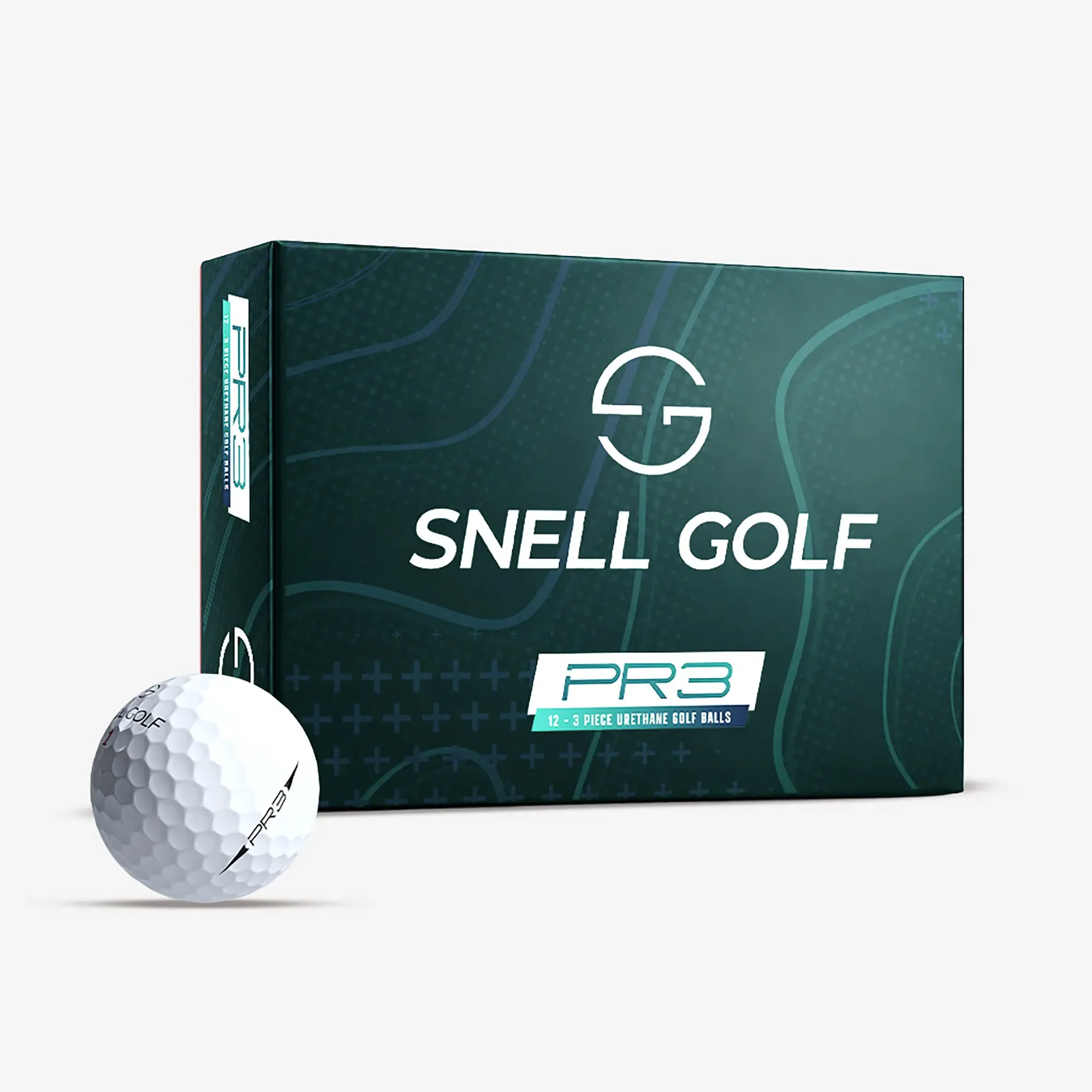
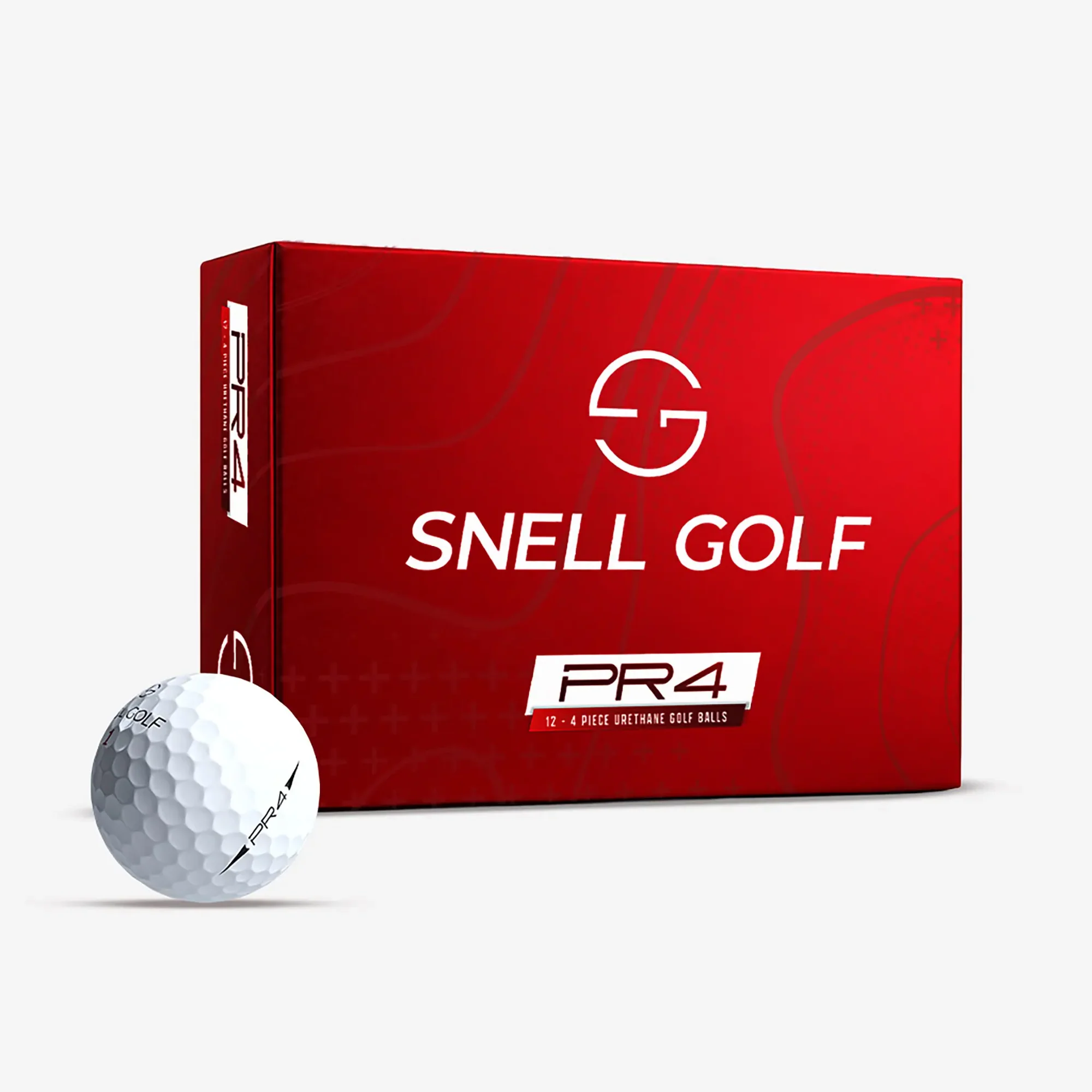
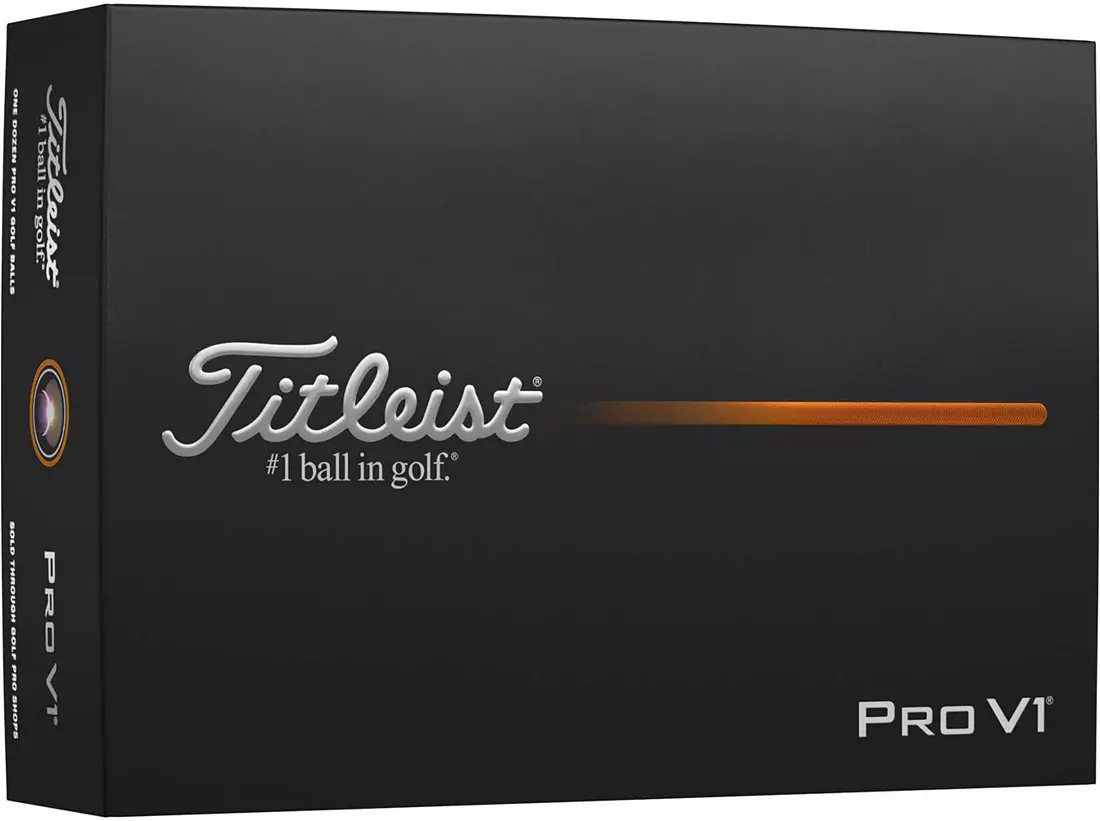
Head to Head: PR3 vs Pro V1
Construction and Materials
Edge: EvenSnell PR3
The Snell PR3 and PR4 use the same urethane cover and multi-layer core construction as the Pro V1 and Pro V1x. Dean Snell, who spent 12 years at Titleist and led the development of the Pro V1, designed both. The manufacturing process and material spec are comparable — the difference is not in the ball, it is in the brand name on the side.
Titleist Pro V1
The Pro V1's construction is the industry benchmark — three-piece urethane with a large ZD core and a cast urethane elastomer cover. Titleist has refined this formula across dozens of iterations. The Pro V1 is manufactured to extremely tight tolerances, and Titleist's quality control is widely regarded as the best in golf.
Feel
Edge: Pro V1 (marginally — mainly familiarity)Snell PR3
The Snell PR3 is remarkably close to the Pro V1 in feel — soft off the putter face, responsive on chip shots, and a satisfying click off the driver. In blind tests, the majority of golfers cannot distinguish the PR3 from the Pro V1 by feel alone. The PR4 is slightly firmer, matching the Pro V1x.
Titleist Pro V1
The Pro V1 is the standard by which all soft urethane balls are judged. Its feel off the putter is exceptional — soft without being mushy — and the greenside spin and feedback are a step above any ionomer ball. If you have played the Pro V1 for years, switching to an equivalent may require a brief adjustment period even if the spec is identical.
Spin and Control
Edge: EvenSnell PR3
The PR3 produces mid spin off the driver and high greenside spin — nearly identical to the Pro V1. Independent launch monitor data consistently shows less than 100 rpm difference between the two off the driver, which is imperceptible in real play. Short game spin is also comparable, with the PR3 generating similar stopping power on approach shots.
Titleist Pro V1
The Pro V1's spin profile has been refined over decades and is optimised for consistency across all shot types — low driver spin to reduce sidespin, high wedge spin for stopping power. For a skilled golfer who relies on spin control, the Pro V1 is extremely predictable. That predictability is partially what the premium pays for.
Price
Edge: Snell (saves ~$17/dozen)Snell PR3
The Snell PR3 and PR4 retail at approximately $38/dozen direct from Snell Golf. There are no retail markups because Snell sells only online. At $38, you are getting urethane construction for what a mid-tier ionomer ball costs at a golf shop.
Titleist Pro V1
The Pro V1 retails at approximately $55/dozen. That price includes Titleist's tour sponsorship costs, retail distribution margins, and brand premium. The ball itself is not $17 better than the Snell PR3 — the price gap is almost entirely brand and distribution.
Availability and Tour Credibility
Edge: Pro V1 (availability and tour use)Snell PR3
Snell Golf sells exclusively through its own website. You cannot buy Snell balls at a golf shop, pro shop, or on Amazon. That is a genuine inconvenience — you need to plan ahead and order online. Snell also has no tour presence, which matters to some golfers and not at all to others.
Titleist Pro V1
The Pro V1 is available everywhere — every golf shop, pro shop, online retailer, and driving range. It is also the most-played ball on every professional tour. If tour validation matters to you, the Pro V1 is the clear choice. If you just want the best performing ball for your money, that validation is irrelevant.
The Verdict
If you currently play the Pro V1 or Pro V1x and you are satisfied with your ball performance, the Snell PR3 or PR4 is a straightforward upgrade in value. The construction is equivalent, the feel difference is undetectable to most golfers in blind tests, and you save $15–17 every dozen. Over a season of 30 rounds that is $40–50 back in your pocket.
The Pro V1 makes sense if availability matters — you can grab a sleeve at any golf shop — or if tour credibility genuinely affects how you feel standing over the ball. Neither is a bad reason to pay more.
Frequently Asked Questions
Are Snell golf balls as good as the Pro V1?
In terms of construction and materials, yes — the Snell PR3 and PR4 use the same urethane cover and multi-layer construction as the Pro V1 and Pro V1x. Dean Snell, who engineered the Pro V1 at Titleist, designed both. In blind testing, most golfers cannot distinguish the PR3 from the Pro V1 in feel or performance. The main differences are branding, availability, and price — the Pro V1 costs around $55/dozen while the Snell PR3 costs around $38/dozen direct.
What is the Snell equivalent of the Pro V1?
The Snell PR3 is the equivalent of the Pro V1 — three-piece urethane construction, mid-high launch, mid spin, soft feel. The Snell PR4 is the equivalent of the Pro V1x — four-piece construction, slightly firmer feel, lower spin, higher launch. Both Snell balls are sold direct at approximately $38/dozen, about $17 less than Titleist's MSRP.
Why is Snell cheaper than Pro V1?
Snell Golf sells direct-to-consumer online, cutting out the retailer margin that adds to Pro V1's retail price. Titleist also invests heavily in tour sponsorships and marketing — costs that are built into the $55/dozen MSRP. Snell has no tour contracts and minimal marketing spend, passing the savings to the customer. The manufacturing quality and materials are comparable.
Who should use Snell instead of Pro V1?
Any golfer who currently plays the Pro V1 or Pro V1x and is satisfied with their ball performance should seriously consider switching to the Snell PR3 or PR4. The construction is equivalent, the price is $15–17 less per dozen, and the feel difference is undetectable to most golfers. The Pro V1 makes more sense if you need to buy balls at a golf shop on the day, or if tour branding matters to you.
What is the Snell Get Sum vs Pro V1 difference?
The PR3 is the direct Pro V1 alternative — three-piece urethane construction, comparable compression and spin profile, $17 less per dozen. If you are a high handicapper looking for a softer, more forgiving ball at a lower price, neither the PR3 nor the Pro V1 is the right fit — look at the Callaway Supersoft or Srixon Soft Feel instead.