
Why Mid Handicappers Need a Different Ball
A high handicapper's biggest gains come from straighter flight and more consistent contact. A scratch player needs tour-level spin control and consistency under pressure. Mid handicappers are in between — and that means different priorities.
You Can Now Use Urethane
High handicappers get almost no benefit from a urethane cover — they don't make consistent enough contact to feel the difference. Mid handicappers do. Once you're making reasonable contact on chips and pitches, a urethane cover gives you a noticeably better response around the green that shows up in lower scores.
Compression Should Match Your Swing
Most mid handicappers swing between 80 and 95 mph. That puts you in the compression 70–85 sweet spot. A soft ionomer ball (compression 38) is over-correcting — you don't need that much help. A Pro V1 at compression 90 may be slightly over your sweet spot. The right ball is in the middle.
Distance is Less Important Than Consistency
The biggest distance improvements for mid handicappers come from better contact, not the ball. At this stage, choose a ball for its flight consistency and short-game feel rather than chasing maximum carry. Consistent distance gaps on your irons are worth more than 5 extra yards off the driver.
Budget Still Matters
Mid handicappers still lose balls. Paying $54 a dozen for Pro V1s when you hit three into the water per round is not a rational decision. Most mid handicappers get excellent results from balls in the $25–$40 range, leaving tour balls as an optional upgrade as your handicap drops below 10.
Not sure where you land? If your handicap is between 15 and 20, start with the Srixon Q-Star Tour or Maxfli Tour — both urethane at a reasonable price. If your handicap is between 10 and 15 and you are making solid contact regularly, the Chrome Soft or Snell PR3 are the step up worth making.
The 7 Best Golf Balls for Mid Handicappers in 2026
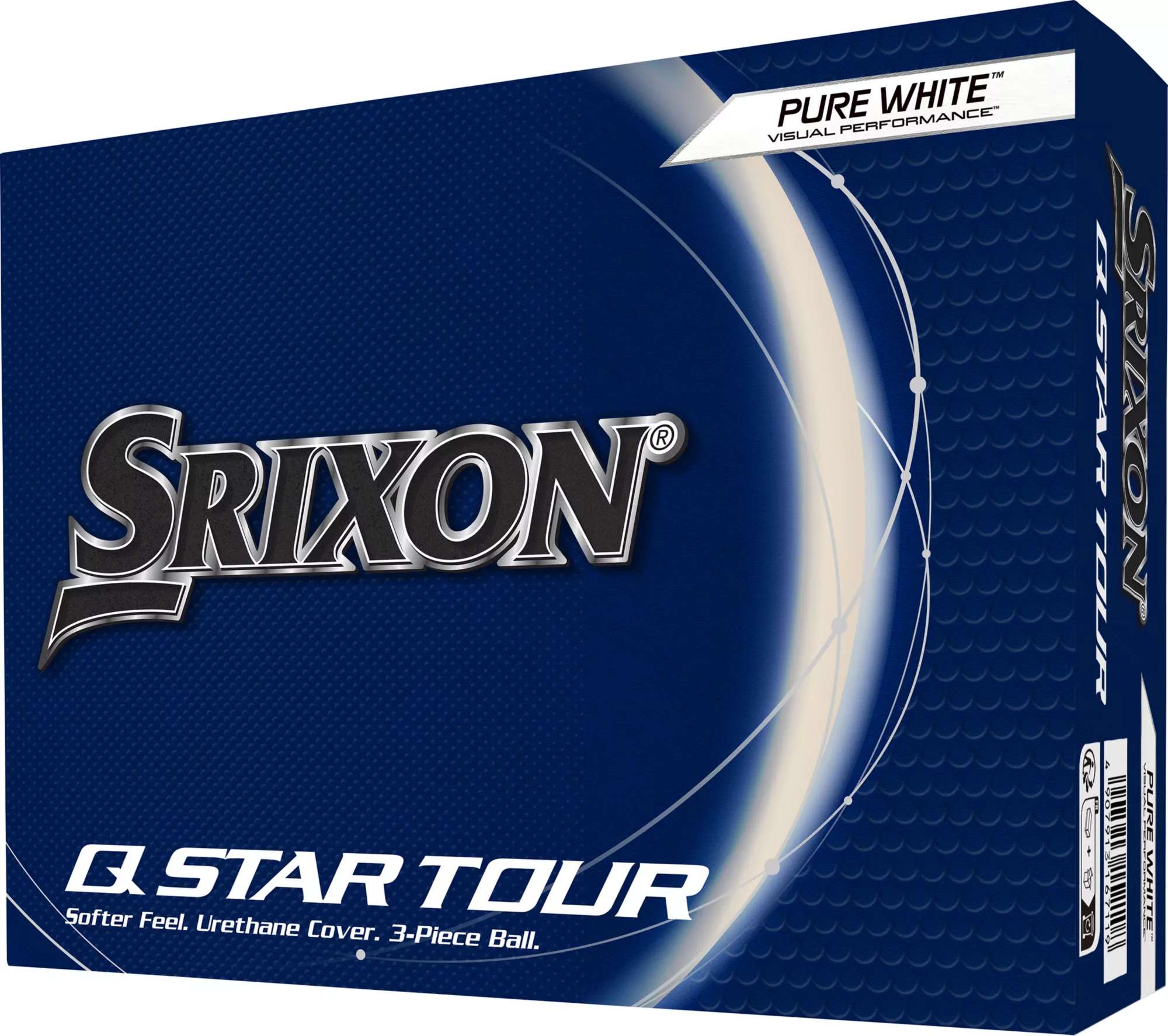
Srixon Q-Star Tour
Best for: Mid handicappers who want urethane short-game feel without paying tour ball prices
Compression
72
Cover
Cast Urethane
Construction
3-piece
Dimples
338
The Q-Star Tour is the best golf ball for mid handicappers, full stop. At compression 72, it sits in the sweet spot for swing speeds between 80 and 100 mph — firm enough to feel responsive, soft enough to compress fully without elite swing speed. The cast urethane cover gives you genuine short-game spin and feedback that ionomer balls simply cannot replicate, and at $35 per dozen you are not paying a tour ball premium to get it. Srixon manufactures their own tour balls and that engineering filters directly into the Q-Star Tour. It is the most complete package at this price point.
Pros
- +Cast urethane cover for real short-game spin
- +Compression 72 suits 80–100 mph swing speeds
- +338-dimple design gives consistent, penetrating flight
- +Excellent value at $35/dozen
Cons
- -Less brand recognition than Titleist or Callaway
- -Urethane cover scuffs faster than Surlyn on cart paths
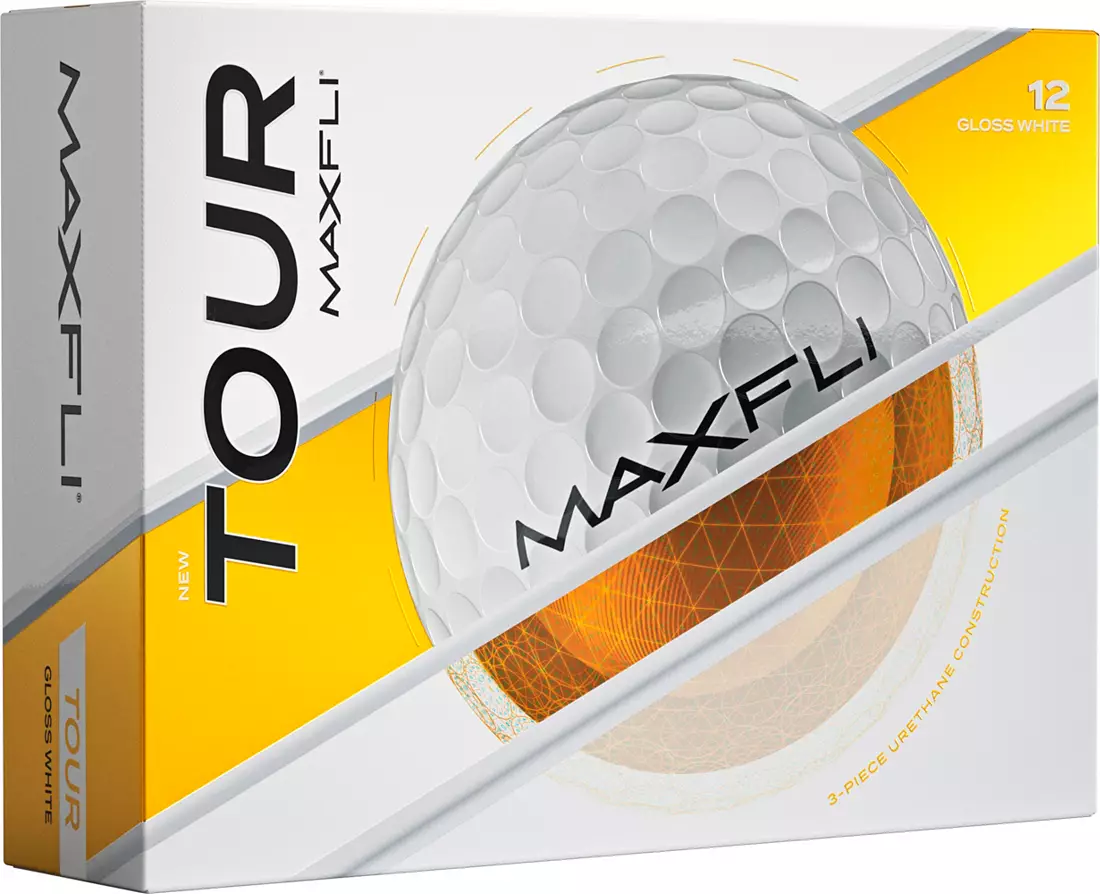
Maxfli Tour
Best for: Mid handicappers who want urethane performance at the lowest possible price
Compression
75
Cover
Cast Urethane
Construction
3-piece
Dimples
322
The Maxfli Tour is one of the best-kept secrets in golf equipment. A cast urethane cover — the same material used on the Pro V1 — for $25 per dozen. Most golfers assume urethane means $45+ per dozen and reach for an ionomer ball at this price point. The Maxfli Tour proves that assumption wrong. The feel around the greens is noticeably better than any ionomer ball at a similar price, the flight is consistent, and the compression of 75 suits the average mid handicapper well. The only catch is availability — it is a Golf Galaxy exclusive, so you either buy in store or online through them.
Pros
- +Cast urethane cover at $25/dozen — exceptional value
- +Compression 75 suits a wide mid-handicap swing speed range
- +Noticeably better greenside feel than ionomer competitors
- +Consistent ball flight and reliable construction
Cons
- -Golf Galaxy exclusive — limited availability
- -Less marketing means some golfers overlook it
Callaway Chrome Soft
Best for: Mid handicappers who prioritize soft feel and want a premium 4-piece ball
Compression
75
Cover
Urethane
Construction
4-piece
Dimples
332
The Chrome Soft has been the go-to premium ball for mid handicappers who want something between a budget ball and a full tour ball for years. The graphene dual SoftFast core is deliberately engineered for a wider range of swing speeds than the Pro V1, making it more accessible for players whose swing speed sits in the 80–95 mph range. The 4-piece construction gives it a more layered performance profile than most mid-range balls, and the urethane cover delivers genuine short-game response. If feel off the putter and a soft, buttery impact sensation are your top priorities, this is the ball.
Pros
- +Graphene core gives exceptional energy transfer
- +4-piece construction produces layered, tour-like performance
- +Urethane cover for real short-game spin
- +Wider swing speed range than the Pro V1
Cons
- -Most expensive option on this list at $45/dozen
- -Not the longest ball for faster mid-handicap swing speeds
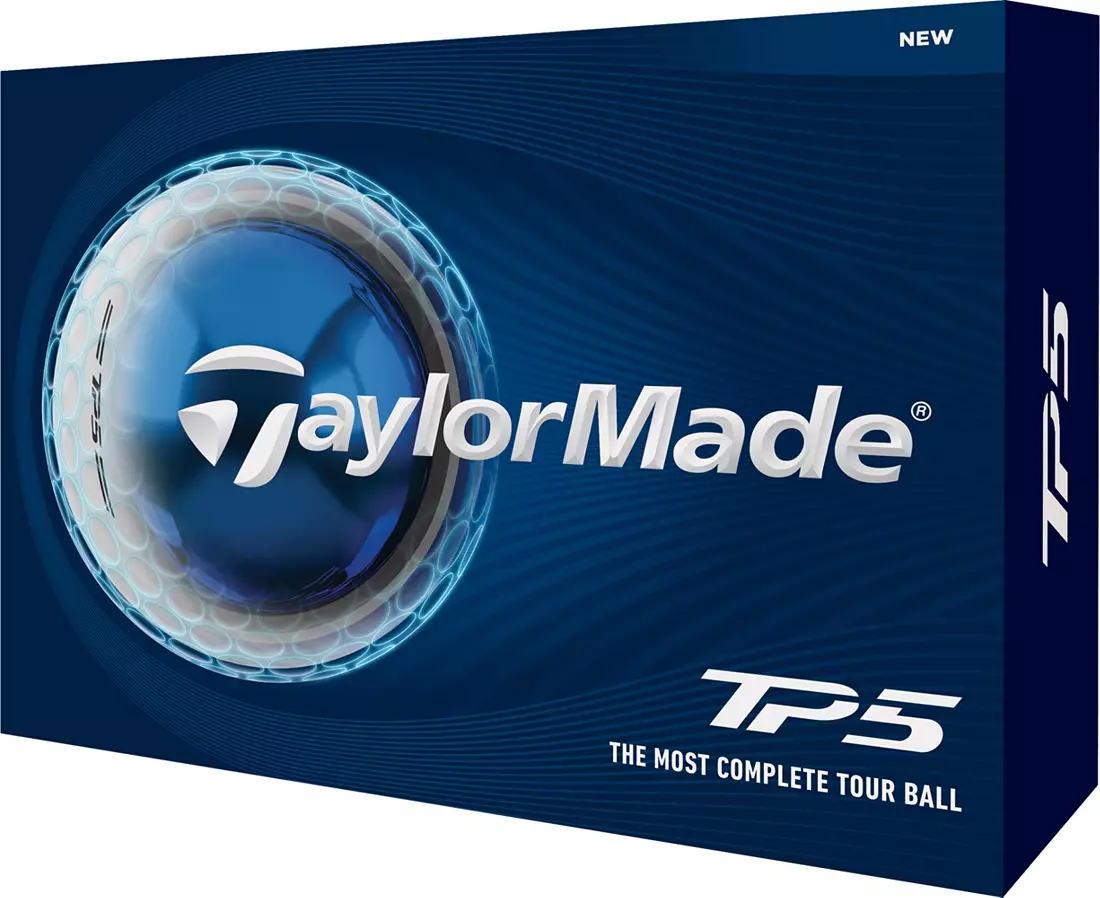
TaylorMade TP5
Best for: Mid handicappers with swing speeds of 90 mph or above who want maximum carry
Compression
85
Cover
Cast Urethane
Construction
5-piece
Dimples
322
The TP5 is the fastest ball on this list and the best choice for the mid handicapper whose swing speed is nudging 90 mph and above. Five layers of construction, including the Tri-Fast Core and Dual-Spin Cover, are engineered to produce a high, powerful launch off the driver while retaining spin around the greens. The result is a ball that genuinely adds carry for the golfer who can compress it — expect 5–8 yards more off the driver than a softer ball at similar swing speed. The trade-off is firmness: the TP5 has a more purposeful feel than the Chrome Soft and is not the choice for golfers who prioritize softness.
Pros
- +5-piece construction gives the highest distance ceiling
- +High launch off the driver for 90+ mph swing speeds
- +Cast urethane Dual-Spin Cover for short-game control
- +Works on tour and holds up in real-world conditions
Cons
- -Compression 85 requires 90+ mph to fully unlock it
- -Firmest feel on this list — not ideal for touch-oriented players
Snell PR3
Best for: Mid handicappers who want tour-quality urethane and are comfortable buying direct
Compression
80–85
Cover
TPU-X Armor Urethane
Construction
3-piece
Dimples
338
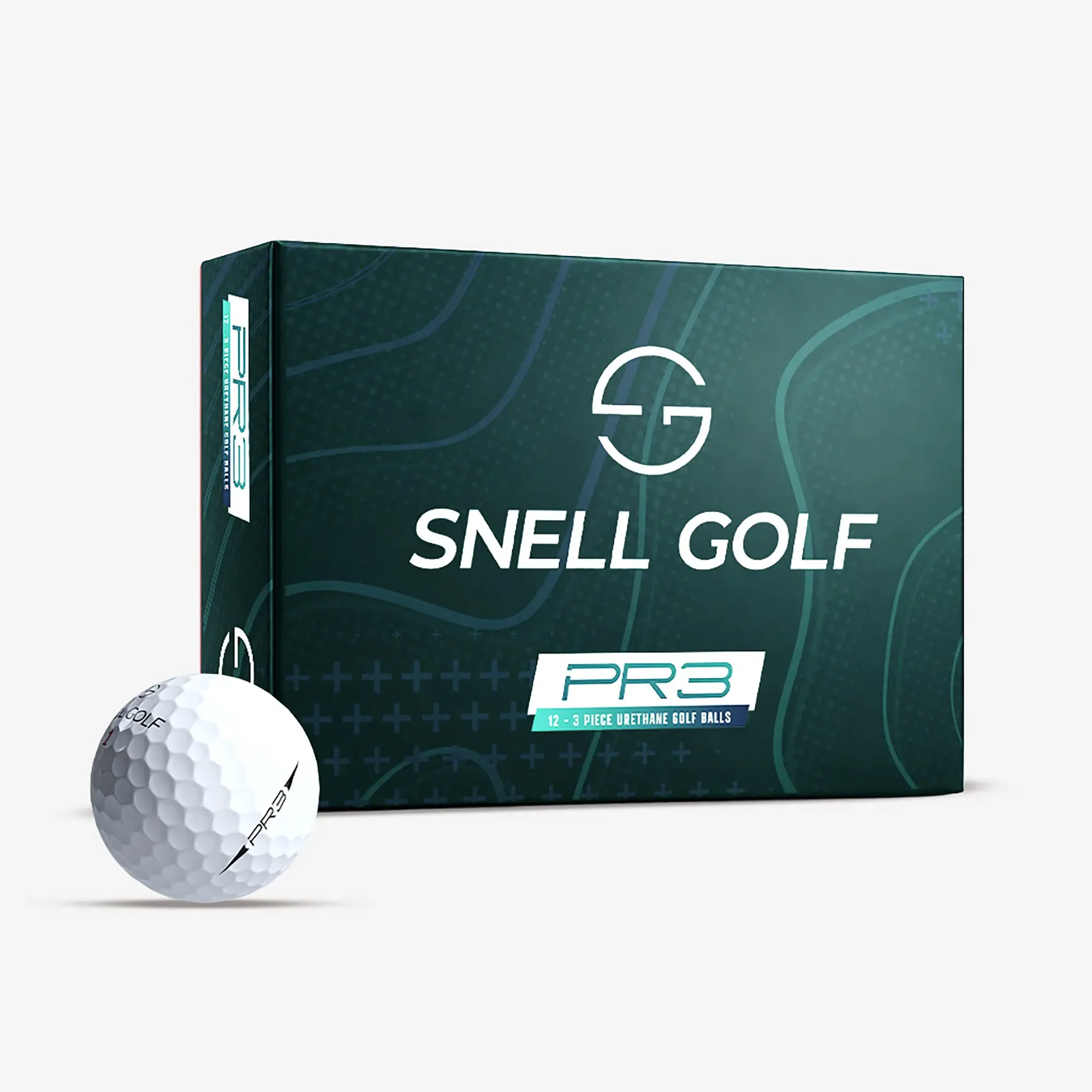
The Snell PR3 was designed by Dean Snell — the same engineer who spent 18 years building the Pro V1 at Titleist. It is a 3-piece urethane ball that competes directly with the Pro V1 in feel and short-game performance at $19 less per dozen. For mid handicappers who play regularly and go through balls quickly, the $228 per year saving over the Pro V1 is meaningful and real. The TPU-X Armor cover delivers high wedge spin and a responsive feel that is genuinely competitive with balls costing significantly more. The only friction is that it is only available direct from snellgolf.com — but if you are comfortable ordering online, this is one of the best balls on the market at any price.
Pros
- +Tour-quality urethane at $35/dozen — no retailer markup
- +Designed by the engineer behind the Pro V1
- +TPU-X Armor cover delivers genuine short-game spin
- +Wide swing speed range (80–105+ mph)
Cons
- -Only available at snellgolf.com — not in stores
- -Less name recognition if that matters to you
Srixon Z-Star
Best for: Mid handicappers who want tour-level spin and feel at $9 less per dozen than the Pro V1
Compression
88
Cover
Spin Skin Urethane
Construction
3-piece
Dimples
338
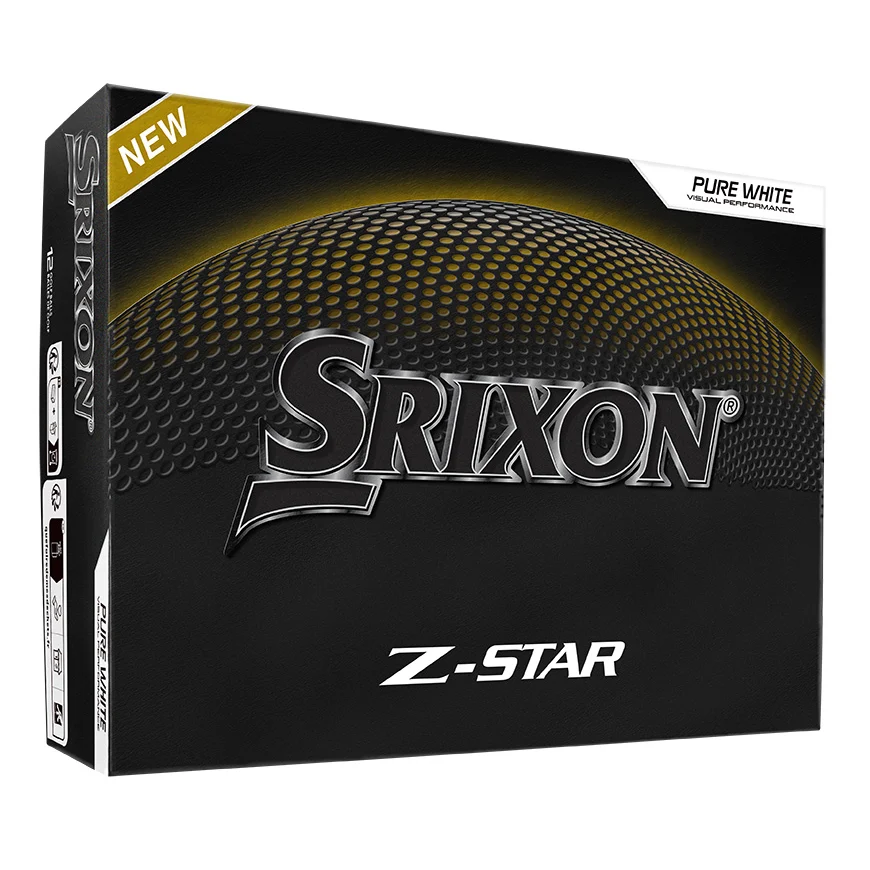
The Z-Star is the most compelling Pro V1 alternative on the market. Srixon's Spin Skin coating micro-grips your grooves at impact to generate greenside spin that is competitive with — and in some testing exceeds — the Pro V1 on wedge shots. At compression 88, it suits swing speeds from 85 to 105 mph, covers the full mid-handicap range, and costs $9 per dozen less than the Pro V1. The feel is fractionally crisper than the Pro V1's famously soft response, which some players actually prefer. If you are ready for a tour ball but not quite ready for the Pro V1 price, the Z-Star is the natural step up.
Pros
- +Spin Skin urethane delivers genuine short-game spin
- +Compression 88 suits 85–105 mph swing speeds
- +$9/dozen cheaper than the Pro V1 — $108/year on 12 dozen
- +Genuine tour pedigree — multiple Srixon tour staff players
Cons
- -Feel is slightly crisper than the Pro V1 — not identical
- -Less brand recognition than Titleist on the course
Titleist Pro V1
Best for: Mid handicappers playing competitive rounds who are ready to invest in the benchmark
Compression
90
Cover
Urethane Elastomer
Construction
3-piece
Dimples
388
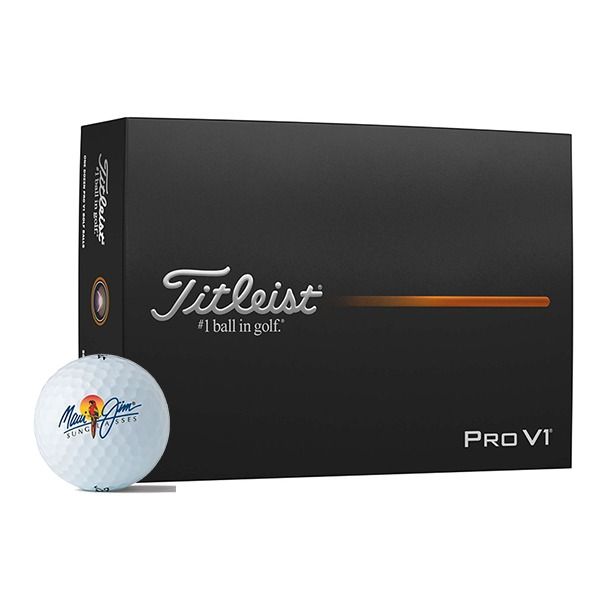
The Pro V1 belongs at the top end of the mid-handicap range — specifically for golfers whose handicap is closer to 10 than to 20 and who are making consistent, solid contact with most of their irons. At compression 90 it requires a minimum swing speed of around 85 mph to compress fully. When you can compress it, the Pro V1's performance is the standard by which everything else is judged: a penetrating, consistent ball flight, exceptional greenside spin, and a feel that decades of tour refinement have made nearly perfect. It is expensive and it scuffs faster than most balls on this list, but for the improving mid handicapper approaching single figures, it is worth the price.
Pros
- +The benchmark tour ball — refined over 20+ years
- +Exceptional greenside spin and short-game control
- +Consistent, penetrating ball flight
- +Motivates precise contact — rewards improving ball strikers
Cons
- -Compression 90 requires 85+ mph to access fully
- -Most expensive option — $54/dozen adds up quickly
Quick Comparison
| Ball | Compression | Cover | Best For | Price |
|---|---|---|---|---|
| Srixon Q-Star Tour | 72 | Cast Urethane | Best Overall | ~$35/dozen |
| Maxfli Tour | 75 | Cast Urethane | Best Value | ~$25/dozen |
| Callaway Chrome Soft | 75 | Urethane | Best for Feel | ~$45/dozen |
| TaylorMade TP5 | 85 | Cast Urethane | Best for Distance | ~$50/dozen |
| Snell PR3 | 80–85 | TPU-X Armor Urethane | Best Direct-to-Consumer | $34.99/dozen |
| Srixon Z-Star | 88 | Spin Skin Urethane | Best Tour Alternative | ~$45/dozen |
| Titleist Pro V1 | 90 | Urethane Elastomer | Tour Step-Up | ~$54/dozen |
Common Questions
Should a mid handicapper use a Pro V1?
It depends where you are in the range. A handicap-10 golfer who consistently makes solid contact and has a driver swing speed above 85 mph can genuinely benefit from a Pro V1. A handicap-18 golfer who still loses 5 balls per round is better served by a Srixon Q-Star Tour or Maxfli Tour — same urethane cover, $19 per dozen cheaper.
What compression golf ball should a mid handicapper use?
Compression 70–85 is the mid-handicapper sweet spot for most driver swing speeds in the 80–95 mph range. This range gives you enough firmness for distance and responsiveness while remaining compressible without a tour-level swing. The Srixon Q-Star Tour (72), Callaway Chrome Soft (75), and Maxfli Tour (75) all sit in this window.
Is a urethane golf ball worth it for a mid handicapper?
Yes, for most mid handicappers. Once you are making semi-consistent contact on chips and wedge shots, a urethane cover gives you noticeably better grip and spin response around the green. The Maxfli Tour at $25/dozen proves you do not need to spend $54 to get it. Urethane is the single most impactful upgrade from the budget balls you likely started with.
What is the best golf ball for a 15 handicapper?
The Srixon Q-Star Tour is the strongest recommendation for a 15 handicapper. It has a cast urethane cover and compression 72 that suits most swing speeds in that range, genuine short-game performance, and costs $35 per dozen. If budget is the primary concern, the Maxfli Tour offers nearly identical performance at $25/dozen.
When should a mid handicapper switch to a tour ball?
Once your handicap consistently breaks 10 and you are making better-than-average contact on the majority of your iron shots. At that point, the additional short-game spin and feel refinement of a full tour ball starts to translate into lower scores. Below that, a mid-range urethane ball serves you better and costs significantly less.