
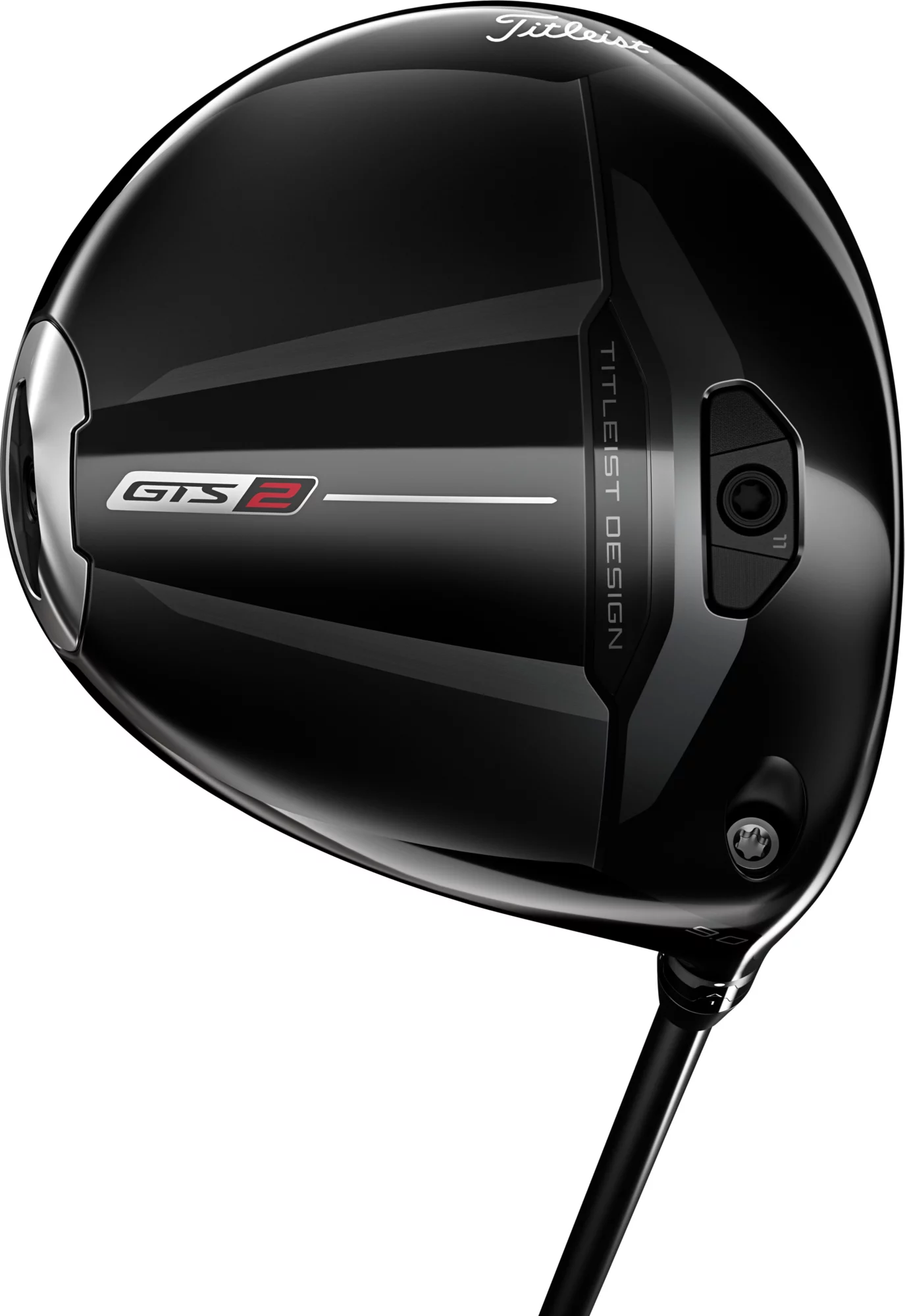
- +Your handicap is above 8 or your swing speed is under 100 mph
- +You miss the center of the face more than occasionally
- +You want the highest launch and carry in the GTS lineup
- +You play in windy conditions and want a more forgiving flight
- +You are upgrading from a max-forgiveness driver
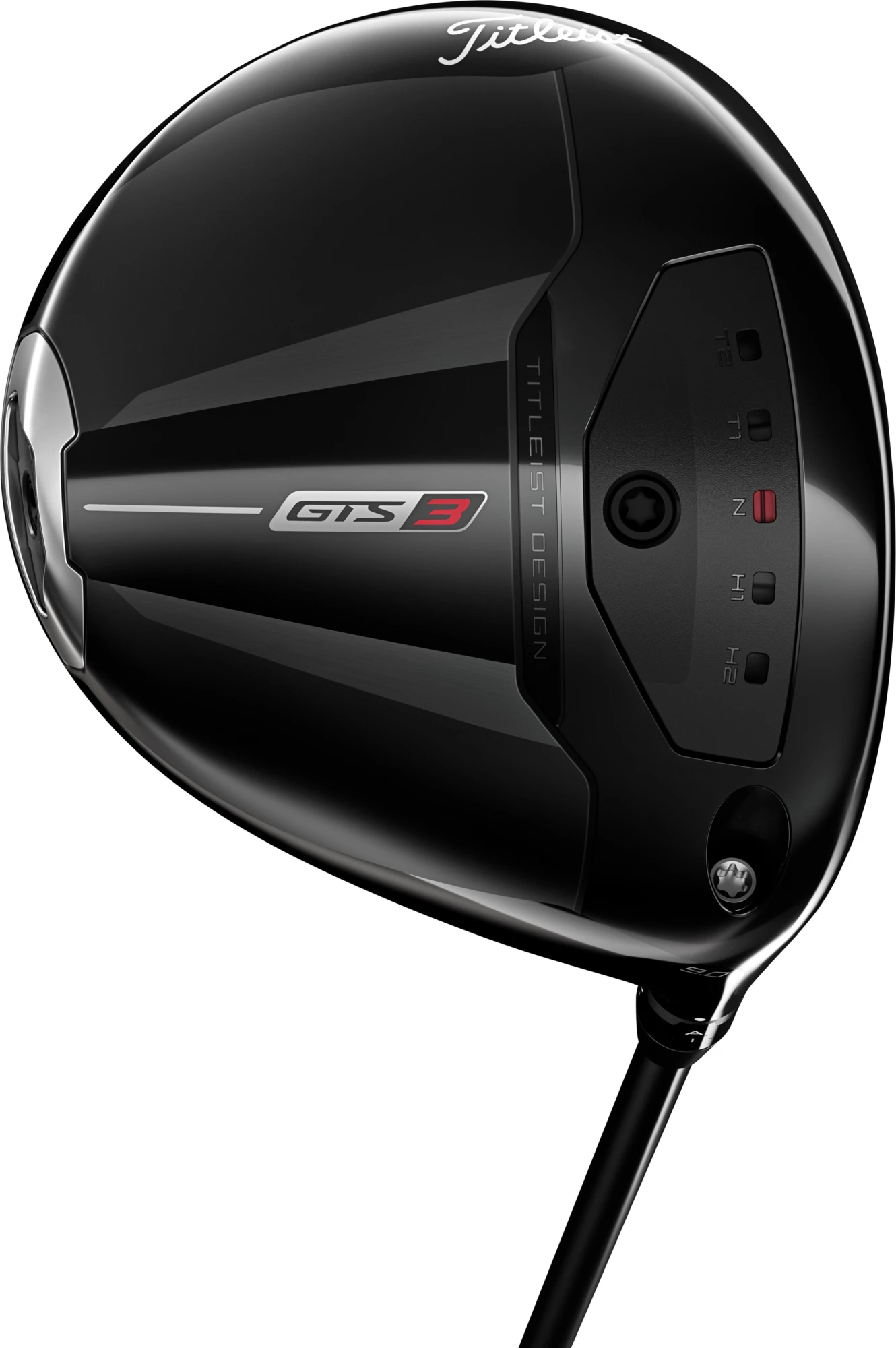
- +Your handicap is under 8 and swing speed is 100+ mph
- +You hit the center of the face consistently
- +You want to shape shots or fine-tune spin with the weight track
- +You play on firm courses where a lower, running ball flight adds distance
- +You are getting a professional fitting and want maximum adjustment range
Specs Comparison
| Spec | GTS2 | GTS3 |
|---|---|---|
| Generation | 2026 (current) | 2026 (current) |
| Head Size | 460cc | 445cc |
| Construction | Carbon crown + titanium body | Carbon crown + titanium body |
| Face Tech | Speed Sync | Speed Sync |
| Crown Material | Doubled PMP (more mass saved) | PMP + 5-position weight track |
| MOI | High (larger head) | Lower (compact head) |
| Launch | High | Mid |
| Spin | Mid | Low-Mid |
| Adjustability | SureFit hosel | SureFit hosel + 5-position weight track |
| Target Golfer | 80–105 mph, handicap 8–20 | 100+ mph, handicap 0–10 |
| Price | ~$699 new | ~$699 new |
Head to Head
Forgiveness
Edge: GTS2GTS2
The GTS2's 460cc head is the most forgiving in the GTS lineup. The doubled PMP material in the crown saves more weight than in any previous GT or GTS model, pushing CG lower and further back to maximize MOI. Off-center heel and toe strikes lose less ball speed and deflect less than with the GTS3. If you miss the center of the face regularly — even occasionally — the GTS2 is the right driver. The bigger head is also easier to align confidently at address.
GTS3
The GTS3's 445cc compact head sacrifices MOI for precision. The smaller head allows a lower, more rearward CG position that generates lower spin and a more penetrating mid-launch trajectory — but at the cost of forgiveness. Off-center hits with the GTS3 lose more ball speed than with the GTS2. This is a deliberate design trade-off: the GTS3 is built for golfers who hit the center consistently enough that they give back nothing to the GTS2 on their average strike.
Distance and Ball Speed
Edge: GTS3 at 100+ mph center; GTS2 off-center and below 100 mphGTS2
The GTS2's Speed Sync face and doubled PMP crown produce the highest ball speed Titleist has put into a 460cc driver. The high launch from the low CG adds carry for golfers in the 80–105 mph range, where launch angle has the most impact on carry distance. In testing against the GT2, the GTS2 adds approximately 3–5 yards of carry from both its face tech and the higher launch ceiling. For golfers who miss the center, the GTS2 also protects ball speed better than the GTS3.
GTS3
The GTS3's Speed Sync face and 5-position weight track allow precise low-spin optimization that the GTS2 cannot match. At 100+ mph, a well-struck GTS3 with the weight set for low spin produces more total distance from a lower, more penetrating trajectory that runs out on landing. The GTS3's advantage over the GTS2 is specific to center strikes at faster swing speeds — below 100 mph or with off-center contact, the GTS2 wins on distance.
Adjustability and Fitting
Edge: GTS3 (5-position weight track + SureFit hosel)GTS2
The GTS2 has Titleist's SureFit hosel, which allows +/- 1.5° of loft adjustment across 16 settings. This provides meaningful shot-shaping and trajectory-tuning capability for fitting. What it does not have is the GTS3's movable weight system — loft and face angle are the primary levers. For most golfers who want to set loft and leave it, the SureFit hosel is sufficient.
GTS3
The GTS3 adds a 5-position weight track to the SureFit hosel, giving fitters two independent levers: loft via the hosel and spin/shape via the weight. The weight can be positioned heel, toe, or neutral, each producing a meaningful change in shot shape and spin rate. This makes the GTS3 significantly more fittable for a skilled golfer who wants to dial in a specific window. The adjustment system is the primary reason low-handicappers choose the GTS3 over the GTS2 even when the ball speed difference is marginal.
Sound, Feel, and Who Each Driver Suits
Edge: GTS2 for wider range; GTS3 for feedback and precisionGTS2
The GTS2 produces a mid-high pitched, satisfying Titleist driver sound — not as sharp as the older TS/TSR drivers, but clearly premium and responsive. The larger head absorbs vibration slightly more than the GTS3's compact head. Off the face, the GTS2 feels like a driver that works with you — it rewards a wide range of strikes rather than only the best ones. It is the right choice for any golfer who has a handicap above 8, swings below 100 mph, or values forgiveness over shot-shaping control.
GTS3
The GTS3 has a crisper, more feedback-rich sound than the GTS2 — the compact head rings with slightly more presence at impact, giving low-handicap players the acoustic confirmation they want on well-struck shots. Off the face, the GTS3 feels precise and rewarding on pure strikes. It is the right choice for scratch to 8-handicap golfers above 100 mph who hit the center consistently and want to work the ball or optimize spin precisely.
The Honest Decision Framework
At the same price, the GTS2 vs GTS3 decision is entirely about your handicap, swing speed, and ball-striking consistency — not budget. Both are excellent drivers. The question is which one is excellent for you.
The single most common fitting mistake in premium driver selection is a golfer who wants the smaller, cooler-looking GTS3 when their swing speed and contact pattern call for the GTS2. The GTS3 will not fix an inconsistent strike — it will punish it. If you are not sure which one applies to you, ask for a Trackman session with both drivers. The launch monitor will tell you immediately.
If you are a sub-8 handicapper swinging above 100 mph and hit the center of the face regularly, the GTS3's weight track and low-spin profile give you tools the GTS2 cannot. If you are anyone else, the GTS2 will produce better on-course results even though it looks less technical.
Our Verdict
For the majority of golfers — handicap 8 and above, swing speed under 100 mph, or inconsistent contact — the GTS2 is the right driver. Higher launch, more forgiveness, and better protection on off-center hits all point in the same direction.
For the skilled golfer above 100 mph who hits the center consistently and wants to shape shots or nail a specific spin window, the GTS3 is exactly right. The 5-position weight track is one of the best fitting tools in a current-gen driver.
Frequently Asked Questions
What is the difference between the Titleist GTS2 and GTS3?
The GTS2 is a 460cc high-launch, high-forgiveness driver with doubled PMP crown material. The GTS3 is a 445cc compact driver with a 5-position weight track for low-spin and shot-shape adjustment. Same price, same face tech — but very different player profiles.
Is the GTS2 or GTS3 more forgiving?
The GTS2 is significantly more forgiving. Its 460cc head and higher MOI protect against off-center misses far better than the GTS3's 445cc compact head. If you miss the center of the face regularly, the GTS2 is the right choice.
What swing speed is the Titleist GTS3 for?
The GTS3 is designed for golfers with swing speeds of 100 mph or faster who hit the center of the face consistently. The 5-position weight track is most useful for golfers who can intentionally control ball flight. Below 100 mph, the GTS2's larger head and higher launch is more appropriate.
What is the GTS2 designed for?
The GTS2 is the high-launch, high-forgiveness option in the GTS lineup, suited to golfers in the 80–105 mph range with handicaps above 8. It replaces and improves on the GT2 with Speed Sync face tech, doubled PMP crown material, and more carry.
How does the Titleist GTS2 compare to the GT2?
The GTS2 adds Speed Sync face technology and doubled PMP material versus the GT2, producing more ball speed and higher carry. The GTS2 costs $699 versus the GT2's $649 launch price. The GT2 is now available used for around $400–450, making it a strong value alternative if the GTS2's price is a concern.